


Travelling internationally with epilepsy may require additional planning, especially for patients who experience seizures, need regular medication, or require assistance during long journeys. With appropriate medical advice and travel arrangements, some people with epilepsy can travel by air safely. However, the right approach depends on the individual’s seizure history, current health, treatment plan, and level of support needed.
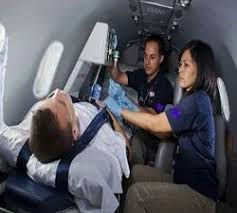
For patients travelling abroad for treatment, returning home after hospital care, or rejoining family in another country, an international medical escort may provide valuable assistance. A trained medical escort can help monitor the patient’s condition, support medication routines, and assist with mobility and general travel needs throughout the journey, depending on the agreed service and the patient’s medical requirements.
Understanding the Travel Needs of Patients with Epilepsy
Epilepsy affects people differently. Some patients have well-controlled seizures, while others may experience episodes that require additional supervision and medical planning. Before arranging an international journey, it is important to understand the patient’s usual seizure pattern, known triggers, prescribed medication, and any recent changes in their condition.
Long flights, disrupted sleep, stress, missed medication, and changes to daily routines may affect some people with epilepsy. A pre-travel consultation with the treating doctor can help determine whether the patient is fit to travel and identify precautions that may be necessary.
If seizures have recently increased, the patient has experienced prolonged seizures, or their condition is unstable, medical advice should be obtained before making travel arrangements.
How a Medical Escort Can Support Epilepsy Patients
Depending on the patient’s needs and the agreed level of care, a medical escort can provide practical and clinical support during different stages of the journey.
1. Monitoring and Observation
A medical escort can observe the patient’s general condition during the journey and respond according to their training and the agreed care plan. This can be particularly helpful for patients who have a history of seizures and need additional supervision while travelling.
2. Medication Routine Support
Taking prescribed antiseizure medication on schedule is important for many patients. An escort can help the patient follow the medication plan, including reminders and coordination around time-zone changes, where appropriate. Medication schedules should be reviewed with the treating doctor rather than adjusted independently.
3. Assistance During Airport Procedures
Busy airports, long queues, boarding procedures, and transfers between terminals can be tiring. A medical escort can assist with navigation, mobility, communication, and coordination with airline staff, depending on the service arranged.
4. Support During the Flight
During the flight, an escort can help the patient remain comfortable, observe for concerning symptoms, and follow the agreed response plan if a seizure occurs. The escort’s clinical capabilities depend on their qualifications and the level of service provided. An escort should not be assumed to replace the aircraft crew, emergency services, or a specialist air ambulance when advanced medical support is required.
Preparing for an International Flight with Epilepsy
Preparation is essential when arranging international travel for someone with epilepsy. Families and caregivers should coordinate with the treating doctor, airline, and medical escort provider before departure.
Consider the following steps:
Obtain medical clearance: Ask the treating doctor whether the patient is fit to fly and whether any additional precautions are required.
Review seizure management: Ensure the travel team understands the patient’s seizure history, usual symptoms, known triggers, and prescribed rescue plan, if one exists.
Carry medication in hand luggage: Keep medicines in their original packaging where possible, with prescriptions or supporting medical documentation.
Plan around time zones: Ask the treating doctor or pharmacist how to maintain the prescribed medication schedule when crossing time zones.
Prepare medical documents: Carry a medical summary, medication list, emergency contact details, and relevant prescriptions.
Check airline requirements: Confirm whether medical forms, advance notification, special assistance, or additional arrangements are needed.
Allow sufficient rest: Where possible, avoid unnecessarily rushed connections and plan for rest before departure.
Arrange assistance at both airports: Confirm wheelchair assistance or other support if the patient needs help with walking or transfers.
These steps can help reduce avoidable travel difficulties, but they cannot eliminate the possibility of a seizure or other medical emergency.
What Should Families Know About Seizure First Aid?
Family members and travel companions should understand the patient’s seizure action plan before departure. If a seizure occurs, the appropriate response depends on the type of seizure and the patient’s individual medical instructions.
General seizure first-aid principles include:
Stay calm and remain with the person.
Protect them from nearby hazards and cushion their head if they are on the ground.
Do not restrain their movements or place anything in their mouth.
If safe to do so, position them on their side once convulsive movements have stopped, and monitor their breathing.
Time the seizure and follow the patient’s prescribed emergency plan.
Seek emergency assistance for a seizure lasting five minutes or longer, repeated seizures without recovery, breathing difficulties, serious injury, or any other emergency specified in the patient’s care plan.
A rescue medicine should only be given by someone trained and authorised to administer it, following the patient’s prescribed instructions. A medical escort should receive relevant information about the patient’s seizure action plan before departure.
Choosing the Right Type of Medical Travel Support
Not every patient with epilepsy requires a medical escort. Someone whose seizures are well controlled and who can manage travel independently may only need standard airline assistance and advice from their treating doctor.
A medical escort may be worth considering when the patient needs supervision, assistance with medication routines, help navigating airports, support with mobility, or reassurance during a long international journey.
For patients whose condition is unstable or who require continuous advanced medical treatment, a standard commercial flight with an escort may not be appropriate. A specialist medical transport service or air ambulance may need to be considered following clinical assessment.
The appropriate option should be based on the patient’s medical condition, functional needs, fitness to fly, and the level of care required during transport.
How MedEscort International Can Help
MedEscort International assists patients and families with planning supported medical journeys. For a patient with epilepsy, the arrangements may include discussing travel needs, reviewing available medical information, coordinating practical journey support, and determining whether a medical escort service is suitable.
Every case should be assessed individually. Before confirming travel, families should share relevant information about the patient’s seizure history, recent episodes, medication requirements, mobility, and any instructions provided by the treating doctor.
If you are planning an international journey for a loved one with epilepsy, contact MedEscort International to discuss the patient’s needs and the available travel-support options.
Phone: +91 9774900430
Email: alan@medescortinternational.com
Website: medescortinternational.com
Frequently Asked Questions
1. Can a person with epilepsy travel internationally by plane?
Many people with well-controlled epilepsy can travel by air. However, fitness to fly depends on the individual’s condition, recent seizure activity, treatment, and other health factors. The treating doctor should provide advice before travel, particularly if seizures have recently changed or become more frequent.
2. Does every epilepsy patient need a medical escort?
No. The need for an escort depends on the patient’s independence, seizure control, medical requirements, and ability to manage the journey. Some patients can travel with ordinary assistance, while others may benefit from additional supervision.
3. Can a medical escort help with epilepsy medication?
A medical escort may assist with medication reminders and help the patient follow an agreed medication schedule, depending on the service provided. Any changes to medication timing or dosage should be discussed with the treating doctor or pharmacist.
4. What documents should an epilepsy patient carry when flying?
Useful documents may include a medical summary, current medication list, prescriptions, emergency contact details, and a seizure action plan. Additional documentation may be required by the airline or destination country, particularly for certain medicines.
5. What happens if a patient has a seizure during the flight?
The response depends on the seizure and the patient’s medical plan. A trained escort can provide support within their qualifications, follow the agreed seizure response plan, and alert the cabin crew when necessary. Emergency assistance should be sought when the seizure meets the patient’s emergency criteria or presents an immediate danger.
6. Is an air ambulance necessary for patients with epilepsy?
Not usually for epilepsy alone. Many patients can travel on commercial flights if they are medically fit to fly. An air ambulance may be considered when the patient has additional medical needs or requires a level of monitoring or treatment that cannot safely be provided on a commercial flight.
Final Thoughts
International travel with epilepsy requires careful planning, particularly when the patient has a history of significant seizures or needs help managing medication and daily activities. Medical advice, appropriate documentation, a clear seizure response plan, and suitable travel assistance can help families prepare for the journey.
A medical escort may provide additional support for patients who need supervision or practical assistance during long-distance travel. The most suitable arrangement should always reflect the patient’s individual medical needs and the treating doctor’s recommendations.
International Medical Escort for Patients with Epilepsy: Planning Safe and Supported Air Travel
Travelling internationally with epilepsy may require additional planning, especially for patients who experience seizures, need regular medication, or require assistance during long journeys. With appropriate medical advice and travel arrangements, some people with epilepsy can travel by air safely. However, the right approach depends on the individual’s seizure history, current health, treatment plan, and level of support needed.
For patients travelling abroad for treatment, returning home after hospital care, or rejoining family in another country, an international medical escort may provide valuable assistance. A trained medical escort can help monitor the patient’s condition, support medication routines, and assist with mobility and general travel needs throughout the journey, depending on the agreed service and the patient’s medical requirements.
Understanding the Travel Needs of Patients with Epilepsy
Epilepsy affects people differently. Some patients have well-controlled seizures, while others may experience episodes that require additional supervision and medical planning. Before arranging an international journey, it is important to understand the patient’s usual seizure pattern, known triggers, prescribed medication, and any recent changes in their condition.
Long flights, disrupted sleep, stress, missed medication, and changes to daily routines may affect some people with epilepsy. A pre-travel consultation with the treating doctor can help determine whether the patient is fit to travel and identify precautions that may be necessary.
If seizures have recently increased, the patient has experienced prolonged seizures, or their condition is unstable, medical advice should be obtained before making travel arrangements.
How a Medical Escort Can Support Epilepsy Patients
Depending on the patient’s needs and the agreed level of care, a medical escort can provide practical and clinical support during different stages of the journey.
1. Monitoring and Observation
A medical escort can observe the patient’s general condition during the journey and respond according to their training and the agreed care plan. This can be particularly helpful for patients who have a history of seizures and need additional supervision while travelling.
2. Medication Routine Support
Taking prescribed antiseizure medication on schedule is important for many patients. An escort can help the patient follow the medication plan, including reminders and coordination around time-zone changes, where appropriate. Medication schedules should be reviewed with the treating doctor rather than adjusted independently.
3. Assistance During Airport Procedures
Busy airports, long queues, boarding procedures, and transfers between terminals can be tiring. A medical escort can assist with navigation, mobility, communication, and coordination with airline staff, depending on the service arranged.
4. Support During the Flight
During the flight, an escort can help the patient remain comfortable, observe for concerning symptoms, and follow the agreed response plan if a seizure occurs. The escort’s clinical capabilities depend on their qualifications and the level of service provided. An escort should not be assumed to replace the aircraft crew, emergency services, or a specialist air ambulance when advanced medical support is required.
Preparing for an International Flight with Epilepsy
Preparation is essential when arranging international travel for someone with epilepsy. Families and caregivers should coordinate with the treating doctor, airline, and medical escort provider before departure.
Consider the following steps:
Obtain medical clearance: Ask the treating doctor whether the patient is fit to fly and whether any additional precautions are required.
Review seizure management: Ensure the travel team understands the patient’s seizure history, usual symptoms, known triggers, and prescribed rescue plan, if one exists.
Carry medication in hand luggage: Keep medicines in their original packaging where possible, with prescriptions or supporting medical documentation.
Plan around time zones: Ask the treating doctor or pharmacist how to maintain the prescribed medication schedule when crossing time zones.
Prepare medical documents: Carry a medical summary, medication list, emergency contact details, and relevant prescriptions.
Check airline requirements: Confirm whether medical forms, advance notification, special assistance, or additional arrangements are needed.
Allow sufficient rest: Where possible, avoid unnecessarily rushed connections and plan for rest before departure.
Arrange assistance at both airports: Confirm wheelchair assistance or other support if the patient needs help with walking or transfers.
These steps can help reduce avoidable travel difficulties, but they cannot eliminate the possibility of a seizure or other medical emergency.
What Should Families Know About Seizure First Aid?
Family members and travel companions should understand the patient’s seizure action plan before departure. If a seizure occurs, the appropriate response depends on the type of seizure and the patient’s individual medical instructions.
General seizure first-aid principles include:
Stay calm and remain with the person.
Protect them from nearby hazards and cushion their head if they are on the ground.
Do not restrain their movements or place anything in their mouth.
If safe to do so, position them on their side once convulsive movements have stopped, and monitor their breathing.
Time the seizure and follow the patient’s prescribed emergency plan.
Seek emergency assistance for a seizure lasting five minutes or longer, repeated seizures without recovery, breathing difficulties, serious injury, or any other emergency specified in the patient’s care plan.
A rescue medicine should only be given by someone trained and authorised to administer it, following the patient’s prescribed instructions. A medical escort should receive relevant information about the patient’s seizure action plan before departure.
Choosing the Right Type of Medical Travel Support
Not every patient with epilepsy requires a medical escort. Someone whose seizures are well controlled and who can manage travel independently may only need standard airline assistance and advice from their treating doctor.
A medical escort may be worth considering when the patient needs supervision, assistance with medication routines, help navigating airports, support with mobility, or reassurance during a long international journey.
For patients whose condition is unstable or who require continuous advanced medical treatment, a standard commercial flight with an escort may not be appropriate. A specialist medical transport service or air ambulance may need to be considered following clinical assessment.
The appropriate option should be based on the patient’s medical condition, functional needs, fitness to fly, and the level of care required during transport.
How MedEscort International Can Help
MedEscort International assists patients and families with planning supported medical journeys. For a patient with epilepsy, the arrangements may include discussing travel needs, reviewing available medical information, coordinating practical journey support, and determining whether a medical escort service is suitable.
Every case should be assessed individually. Before confirming travel, families should share relevant information about the patient’s seizure history, recent episodes, medication requirements, mobility, and any instructions provided by the treating doctor.
If you are planning an international journey for a loved one with epilepsy, contact MedEscort International to discuss the patient’s needs and the available travel-support options.
Phone: +91 9774900430
Email: alan@medescortinternational.com
Website: medescortinternational.com
Frequently Asked Questions
1. Can a person with epilepsy travel internationally by plane?
Many people with well-controlled epilepsy can travel by air. However, fitness to fly depends on the individual’s condition, recent seizure activity, treatment, and other health factors. The treating doctor should provide advice before travel, particularly if seizures have recently changed or become more frequent.
2. Does every epilepsy patient need a medical escort?
No. The need for an escort depends on the patient’s independence, seizure control, medical requirements, and ability to manage the journey. Some patients can travel with ordinary assistance, while others may benefit from additional supervision.
3. Can a medical escort help with epilepsy medication?
A medical escort may assist with medication reminders and help the patient follow an agreed medication schedule, depending on the service provided. Any changes to medication timing or dosage should be discussed with the treating doctor or pharmacist.
4. What documents should an epilepsy patient carry when flying?
Useful documents may include a medical summary, current medication list, prescriptions, emergency contact details, and a seizure action plan. Additional documentation may be required by the airline or destination country, particularly for certain medicines.
5. What happens if a patient has a seizure during the flight?
The response depends on the seizure and the patient’s medical plan. A trained escort can provide support within their qualifications, follow the agreed seizure response plan, and alert the cabin crew when necessary. Emergency assistance should be sought when the seizure meets the patient’s emergency criteria or presents an immediate danger.
6. Is an air ambulance necessary for patients with epilepsy?
Not usually for epilepsy alone. Many patients can travel on commercial flights if they are medically fit to fly. An air ambulance may be considered when the patient has additional medical needs or requires a level of monitoring or treatment that cannot safely be provided on a commercial flight.
Final Thoughts
International travel with epilepsy requires careful planning, particularly when the patient has a history of significant seizures or needs help managing medication and daily activities. Medical advice, appropriate documentation, a clear seizure response plan, and suitable travel assistance can help families prepare for the journey.
A medical escort may provide additional support for patients who need supervision or practical assistance during long-distance travel. The most suitable arrangement should always reflect the patient’s individual medical needs and the treating doctor’s recommendations.
Medical disclaimer: This article provides general information and is not a substitute for professional medical advice, diagnosis, or treatment. Travel fitness and the appropriate level of medical support should be assessed by the patient’s treating healthcare professional.