


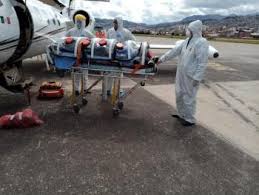
Travelling internationally after a stroke can be challenging, particularly for patients who experience reduced mobility, speech difficulties, weakness, balance problems, or changes in memory and concentration. Although some patients may be able to fly after recovering from a stroke, others require medical assessment, additional assistance, and careful journey planning.
For families arranging travel after hospital treatment abroad, returning a loved one to their home country can involve more than booking a flight. They may need to coordinate medical documentation, airline requirements, mobility assistance, medication schedules, and support during airport transfers. An international medical escort may help manage these practical and care-related needs, depending on the patient’s condition and the level of assistance required.
Understanding Travel Needs After a Stroke
A stroke occurs when the blood supply to part of the brain is interrupted or when bleeding occurs in the brain. Its effects vary considerably from one person to another. Some patients recover much of their independence, while others need ongoing assistance with daily activities and mobility.
Before planning an international journey, the patient’s treating medical team should assess whether flying is appropriate. The timing of travel depends on factors such as the type of stroke, the patient’s stability, recovery progress, and any complications.
Patients may need additional support if they experience:
Weakness or paralysis affecting one side of the body.
Difficulty walking, standing, or transferring between seats and wheelchairs.
Speech or communication difficulties.
Swallowing difficulties or special dietary requirements.
Memory problems, confusion, or reduced awareness of surroundings.
Medication requirements or ongoing rehabilitation needs.
Understanding these challenges helps families determine what assistance may be required throughout the journey.
How a Medical Escort Can Support Stroke Patients
A medical escort can provide additional assistance during an international journey when the patient’s condition and travel arrangements make this appropriate.
1. Mobility and Transfer Assistance
Some stroke patients need help moving between a wheelchair, airport seating, and other approved transfer arrangements. A medical escort can assist within their training and the agreed care plan. Families should confirm in advance whether additional personnel or specialised transfer equipment will be necessary.
2. Monitoring the Patient’s General Condition
Depending on the escort’s clinical qualifications and the service arranged, they may observe the patient’s condition during the journey and respond to changes within their scope of practice. This can provide additional support for patients who need supervision while travelling.
3. Assistance With Communication
Patients recovering from a stroke may have difficulty speaking or understanding language. A medical escort can help communicate the patient’s needs to airline staff and other travel personnel, using suitable communication methods where necessary.
4. Medication and Routine Support
Maintaining the prescribed medication routine is important during travel. An escort may help with reminders, documentation, and coordination around the travel schedule. Any medication changes must be directed by the treating healthcare professional.
5. Coordination During Airport Transfers
International travel can involve long distances between check-in areas, security screening, boarding gates, and connecting flights. A medical escort can help coordinate assistance and reduce the burden on family members, subject to airline policies and the patient’s mobility requirements.
Preparing for International Air Travel After a Stroke
Planning ahead can make the journey more manageable. Families should coordinate with the treating doctor, airline, and medical escort provider before confirming travel.
Consider these essential preparations:
Obtain medical advice: Ask the treating doctor whether the patient is fit to fly and whether any travel restrictions apply.
Confirm airline requirements: Airlines may require medical clearance, forms, advance notice, or specific arrangements for passengers who need assistance.
Prepare medical records: Carry a medical summary, current medication list, relevant prescriptions, and emergency contact details.
Arrange mobility assistance: Request wheelchair assistance and discuss transfers, seating needs, and boarding arrangements in advance.
Review medication schedules: Ask the treating doctor or pharmacist how to maintain medication routines during the journey and across time zones.
Plan food and fluids: Follow the patient’s prescribed dietary and fluid requirements, particularly if swallowing difficulties or other medical restrictions are present.
Consider connecting flights: Whenever possible, allow enough time for transfers and avoid unnecessarily rushed itineraries.
Plan arrival arrangements: Confirm who will meet the patient and whether suitable transport and any required mobility equipment will be available at the destination.
These preparations should be tailored to the patient’s medical condition rather than based on a standard travel checklist alone.
Is a Commercial Flight Suitable for Every Stroke Patient?
No. A commercial flight with a medical escort is not appropriate for every patient recovering from a stroke. Some patients may be stable enough to travel with additional assistance, while others require a higher level of medical support.
A treating doctor should evaluate the patient’s fitness to fly, including any ongoing neurological symptoms, complications, oxygen requirements, and ability to tolerate the journey.
If a patient requires continuous advanced medical treatment, specialised monitoring, or medical equipment that cannot be accommodated safely on a commercial flight, specialist medical transport or an air ambulance may be more appropriate.
The decision should be based on an individual clinical assessment and the transport options available. Families should not assume that an escort alone makes an otherwise medically unsuitable flight safe.
Supporting the Patient Emotionally During Travel
Recovering from a stroke can be physically and emotionally demanding. A long international journey may create anxiety, especially for patients who are unfamiliar with airports or have difficulty communicating their needs.
Families can help by explaining the travel plan in simple terms, keeping familiar items accessible, and allowing sufficient time for rest. If the patient has communication difficulties, useful information about their preferred communication method should be shared with the medical escort in advance.
Where possible, a calm environment, clear instructions, and a well-organised itinerary can help the patient feel more supported. The patient’s comfort, dignity, and preferences should remain central to every travel decision.
How MedEscort International Can Help
MedEscort International supports patients and families who need assistance planning medical journeys across international borders. For a stroke patient, the arrangements may include discussing mobility and care needs, reviewing available medical information, coordinating travel support, and determining whether a medical escort service is suitable.
Each case requires individual consideration. Families should provide accurate information about the patient’s condition, mobility, communication needs, medication, and treating doctor’s recommendations when discussing travel arrangements.
If you are planning to bring a loved one home after stroke treatment abroad, contact MedEscort International to discuss the available support options.
Phone: +91 9774900430
Email: alan@medescortinternational.com
Website: medescortinternational.com
Frequently Asked Questions
1. Can a stroke patient travel internationally by plane?
Some stroke patients can travel by air once their condition is stable and their treating doctor considers the journey appropriate. The timing depends on the type and severity of the stroke, recovery progress, complications, and individual medical needs.
2. Does a stroke patient need a medical escort?
Not every patient needs one. Patients who require assistance with mobility, communication, medication routines, or supervision during a long journey may benefit from a medical escort. The appropriate level of support depends on an individual assessment.
3. Can a medical escort help a patient who cannot walk?
A medical escort may assist with travel coordination and mobility support within their training and the agreed service. Patients who need complex lifting, specialised transfers, or additional personnel may require extra arrangements. These needs should be confirmed before departure.
4. What documents are needed for a stroke patient travelling by air?
Depending on the patient’s circumstances and airline requirements, useful documents may include a medical summary, medication list, prescriptions, fitness-to-fly documentation, and emergency contact information. Some airlines may require additional medical forms or advance notification.
5. Is an air ambulance necessary after a stroke?
Not always. Some stable patients can travel on commercial flights with appropriate assistance. An air ambulance may be considered when the patient requires medical care or monitoring that cannot be safely provided during a standard commercial flight.
6. How can families prepare for the patient’s arrival?
Families should arrange suitable ground transportation, mobility equipment if required, and a safe destination environment. They should also coordinate follow-up medical care and rehabilitation appointments where appropriate.
Final Thoughts
International travel after a stroke requires careful planning, medical guidance, and an understanding of the patient’s individual abilities and limitations. Mobility assistance, communication support, medication planning, and appropriate transport arrangements can all contribute to a more organised journey.
A medical escort may help patients who need additional support while returning home or travelling for further care. However, the first priority is to establish whether the patient is medically fit to fly and determine the appropriate level of assistance.
Medical disclaimer: This article provides general information and is not a substitute for professional medical advice, diagnosis, or treatment. A qualified healthcare professional should assess the patient’s fitness to travel and recommend the appropriate transport arrangements.