


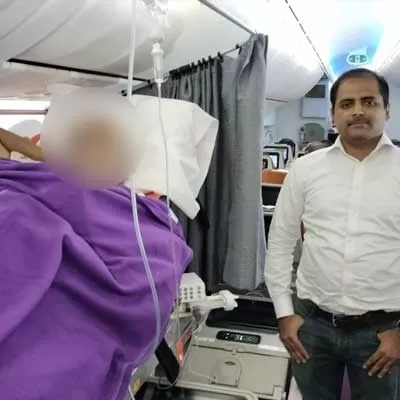
Severe anaemia can make long-distance international travel more challenging, particularly for patients who experience fatigue, weakness, dizziness, or shortness of breath. When travelling by air, patients may need additional preparation because aircraft cabins have lower air pressure than at sea level, which can affect oxygen availability. The level of risk depends on the severity and cause of the anaemia, the patient’s symptoms, and any underlying medical conditions.
For patients who are medically stable but need assistance during a long journey, an international medical escort may provide practical support and help coordinate travel arrangements. However, medical assessment must come first, as some patients may need treatment or further evaluation before flying.
Understanding Severe Anaemia and Its Impact on Air Travel
Anaemia occurs when the body does not have enough healthy red blood cells or haemoglobin to carry oxygen effectively to its tissues. It may result from iron deficiency, vitamin deficiencies, chronic diseases, inherited conditions, or blood loss.
When anaemia is severe, the body’s ability to deliver oxygen may already be reduced. The changes in oxygen availability associated with air travel can create additional concerns for some patients.
Common symptoms that may affect travel include:
Persistent fatigue: Patients may struggle with long airport walks, queues, and extended travel times.
Dizziness or light-headedness: Standing for long periods or moving between terminals may become difficult.
Shortness of breath: Some patients may experience breathing discomfort during physical activity.
Rapid heartbeat: The heart may work harder to compensate for reduced oxygen-carrying capacity.
Reduced physical endurance: Sitting upright for long periods and managing transfers may require additional assistance.
The severity of these symptoms varies. A healthcare professional must determine whether the patient is fit to fly and whether additional precautions are required.
Why Medical Escort Support May Be Beneficial
Patients with severe anaemia may need assistance navigating airports, managing mobility limitations, or coordinating a journey involving multiple flights. A medical escort may be appropriate when the patient is medically stable but cannot comfortably manage the journey alone.
Depending on the agreed service and the escort’s professional scope, support may include:
Assisting with airport navigation and boarding arrangements.
Helping the patient move between terminals and connecting flights.
Supporting prescribed medication routines.
Observing the patient’s general condition during the journey.
Communicating with family members and coordinating planned assistance.
Helping organise access to appropriate support if the patient’s condition changes.
A medical escort does not replace medical treatment or make an unsafe flight appropriate. Patients who require continuous specialist intervention may need a different form of medical transport.
Preparing for International Travel with Severe Anaemia
Preparation should begin well before the departure date. Families should work with the treating clinician and medical escort provider to establish whether the proposed journey is appropriate.
1. Obtain a Medical Assessment
The treating clinician should evaluate the severity and cause of the anaemia, current symptoms, underlying conditions, and response to treatment.
Depending on the individual case, the clinician may recommend blood tests, additional investigations, or treatment before travel. There is no single haemoglobin threshold that independently determines fitness to fly for every patient.
2. Address the Underlying Cause
Anaemia may require treatment such as iron replacement, vitamin supplementation, management of an underlying disease, or other interventions selected by the treating clinician.
Patients should not begin supplements, change medication doses, or arrange blood transfusions solely to prepare for a flight without medical advice. The timing and type of treatment depend on the diagnosis and clinical circumstances.
3. Prepare Medical Documents and Medication
Keep relevant documents accessible throughout the journey. These may include:
A recent medical summary.
Current blood test results, if recommended by the treating clinician.
A list of prescribed medications and allergies.
Relevant prescriptions and treatment records.
Emergency contact details.
Medical fitness-to-fly documentation, if requested by the airline or clinician.
Essential medication should generally be carried in hand luggage, subject to airline and airport security requirements.
4. Arrange Airport and Mobility Assistance
Patients experiencing weakness or dizziness may benefit from wheelchair assistance or other airport services. Request these services in advance and explain any mobility limitations when making the arrangements.
Allow sufficient time for check-in, security screening, boarding, and connecting flights. A rushed itinerary can add unnecessary physical strain.
5. Review Oxygen and In-Flight Requirements
Some patients may need additional assessment of their oxygen requirements before flying. The treating clinician should determine whether further evaluation or supplemental oxygen is necessary.
If oxygen is prescribed, confirm the airline’s policies, approved equipment, documentation requirements, and advance-notification procedures. Do not assume that oxygen can be arranged at the airport without prior approval.
When Should a Patient Delay Air Travel?
Severe anaemia should be assessed carefully before a long-distance flight. Travel may need to be postponed if the patient has significant symptoms, unstable vital signs, active bleeding, or another condition requiring urgent treatment.
Seek prompt medical advice if the patient experiences worsening breathlessness, fainting, chest discomfort, a rapid or irregular heartbeat, or marked weakness.
Severe breathing difficulty, chest pain, fainting, or active significant bleeding requires urgent medical assessment. Do not proceed with travel arrangements until the treating medical team has evaluated the situation.
A medical escort provider can help coordinate travel logistics, but the decision about fitness to fly must be made by an appropriately qualified healthcare professional.
What Families Should Consider Before Booking
Before confirming an international journey, families should discuss these questions with the treating clinician and escort provider:
Is the patient’s anaemia sufficiently stable for air travel?
Has the underlying cause been identified and addressed?
Are further tests or treatment required before departure?
Can the patient sit comfortably and manage the expected journey duration?
Is wheelchair assistance or other mobility support necessary?
Does the patient need an oxygen assessment or specific in-flight arrangements?
Is a commercial flight with a medical escort appropriate, or is a higher level of medical transport required?
Discussing these points early can help families make informed decisions and avoid unsuitable travel arrangements.
How MedEscort International Can Help
MedEscort International assists patients and families who require support with international medical travel. For patients with anaemia who have been assessed as suitable for commercial air travel, a medical escort may help coordinate the journey and provide assistance according to the agreed service.
Support may include:
Discussing the patient’s travel requirements with the family.
Coordinating assistance for airport transfers and boarding.
Helping families prepare relevant medical documentation.
Supporting the travel plan in accordance with the escort’s professional scope.
Coordinating practical arrangements with family members and the receiving party.
Each case requires individual consideration. The suitability of the service depends on the patient’s medical condition, the level of care needed, the airline’s requirements, and the proposed itinerary.
Contact MedEscort International
Phone: +91 9774900430
Website: medescortinternational.com
Contact the team to discuss the patient’s needs and explore suitable international travel arrangements.
Frequently Asked Questions
1. Can a patient with severe anaemia travel internationally by plane?
Some patients may be able to fly after appropriate assessment and treatment. However, severe anaemia can increase the risks associated with reduced oxygen availability, so the treating clinician must determine whether flying is appropriate.
2. Does every patient with anaemia need a medical escort?
No. The need for an escort depends on the patient’s symptoms, mobility, independence, medical stability, and journey requirements. Some patients can travel independently, while others benefit from additional support.
3. Can a medical escort provide treatment for anaemia during a flight?
A medical escort’s role depends on their professional qualifications and the agreed service. An escort cannot replace the treatment needed to correct anaemia. Patients should complete any necessary assessment and treatment before travelling when advised by their clinician.
4. Should a patient receive a blood transfusion before flying?
Not every patient with anaemia requires a transfusion. This decision depends on the cause and severity of the anaemia, symptoms, underlying conditions, and clinical assessment. Only the treating medical team should recommend and arrange a transfusion.
5. Can a patient with anaemia travel alone on a long-haul flight?
Some patients can travel independently, but those with significant fatigue, dizziness, reduced mobility, or other complications may require assistance. The decision should consider both medical fitness and the practical demands of the journey.
6. How early should families plan an international medical escort?
It is advisable to begin planning as early as possible, allowing time for medical assessment, airline requirements, documentation, and assistance arrangements. The necessary lead time depends on the patient’s condition and the route.
Final Thoughts
International air travel with severe anaemia requires careful assessment and realistic planning. Understanding the cause of the condition, addressing treatment needs, preparing medical documents, and arranging suitable airport assistance can help families plan more effectively.
For medically stable patients who need additional help, an international medical escort may provide practical support throughout the journey. The most important step is to confirm fitness to fly with the treating clinician and select a travel arrangement that matches the patient’s medical needs.
Medical disclaimer: This article is intended for general informational purposes only and does not replace professional medical advice, diagnosis, or treatment. Patients with severe anaemia should consult their treating healthcare professional before making international travel arrangements.