


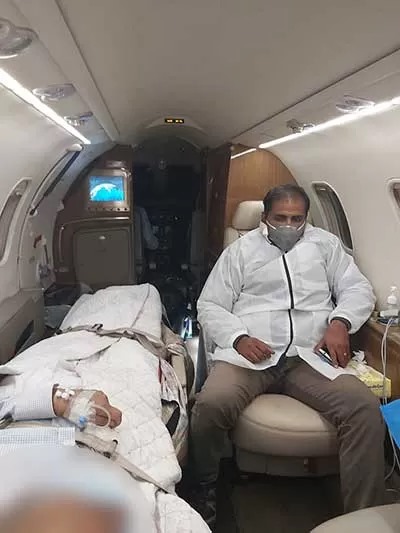
Recovering from a severe burn injury can involve a long and demanding medical journey. Patients may require specialised wound care, surgical procedures, rehabilitation, and ongoing monitoring. When treatment takes place far from home, families may eventually need to arrange international travel for continued care or medical repatriation.
Travelling with significant burn injuries requires careful preparation. Wounds, pain, infection risks, mobility limitations, and ongoing treatment needs can make long-distance journeys challenging. An international medical escort may provide practical support for suitable patients who have been medically cleared to travel.
The priority should always be the patient’s medical stability and the availability of appropriate care throughout the journey.
Understanding Severe Burns and Their Impact on Travel
Burn injuries can result from heat, chemicals, electricity, radiation, or other sources. Their severity depends on factors such as the depth of the injury, the affected body area, and the extent of tissue damage.
Patients with severe burns may experience:
Open wounds or healing skin grafts
Significant pain and discomfort
Increased risk of wound infection
Fluid loss and dehydration concerns
Limited movement due to injury or surgical treatment
Temperature regulation difficulties
Emotional distress during recovery
Some patients require repeated dressing changes, specialised wound management, or additional reconstructive procedures.
Long-distance travel may create difficulties if wounds are not adequately protected or the patient needs medical interventions that cannot be provided during an ordinary commercial flight.
Why Medical Escort Support May Be Beneficial
Patients recovering from burns may need assistance with mobility, comfort, medication routines, and travel coordination.
For patients who are medically stable and approved for commercial air travel, a medical escort may provide agreed assistance such as:
Supporting airport check-in, boarding, and transfers.
Helping the patient move safely through the airport.
Assisting with prescribed medication schedules within the agreed professional scope.
Helping maintain access to wound-care supplies and medical documents.
Providing general support during the journey.
Communicating relevant travel needs to family members and appropriate personnel.
The level of assistance depends on the patient’s condition, the escort’s qualifications, and the agreed care plan.
A medical escort does not replace a burn specialist, wound-care team, hospital-level treatment, or an air ambulance when advanced medical support is required.
7 Essential Considerations Before Flying with Severe Burns
1. Obtain Medical Clearance from the Treating Burn Specialist
Before arranging an international flight, consult the patient’s burn surgeon or treating medical team.
The assessment should consider:
Whether the wounds are stable.
Whether recent surgical sites have healed sufficiently for travel.
Whether there are signs of infection.
Whether the patient requires ongoing hospital treatment.
Whether pain and medication needs can be managed during the journey.
Whether the patient can tolerate the planned flight duration.
Patients should not travel simply because they have been discharged from hospital. Discharge and fitness to fly are separate decisions.
2. Assess Wound Condition and Dressing Requirements
Burn wounds may require specialised dressings and regular clinical review.
Before travel, the treating team should provide clear instructions about wound protection and dressing management. Families should understand whether dressings need to be changed during the journey and whether the necessary supplies can be carried.
Airline policies regarding medical supplies should also be checked in advance.
Any wound-care procedure during travel should only be undertaken by an appropriately qualified professional within their scope of practice.
3. Review Infection Risks
Burn injuries can leave patients vulnerable to wound infections, particularly when the skin barrier is damaged.
Before travel, the medical team should assess the patient’s wounds and overall condition.
Travel may need to be postponed if the patient has fever, worsening wound redness, increasing swelling, unusual discharge, or other signs of infection until they have received appropriate medical assessment.
Families should not attempt to conceal symptoms to proceed with a flight.
4. Prepare a Pain Management Plan
Burn injuries can cause significant pain, especially during movement, dressing changes, and prolonged sitting.
The treating doctor should provide a medication plan for the journey.
Before departure:
Carry prescribed medicines in their original packaging where practical.
Keep essential medication in accessible hand luggage.
Carry prescriptions and a current medication list.
Confirm that sufficient medication is available for delays.
Follow the prescribed timing and dosage.
Medication should never be changed or increased without medical advice.
5. Plan Seating and Mobility Assistance
Patients with burns affecting the legs, back, arms, or other areas may find ordinary aircraft seating uncomfortable.
Discuss suitable seating arrangements with the treating team and airline. Additional space, wheelchair assistance, or support with transfers may be necessary.
The patient should avoid pressure or movement that could damage healing wounds or graft sites. Specific positioning recommendations should come from the treating medical team.
6. Carry Medical Documents and Wound-Care Supplies
A well-organised travel folder can help the family and accompanying professionals manage the journey.
Consider carrying:
Hospital discharge summary
Burn injury assessment and treatment records
Surgical and skin graft reports, if applicable
Current medication list
Wound-care instructions
Relevant investigation reports
Treating specialist’s travel clearance
Emergency contact details
Airline medical approval documents, if required
Check airline rules before carrying medical supplies, dressings, or other equipment.
7. Choose the Appropriate Level of Medical Travel Support
Not every patient with a burn injury requires the same level of assistance.
Some medically stable patients may need help with mobility, medication routines, and travel coordination. Others may require specialist wound care or continuous clinical intervention.
Discuss the patient’s needs with the treating team before choosing a transport arrangement. If the patient needs hospital-level care or advanced monitoring, a standard medical escort on a commercial flight may not be suitable.
Managing Comfort During a Long-Distance Flight
Even after medical clearance, a long flight may be uncomfortable for someone recovering from severe burns.
Depending on the treating specialist’s instructions, useful arrangements may include:
Choosing seating that accommodates the patient’s positioning needs.
Avoiding pressure on healing wounds and graft sites.
Keeping prescribed medication within reach.
Carrying approved wound-care supplies.
Arranging assistance for airport transfers.
Following medical advice about movement and positioning.
Keeping the accompanying escort informed about the patient’s care instructions.
The patient should not change dressings, apply unfamiliar products, or alter wound-care routines without appropriate clinical guidance.
What Families Should Consider Before Booking
Families arranging international travel after a severe burn injury should carefully review the patient’s recovery and ongoing care requirements.
Before confirming a flight, consider:
Has the treating burn specialist approved travel?
Are the wounds sufficiently stable for the journey?
Is there any active infection?
Will the patient need dressing changes during travel?
Are pain management arrangements documented?
Does the patient need wheelchair or seating assistance?
Are medical supplies permitted by the airline?
Is the destination ready to continue the patient’s treatment?
Planning these details early can help avoid unnecessary complications.
When Should Travel Be Postponed?
Travel should be reconsidered if the patient develops fever, worsening wound pain, increasing redness or swelling, unusual wound discharge, uncontrolled pain, or any sudden deterioration.
These symptoms require medical assessment before travel.
Patients who need urgent surgery, intensive treatment, or continuous advanced monitoring may require a different transport arrangement. The treating medical team should determine whether commercial air travel is appropriate.
How MedEscort International Can Help
MedEscort International provides medical escort assistance for patients who require support during planned journeys, including international travel and medical repatriation.
For patients recovering from severe burns who have been assessed as suitable for commercial air travel, an escort service may help coordinate practical travel arrangements and provide agreed support during the journey.
Assistance can be discussed according to the patient’s mobility, medical documentation, medication routines, wound-care requirements, and travel route.
Each journey requires an individual assessment. Medical escort assistance does not replace specialist burn treatment, hospital-level wound care, or air ambulance services when these are medically necessary.
Contact MedEscort International
If your family is arranging international travel for someone recovering from a severe burn injury, contact MedEscort International to discuss the journey and the assistance that may be appropriate.
Phone: +91 9774900430
Email: alan@medescortinternational.com
Website: medescortinternational.com
Frequently Asked Questions
1. Can a patient with severe burns travel by aeroplane?
Some patients may be able to fly once their condition is stable and their treating specialist has confirmed that travel is appropriate. Open wounds, infection, pain, and ongoing treatment requirements must be assessed before booking.
2. Can a medical escort help with wound care during a flight?
This depends on the escort’s qualifications, professional scope, and the agreed service. Any wound-care procedure must be planned with the treating medical team.
3. What medical documents should burn patients carry?
Patients should carry their hospital discharge summary, surgical reports, medication list, wound-care instructions, medical clearance, and relevant airline approval documents.
4. How can patients manage pain during international travel?
Patients should follow a pain management plan provided by their treating doctor. Prescribed medication should be carried in accessible hand luggage and taken according to medical instructions.
5. Can patients travel with wound-care supplies?
Many medical supplies may be carried subject to airline and airport security requirements. Families should check the airline’s policies before departure and carry supporting medical documentation where necessary.
6. Is a medical escort suitable for patients with skin grafts?
A medical escort may be suitable for some patients with healing skin grafts, provided they are medically stable and cleared to fly. Positioning, wound protection, and care requirements should be reviewed beforehand.
7. Can MedEscort International assist with medical repatriation after burn treatment?
MedEscort International can discuss medical escort assistance for suitable commercial air travel and planned repatriation journeys. The patient’s stability, wound-care needs, medical requirements, route, and airline approval must be assessed before arrangements are confirmed.
Final Thoughts
International travel after a severe burn injury requires more than ordinary travel arrangements. Wound stability, infection prevention, pain management, mobility, and access to appropriate care all need careful consideration.
For patients who are medically fit to fly but require additional assistance, an international medical escort may help make the journey more organised and manageable. Families should work closely with the treating medical team to select a travel arrangement that meets the patient’s individual needs.
Medical Disclaimer
This article is intended for general informational purposes only and does not constitute medical advice. Burn injuries vary significantly in severity and recovery requirements. Patients should consult their treating burn specialist before flying. Medical fitness to travel, wound-care arrangements, and the appropriate level of medical support must be assessed individually.