


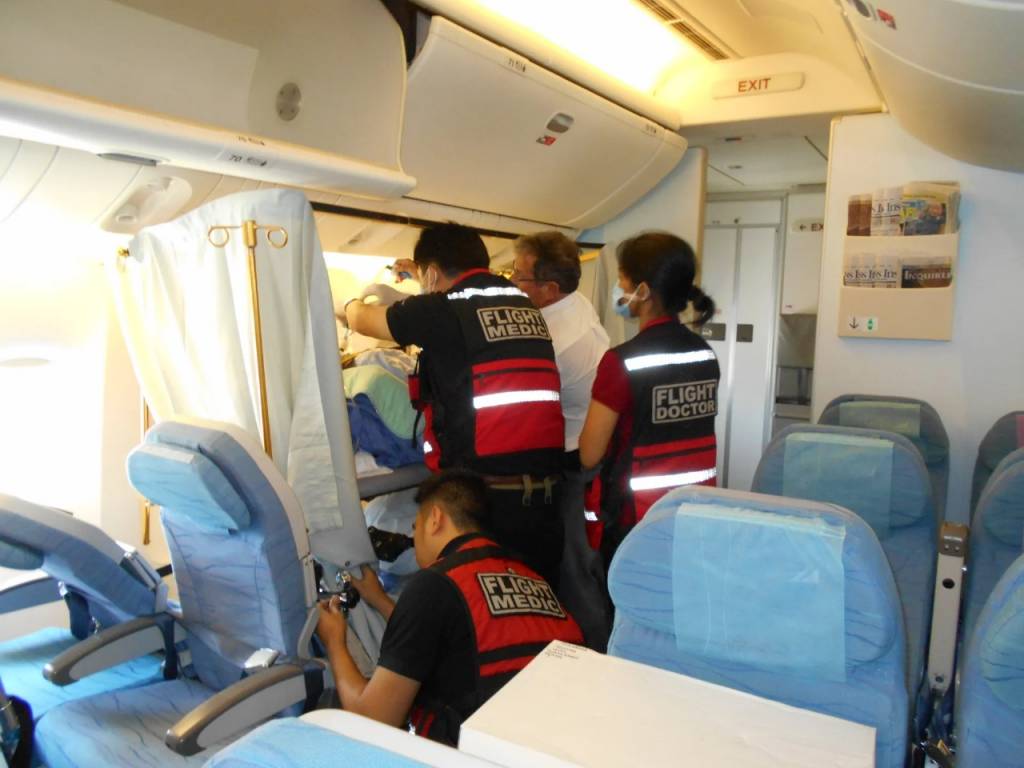
People living with epilepsy may need additional planning when travelling internationally, particularly when they have a history of seizures, require regular medication or need assistance during long-distance journeys. Changes in sleep patterns, missed medication, travel-related stress and fatigue may affect seizure control in some individuals. Although many people with epilepsy can travel by commercial aircraft, the decision should depend on their individual medical condition and advice from their treating neurologist. A medical escort may provide additional assistance during the journey when clinically appropriate and agreed in advance.
Can People With Epilepsy Travel by Air?
Having epilepsy does not automatically prevent someone from travelling by plane. However, fitness to fly should be assessed individually. The treating neurologist may consider seizure frequency, recent seizure history, medication stability, associated medical conditions and the patient’s ability to manage the journey. Patients who have recently experienced prolonged seizures, repeated seizures or a significant change in their condition may require medical reassessment before travelling. Airline medical clearance may also be necessary depending on the circumstances and the airline’s policies.
Why International Flights Require Additional Planning
International journeys can involve long waiting periods, multiple connections, unfamiliar environments and changes to normal routines. These factors may make it harder for some patients to maintain their usual epilepsy management plan. Crossing time zones can also complicate medication timing. Patients should discuss their itinerary with their neurologist and obtain clear instructions about medication schedules, missed doses and what to do if a seizure occurs during travel.
7 Important Preparations Before Travelling With Epilepsy
1. Review Fitness to Fly With a Neurologist
Before booking a flight, discuss the proposed journey with the treating neurologist. Share the flight duration, destination, connection details and any recent changes in seizure activity. The doctor can advise whether travel is appropriate and whether additional precautions are necessary.
2. Keep Anti-Seizure Medication Accessible
Carry prescribed anti-seizure medication in hand luggage, subject to airline and security requirements. Keep medicines in their original packaging where possible and carry an updated prescription or medical letter. Avoid placing the entire medication supply in checked baggage.
3. Prepare a Medication Schedule for Different Time Zones
Ask the prescribing doctor or pharmacist how to maintain the medication schedule when crossing time zones. Do not independently change doses or intervals. Written instructions can help patients and accompanying caregivers follow the correct routine throughout the journey.
4. Prioritise Sleep and Rest
Sleep disruption may trigger seizures in some people with epilepsy. Where possible, plan the journey to allow adequate rest before departure and after arrival. Discuss sleep-related precautions with the treating neurologist, especially when travelling overnight or across several time zones.
5. Carry Essential Medical Information
Prepare a document containing the patient’s diagnosis, medication list, known seizure triggers, allergies, emergency contacts and relevant medical instructions. If the patient has an individual seizure action plan, keep a copy accessible during travel.
6. Inform the Travel Support Team
If travelling with a medical escort or caregiver, discuss the patient’s seizure history and agreed emergency plan before departure. The support person should understand what assistance is expected, when to seek medical help and which actions are appropriate within their training and professional scope.
7. Plan for Airport and Connecting-Flight Assistance
Long airport walks, queues and extended waiting periods may be challenging for some patients. Request suitable airport assistance if required and allow sufficient time for transfers. For connecting flights, consider the patient’s mobility, rest requirements and access to prescribed medication.
How a Medical Escort May Support a Patient With Epilepsy
A medical escort may help patients who need additional assistance during a commercial flight. Depending on the patient’s condition, the escort’s qualifications and the agreed service, support may include:
- Reviewing relevant medical information and the agreed travel care plan before departure.
- Helping the patient follow the documented medication schedule.
- Providing agreed assistance with mobility, airport procedures and boarding.
- Observing the patient’s general condition during the journey.
- Following the agreed seizure response plan within professional training and scope.
- Communicating relevant concerns to the appropriate healthcare professionals or family members.
A commercial medical escort arrangement is not the same as an air ambulance and does not automatically provide hospital-level care, intensive care or advanced life support. If a patient requires continuous advanced monitoring or treatment that cannot be provided on a commercial aircraft, a different transport arrangement may need to be considered.
What Should Happen if a Seizure Occurs During a Flight?
A seizure during a flight requires an appropriate response based on the patient’s individual medical plan and the circumstances. Cabin crew should be informed so they can follow airline procedures and coordinate assistance. A trained medical professional accompanying the patient may provide support within their qualifications and the agreed care plan.
General seizure first-aid principles include protecting the person from nearby hazards, allowing the seizure to progress without restraining their movements and not placing anything in their mouth. The person should be monitored, and emergency assistance should be requested when indicated by the patient’s action plan or the severity and duration of the seizure. A prolonged seizure, repeated seizures without recovery or breathing difficulties require urgent medical attention.
Documents to Prepare Before Departure
Patients and families should consider carrying the following documents:
- Recent medical summary from the treating neurologist.
- Current prescription and medication list.
- Individual seizure action plan, if available.
- Relevant investigation reports, if requested by the healthcare team.
- Emergency contact information.
- Airline medical forms or clearance documents, if required.
Frequently Asked Questions
Can a person with epilepsy travel internationally alone?
Some people with well-controlled epilepsy may be able to travel independently. Others may need a family member, caregiver or medical escort, depending on seizure frequency, support requirements and medical advice. The decision should be individualised.
Should epilepsy medication be taken during a long-haul flight?
Patients should follow the medication schedule provided by their treating doctor or pharmacist. If the journey crosses time zones, obtain written instructions before departure rather than adjusting doses independently.
Does every patient with epilepsy need a medical escort?
No. Many patients can travel with their usual arrangements and appropriate preparation. A medical escort may be considered when the patient has additional medical or practical support requirements during the journey.
Can a patient with epilepsy fly after a recent seizure?
It depends on the seizure, the patient’s recovery, underlying condition and medical advice. Patients should consult their treating neurologist before flying, particularly after a prolonged, repeated or unusual seizure. Airline requirements may also apply.
Arrange Appropriate Support for International Patient Travel
Travelling internationally with epilepsy requires a clear medical plan, reliable medication arrangements and preparation for unexpected situations. Patients and families should coordinate with the treating neurologist well before departure and confirm any airline medical requirements. A medical escort may provide additional assistance when the patient’s condition and travel needs make it appropriate.
MedEscort International can help families explore medical escort arrangements for international patient journeys. Contact the team to discuss the patient’s travel requirements and available support.
- Phone: +91 9774900430
- Email: alan@medescortinternational.com
- Website: MedEscort International