


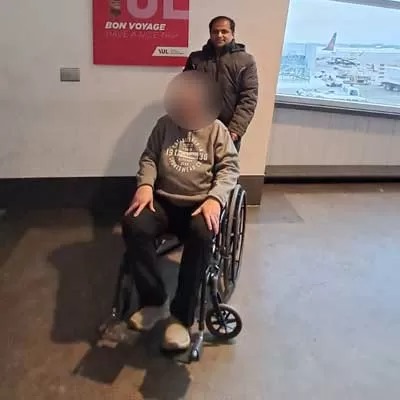
International travel can require additional preparation for people living with a stoma. Whether a patient has a colostomy, ileostomy or urostomy, travelling by commercial aircraft may involve changes to daily routines, access to suitable facilities, managing medical supplies and maintaining comfort during a long journey.
Having a stoma does not automatically prevent someone from flying. However, the patient’s overall health, recovery progress, stoma function and individual care requirements should be considered before travel. For patients returning home after treatment or relocating closer to family, a planned medical journey may help make the transfer more manageable.
1. Understanding Stoma Care During International Travel
A stoma is a surgically created opening that allows waste to leave the body. Depending on the type of surgery, patients may use a colostomy, ileostomy or urostomy pouch.
Travel can temporarily affect established routines. Changes in meal schedules, hydration, activity levels and access to familiar facilities may create practical challenges. Patients should discuss their travel plans with their treating medical team or stoma care nurse before departure.
2. Medical Assessment Before Booking a Flight
Before arranging an international flight, patients should receive an individual assessment from their treating clinician. This is particularly important for people who have recently undergone abdominal surgery or experienced complications.
The assessment may consider:
- Whether the patient has recovered sufficiently from surgery.
- Whether the stoma is functioning as expected.
- Whether there are signs of infection, bleeding or other complications.
- Whether the patient can manage pouch changes independently.
- Whether additional assistance is required during the journey.
- Whether the patient can tolerate a long flight and airport transfers.
Medical fitness to fly must be determined individually. Airlines may also request medical documentation or clearance, depending on the patient’s circumstances and their own policies.
3. Preparing Stoma Supplies for the Journey
Having sufficient supplies is an important part of international travel planning. Patients should carry essential stoma products in their hand luggage so that they remain accessible if checked baggage is delayed or misplaced.
Depending on individual needs, supplies may include:
- Extra ostomy pouches and skin barriers.
- Adhesive remover and skin-protection products.
- Disposable disposal bags.
- Cleaning wipes and tissues.
- Spare clothing.
- Any prescribed medication and relevant medical products.
Patients should estimate their requirements for the complete journey, including airport waiting periods, flight delays and possible overnight stays. Carrying additional supplies is a sensible precaution.
4. Managing Stoma Care During a Long-Haul Flight
Long-haul flights can make routine stoma management more challenging because passengers have limited space and may need to wait for access to the aircraft toilet.
Patients may find it helpful to:
- Choose comfortable clothing that does not place unnecessary pressure on the stoma.
- Keep essential supplies within easy reach.
- Identify suitable toilet facilities during airport stopovers.
- Follow their usual pouch-care routine as closely as possible.
- Drink fluids according to their clinician’s advice, particularly if they have an ileostomy.
- Inform the travel team about any assistance they may need.
Patients should also discuss concerns about pouch leakage, skin irritation or changes in output with their stoma care nurse before departure.
5. Choosing the Right Seat and Travel Assistance
Seat selection can influence comfort during a long journey. Some patients may prefer an aisle seat because it provides easier access to the toilet. Others may have different needs depending on their mobility, medical condition and the assistance available on board.
When booking, passengers should consider:
- Access to aircraft toilet facilities.
- Space and comfort during prolonged sitting.
- Whether assistance is required when boarding or leaving the aircraft.
- Any mobility limitations following abdominal surgery.
- Whether airline medical clearance or special arrangements are necessary.
Airline assistance should be arranged in advance wherever possible. Patients should not assume that ordinary airport assistance includes clinical stoma care.
6. How a Medical Escort May Assist
For patients who are medically stable but require additional support, a commercial-flight medical escort may be an option worth discussing with the treating clinician.
Depending on the agreed service, a medical escort may assist with:
- Coordinating travel arrangements around the patient’s medical needs.
- Monitoring the patient’s general condition within professional scope.
- Supporting mobility and transfers during the journey.
- Helping the patient access their personal care supplies.
- Communicating relevant care information during the transfer.
- Coordinating with family members and receiving contacts.
The exact support available depends on the patient’s condition, the escort professional’s qualifications and the agreed care plan. A commercial medical escort is not an air ambulance and does not automatically provide hospital-level treatment, intensive care or advanced life support.
Patients and families can explore the services offered by MedEscort International when considering a coordinated medical journey.
7. Documents to Prepare Before Departure
Keeping relevant medical information organised can make travel coordination easier. Patients may need to carry:
- A recent medical summary.
- Details of the stoma surgery and any recent complications.
- A current medication list.
- Contact information for the treating clinician and stoma care nurse.
- Relevant airline medical forms, if requested.
- Travel insurance documents, where applicable.
- Details of the receiving hospital or healthcare provider, if relevant.
Medical documents should be accessible throughout the journey rather than packed in checked baggage.
8. When Should Travel Be Delayed?
International travel may need to be postponed if a patient has an unresolved medical problem. The treating clinician should assess any new or worsening symptoms before the journey proceeds.
Examples of concerns requiring medical review include:
- Severe abdominal pain or persistent vomiting.
- Significant bleeding from the stoma.
- Signs of dehydration.
- Sudden changes in stoma output.
- Fever or suspected infection.
- Stoma colour changes or other unexpected physical changes.
These symptoms should not be managed simply by relying on travel assistance. Urgent medical assessment may be necessary, depending on their severity.
9. Frequently Asked Questions
Can someone with a stoma travel on a commercial flight?
Many people with a stoma can travel by commercial aircraft. However, fitness to fly depends on their overall health, recovery and individual medical requirements. A treating clinician should provide guidance before booking.
Should stoma supplies be carried in hand luggage?
Yes. Keeping essential supplies in hand luggage helps ensure that patients can access them during the flight and if checked baggage is delayed. Passengers should also check airline and airport rules concerning medical supplies.
Can a medical escort help with stoma-related travel needs?
A medical escort may provide agreed travel assistance, mobility support and general monitoring within professional scope. Specific stoma care tasks must be discussed and confirmed in advance based on the escort professional’s qualifications and the patient’s care plan.
Is it safe to fly soon after stoma surgery?
There is no single waiting period suitable for every patient. The timing depends on the type of surgery, healing progress and any complications. The surgeon or treating clinician should determine when flying is appropriate.
What should patients do if their pouch leaks during a flight?
Patients should keep spare pouches, skin barriers, wipes and disposal bags accessible. They should follow their usual pouch-changing routine and seek assistance if they cannot manage independently.
10. Planning a More Comfortable International Medical Journey
Travelling internationally with a stoma requires practical preparation, appropriate supplies and a clear understanding of the patient’s medical needs. Planning ahead can help reduce avoidable difficulties associated with airport transfers, long flight durations and changes to daily care routines.
For patients who need additional support, a medical escort arrangement may help coordinate the journey, subject to clinical suitability and the agreed level of assistance. Early communication between the patient, family, treating clinician, airline and travel coordination team is important.
MedEscort International can help families explore medical travel arrangements for eligible patients. Contact the team to discuss the patient’s circumstances and potential support requirements.
Contact MedEscort International
Phone: +91 9774900430
Email: alan@medescortinternational.com
Website: https://medescortinternational.com/
Medical disclaimer: This article provides general travel information and is not a substitute for individual medical advice. Patients should consult their treating healthcare professionals before making international travel arrangements.