


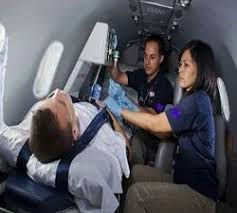
International medical transfers often involve communication between patients, family members, hospitals, airlines and healthcare professionals in different countries. When these individuals speak different languages, even simple conversations about medication, medical history, travel arrangements and patient requirements can become challenging.
Clear communication is particularly important when a patient has recently been discharged from a hospital, is recovering from an illness or requires assistance during a long-distance journey. Misunderstandings may lead to confusion about travel instructions, medication schedules, mobility requirements or follow-up care.
Preparing for language differences before departure can make the journey more organised and reduce unnecessary stress. This guide explains seven practical ways to manage communication challenges during international medical transfers.
1. Prepare Essential Medical Information in Advance
One of the most useful ways to overcome language barriers is to prepare an organised medical information file before travelling. This document can help healthcare professionals understand the patient’s condition, even when they do not share a common language.
Depending on the patient’s needs, the file may include:
- Current medical diagnosis and relevant medical history.
- Recent discharge summaries and clinical reports.
- Medication names, dosages and administration schedules.
- Known allergies and previous adverse reactions.
- Mobility limitations and assistance requirements.
- Emergency contact details.
- Relevant treating doctor’s recommendations.
Important documents should be translated into the language used by the receiving healthcare team whenever necessary. Medical translations should be accurate and, where possible, completed or reviewed by a qualified medical translator.
2. Arrange Professional Interpretation When Necessary
Family members may help with everyday conversations, but they should not always be relied upon to interpret complex medical information. Medical terminology can be difficult to translate accurately without appropriate knowledge.
Professional interpreters can help patients and families communicate with healthcare professionals about diagnoses, treatment instructions, consent procedures and discharge arrangements.
Interpretation support may be arranged through:
- The sending or receiving hospital.
- Professional medical interpretation services.
- Approved telephone or video interpretation providers.
- Qualified interpreters arranged by the patient or family.
For important medical decisions, patients should have access to appropriate interpretation support so they can understand the information being provided and communicate their questions clearly.
3. Inform the Medical Escort About Language Requirements
When arranging a medical escort, families should explain the patient’s preferred language and any communication difficulties during the initial planning stage.
This information may help the service provider assess the communication requirements and determine what assistance can reasonably be arranged. Depending on the agreed service and the escort’s qualifications, the escort may help coordinate conversations, communicate basic travel information and support communication with relevant personnel.
However, a medical escort should not automatically be considered a qualified interpreter. Complex clinical discussions and informed-consent procedures may require a professional interpreter.
4. Create a Simple Communication Card for the Journey
A communication card can be particularly helpful when a patient has difficulty speaking the local language or becomes tired during a long journey.
The card should contain short, easy-to-understand statements about the patient’s essential needs. It can be printed and kept with travel documents or placed somewhere easily accessible.
Useful information may include:
- “I need medical assistance.”
- “I take medication regularly.”
- “I have a medical condition.”
- “I need help walking.”
- “Please contact my medical escort.”
- “Please contact my family member.”
- “I have an allergy to this medication or substance.”
Include the patient’s preferred language, emergency contact information and important medical alerts. If possible, prepare translated versions in the languages relevant to the journey.
5. Coordinate Communication Between Hospitals
When a patient is transferred between healthcare facilities in different countries, communication between the sending and receiving hospitals is essential.
The receiving team should have access to relevant medical information before the patient’s arrival. This may include clinical reports, medication records, recent test results, treatment instructions and details of any ongoing care requirements.
Families can help by confirming that the documents have been sent, identifying the appropriate contact person and checking whether translated records are needed.
A clear handover process helps reduce the possibility of missing information. If language differences exist between healthcare teams, professional interpretation or medical translation services may be required.
6. Prepare for Airline and Airport Communication
International medical travel may involve conversations with airline staff, airport assistance teams, immigration personnel and security officers. Patients who have difficulty communicating in the local language may find these interactions stressful.
Before departure, families should confirm the airline’s medical travel requirements and provide relevant information about the patient’s condition and assistance needs.
Useful preparations include:
- Keeping medical clearance documents accessible when required.
- Preparing written explanations of mobility or assistance requirements.
- Confirming wheelchair or other approved airport assistance arrangements.
- Keeping medication information and prescriptions available.
- Identifying the medical escort or accompanying person’s contact details.
- Allowing sufficient time for airport procedures.
Airline assistance policies differ, so arrangements should be confirmed directly with the airline before travelling.
7. Make Sure the Patient Understands Important Instructions
Communication should not be limited to exchanging information between professionals. Patients also need to understand what is happening during the journey.
Before departure, explain the travel arrangements in a language the patient understands. This may include the expected journey duration, airport procedures, medication schedule, planned assistance and what to do if they feel unwell.
Use simple language, short explanations and written instructions where appropriate. Give the patient enough time to ask questions. If the patient has cognitive, hearing or communication difficulties, additional support may be necessary.
Common Communication Challenges During International Medical Travel
| Communication Challenge | Possible Solution |
|---|---|
| Medical terminology is difficult to understand. | Use professional medical interpretation or translated documents. |
| Medication instructions are unclear. | Prepare a written medication schedule reviewed by the treating clinician. |
| The patient cannot explain their symptoms. | Prepare translated communication cards and relevant medical records. |
| Hospitals use different languages. | Arrange medical translation and a structured clinical handover. |
| Airport procedures are confusing. | Confirm assistance arrangements and prepare written travel information. |
How a Medical Escort May Help With Communication
A medical escort may provide valuable support during an international journey, particularly when a patient requires assistance with mobility, personal care or medical monitoring within the agreed scope of the service.
Depending on the arrangements, the escort may help by:
- Supporting communication about the patient’s agreed travel requirements.
- Helping the patient access relevant medical documents.
- Coordinating with airline personnel about pre-arranged assistance.
- Helping communicate basic patient needs during the journey.
- Supporting communication with family members and relevant contacts.
- Helping facilitate a handover to the receiving care team.
The escort’s ability to provide language assistance depends on their language skills and professional role. A medical escort does not replace a qualified interpreter or the receiving healthcare team.
Frequently Asked Questions
1. Can a medical escort help patients who do not speak English?
A medical escort may assist with communication depending on their language abilities and the agreed service. If complex medical discussions are expected, professional interpretation should be arranged.
2. Should medical documents be translated before international travel?
Yes, when the receiving hospital or relevant authorities require information in another language. Important clinical documents should be translated accurately, preferably by a qualified medical translator.
3. Can family members act as medical interpreters?
Family members can provide emotional support and help with everyday communication. However, professional interpreters are generally preferable for complex medical discussions, treatment decisions and informed consent.
4. What if a patient cannot communicate verbally?
Families should inform the medical escort and healthcare teams in advance. Communication cards, written instructions, assistive communication devices or support from a speech and language professional may be considered according to the patient’s needs.
5. Can language barriers affect international medical transfers?
Yes. Communication difficulties may cause misunderstandings about medical history, medication, travel requirements and receiving care arrangements. Advance preparation and appropriate interpretation support can help address these challenges.
Plan International Medical Travel With Better Communication
Language differences should not become an unnecessary obstacle when arranging international medical travel. Preparing medical records, arranging professional interpretation, informing the medical escort and coordinating with receiving healthcare teams can help make the process clearer for everyone involved.
Every patient’s communication requirements are different. The appropriate arrangements should be based on their medical condition, preferred language, ability to communicate and the requirements of the journey.
MedEscort International supports patients and families with international medical travel arrangements. If you are planning a medical transfer and need assistance understanding the available escort options, visit MedEscort International to learn more.
Contact MedEscort International
Phone: +91 9774900430
Email: alan@medescortinternational.com
Website: https://medescortinternational.com/
Contact the team to discuss your travel requirements and explore suitable medical escort arrangements for your journey.