


International air travel requires careful planning for people living with epilepsy. Changes in sleep patterns, missed medication, stress, fatigue and time-zone differences may increase the risk of seizures in some individuals. For patients travelling abroad for treatment, returning home after medical care or visiting family overseas, preparation is essential.
Epilepsy is a neurological condition characterised by a tendency to experience recurrent seizures. Seizures vary in type, duration and severity. Some patients may remain aware during an episode, while others may experience temporary loss of awareness or consciousness.
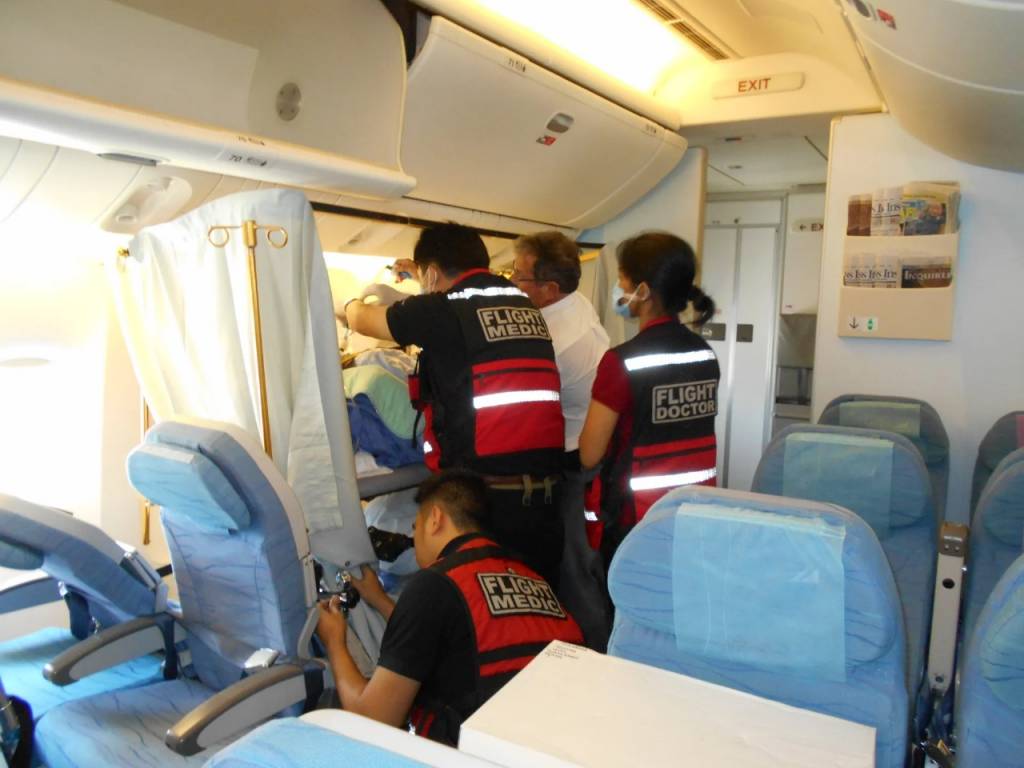
For medically stable patients, an international medical escort may provide additional assistance during a commercial flight, depending on the patient’s individual needs and the agreed service.
This article explains seven important ways to prepare for international air travel with epilepsy.
Understanding Epilepsy and Its Impact on International Travel
Epilepsy affects people differently. Some individuals experience seizures that are well controlled with medication, while others may have seizures despite treatment.
International travel can introduce challenges such as:
Disruption to regular medication schedules.
Changes in sleep patterns.
Fatigue caused by long journeys.
Stress associated with airports and connecting flights.
Time-zone differences.
Limited access to familiar medical support.
Difficulty communicating medical needs during an emergency.
Understanding the patient’s seizure history and treatment plan is important before arranging a long-distance journey.
Why Medical Escort Support May Be Beneficial
Some people with well-controlled epilepsy can travel independently. Others may need additional assistance because of seizure frequency, associated medical conditions or difficulties managing travel arrangements.
Depending on the patient’s condition, the escort’s qualifications and the agreed service, a medical escort may assist with:
Airport navigation and boarding arrangements.
Coordination of agreed medication schedules.
Communicating the patient’s needs to relevant travel personnel.
Supporting the patient’s comfort during the flight.
Following an agreed seizure response plan within professional scope.
Keeping family members informed about the journey.
A medical escort does not replace a neurologist, emergency medical team or hospital-level monitoring. Patients who require advanced medical intervention or continuous specialist supervision may need a different transport arrangement.
7 Essential Tips for Travelling Internationally with Epilepsy
1. Consult Your Neurologist Before Booking
Before arranging international travel, discuss the journey with the treating neurologist.
The assessment should consider:
Type and frequency of seizures.
Date of the most recent seizure.
Whether seizures are currently controlled.
Current medication and treatment response.
History of prolonged seizures or seizure clusters.
Other medical conditions.
Ability to tolerate a long flight.
Patients with recent changes in seizure frequency or uncontrolled seizures may need further assessment before travelling.
The treating clinician should determine whether commercial air travel is appropriate.
2. Maintain the Prescribed Medication Schedule
Taking anti-seizure medication consistently is one of the most important parts of travel preparation.
Time-zone differences and connecting flights can make regular schedules more difficult to maintain.
Before departure:
Carry sufficient prescribed medication for the journey and planned stay.
Keep medication in hand luggage.
Retain medicines in their original packaging.
Carry prescriptions and a current medication list.
Discuss time-zone adjustments with the treating neurologist.
Check medication regulations in the destination country.
Do not skip doses, change medication timings or adjust prescribed quantities without medical advice.
3. Prepare an Individual Seizure Response Plan
Families and escorts should understand what to do if a seizure occurs during travel.
The treating clinician can provide an individual plan covering:
The patient’s usual seizure symptoms.
Typical seizure duration.
Appropriate first-aid measures.
When emergency medical assistance is required.
Whether prescribed rescue medication is part of the plan.
Important emergency contact information.
During a seizure, general first-aid principles include protecting the person from nearby hazards, cushioning the head where possible and not restraining their movements.
Nothing should be placed in the person’s mouth. Once convulsive movements stop, the person should be placed on their side when safe and appropriate, and their breathing should be observed.
A seizure lasting five minutes or longer, repeated seizures without recovery, breathing difficulties or serious injury requires emergency medical assistance. Follow the patient’s individual emergency plan.
4. Prioritise Sleep and Rest
Sleep deprivation can trigger seizures in some people with epilepsy.
International flights may involve overnight travel, early departures and changes in time zones.
Patients should consider:
Maintaining a regular sleep routine before departure.
Avoiding unnecessary late-night activities.
Allowing enough rest before the journey.
Discussing overnight flight arrangements with their neurologist.
Planning recovery time after arrival.
Patients should not use sleeping medication or other sedatives without consulting their treating clinician, as some medicines may interact with existing treatment.
5. Manage Stress and Travel Fatigue
Busy airports, security procedures, long queues and connecting flights can create additional stress.
For some patients, stress and fatigue may contribute to seizure risk.
Families can help by:
Allowing extra time for airport procedures.
Avoiding unnecessarily tight connections.
Arranging assistance for long airport distances.
Keeping essential documents accessible.
Planning regular rest periods.
Informing the escort about the patient’s known triggers.
A calm and organised travel schedule may make the experience more manageable.
6. Carry Medical Identification and Important Documents
Patients with epilepsy should have relevant medical information readily available throughout the journey.
A travel medical folder may include:
A letter from the treating neurologist.
Diagnosis and seizure history.
Current medication details.
Known allergies.
Emergency contact information.
Individual seizure response instructions.
Details of prescribed rescue medication, if applicable.
A medical identification bracelet or card may also help communicate the patient’s condition if they cannot explain it themselves.
Check airline and destination-country requirements for carrying prescribed medicines, particularly any medication subject to controlled-drug regulations.
7. Arrange Assistance at Departure and Arrival Airports
Patients who experience seizures, fatigue or associated mobility difficulties may benefit from additional airport assistance.
Families should consider arranging:
Wheelchair assistance if required.
Support during check-in and boarding.
Assistance with connecting flights.
Help communicating medical requirements.
Suitable transportation after arrival.
Access to emergency contacts and medical information.
A medical escort may help coordinate agreed travel arrangements and support the patient during the journey, depending on the patient’s needs and the service provided.
Managing Epilepsy During a Long International Flight
A long flight can disrupt normal routines, especially when medication must be taken at specific times.
Patients should follow the treatment plan provided by their neurologist.
Practical preparations may include:
Keeping medication within easy reach.
Setting reminders for prescribed doses.
Maintaining an appropriate sleep routine.
Avoiding known seizure triggers.
Following the individual seizure response plan.
Informing the escort and airline crew about relevant medical needs.
If a seizure occurs, the response should follow the patient’s agreed plan and appropriate first-aid guidance. Emergency medical assistance should be requested when indicated.
What Families Should Consider Before Booking a Medical Escort
Families should understand the patient’s seizure history and travel requirements before arranging an escort.
Are the seizures controlled?
Discuss seizure frequency and recent episodes with the treating neurologist.
Has the patient experienced a prolonged seizure?
A history of prolonged seizures or seizure clusters may require additional planning.
Does the patient need assistance with medication?
Confirm the prescribed schedule and how it will be maintained across time zones.
Is rescue medication prescribed?
Ensure the escort understands the agreed plan and the limits of their role.
Can the patient travel safely on a commercial flight?
The treating neurologist should assess medical stability and fitness to fly.
What level of support is required?
Confirm the escort’s qualifications, responsibilities and the services included in the arrangement.
When Should Travel Be Postponed?
Travel should be postponed when the patient’s epilepsy is unstable or the treating clinician considers flying unsafe.
Examples of concerns requiring medical assessment include:
A recent significant increase in seizure frequency.
Uncontrolled or prolonged seizures.
Repeated seizures without full recovery.
Recent changes in medication causing significant side effects.
New neurological symptoms.
Serious injury following a seizure.
Inability to follow the prescribed treatment plan.
A prolonged seizure, repeated seizures without recovery, breathing difficulties or serious injury requires emergency medical attention.
How MedEscort International Can Help
MedEscort International supports patients and families arranging international medical travel.
For individuals living with epilepsy, travel coordination may involve medication schedules, seizure response planning, airport assistance and communication with family members.
Depending on the patient’s medical condition and the agreed service, support may include:
Pre-travel coordination.
Assistance with airport procedures.
Support during boarding and transfers.
Coordination of agreed medication arrangements.
Familiarisation with the patient’s individual seizure response plan.
Communication with family members.
Support throughout the journey within the escort’s professional scope.
Every journey requires individual assessment. Medical clearance, the treating neurologist’s recommendations, escort qualifications, airline approval and route arrangements should be considered before travel.
Contact MedEscort International
If your family is arranging international travel for someone living with epilepsy, contact MedEscort International to discuss the patient’s requirements.
Phone: +91 9774900430
Email: alan@medescortinternational.com
Website: medescortinternational.com
Frequently Asked Questions
1. Can people with epilepsy travel internationally by plane?
Many people with well-controlled epilepsy can travel by commercial aircraft. However, suitability depends on seizure control, overall health and the treating neurologist’s assessment.
2. Can flying trigger seizures?
Flying itself is not a universal seizure trigger. However, associated factors such as sleep deprivation, missed medication, stress and fatigue may increase seizure risk in some individuals.
3. What medication should epilepsy patients carry during international travel?
Patients should carry their prescribed anti-seizure medication, preferably in their hand luggage and original packaging. They should also carry prescriptions and an updated medication list.
4. What happens if a passenger has a seizure during a flight?
The patient should receive appropriate seizure first aid, and the airline crew should be informed. Emergency medical assistance may be required depending on the seizure’s duration, recovery and associated symptoms.
5. Can a medical escort assist someone with epilepsy?
Depending on their qualifications and the agreed service, a medical escort may assist with travel arrangements, medication coordination and the patient’s agreed seizure response plan. The escort does not replace specialist or emergency medical care.
6. Should epilepsy patients avoid overnight flights?
Not necessarily. However, disrupted sleep may increase seizure risk for some individuals. Patients should discuss flight timing and sleep arrangements with their neurologist.
7. Is an air ambulance necessary for patients with epilepsy?
Not automatically. Some medically stable patients may travel on commercial flights with appropriate support. Patients requiring advanced monitoring or specialist medical intervention may need a different transport arrangement.
Final Thoughts
International travel with epilepsy requires careful attention to medication schedules, sleep, seizure triggers and emergency planning.
With appropriate medical assessment and preparation, some patients may be able to travel comfortably by commercial flight.
When additional assistance is required, an international medical escort may help coordinate agreed travel arrangements and provide support throughout the journey.
The priority should always be the patient’s medical safety, dignity and continuity of care.
Medical Disclaimer: This article is intended for general informational purposes only and does not replace professional medical advice, diagnosis or treatment. Patients with epilepsy should consult their treating neurologist before arranging international travel. Fitness to fly and the appropriate level of medical support must be assessed individually.