


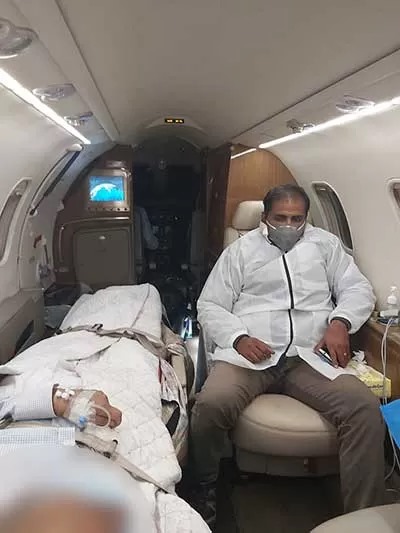
International travel can be challenging for people living with severe peripheral neuropathy. Nerve damage may cause numbness, tingling, burning pain, muscle weakness and reduced balance. These symptoms can make long journeys uncomfortable and increase the need for assistance with walking, transfers and everyday activities.
For patients who need to travel abroad for treatment, return home after hospital care or reunite with family, careful planning is essential. An international medical escort may provide additional assistance during a commercial flight, depending on the patient’s medical condition and the agreed level of support.
This guide explains seven important considerations for arranging international travel for someone with severe peripheral neuropathy.
Understanding Peripheral Neuropathy and Its Impact on Travel
Peripheral neuropathy affects the nerves outside the brain and spinal cord. It can interfere with sensation, movement and other body functions.
Common symptoms include:
Numbness or reduced sensation in the hands and feet.
Burning, shooting or stabbing nerve pain.
Muscle weakness and difficulty walking.
Poor balance and increased risk of falls.
Sensitivity to touch or temperature.
Difficulty recognising pressure or injuries to the feet.
During international travel, prolonged sitting, airport walking, changes in routine and limited mobility may create additional challenges.
Patients with significant weakness or reduced sensation may need assistance moving through airports, getting into aircraft seats and managing their personal needs.
Why Medical Escort Support May Be Beneficial
Travelling with severe peripheral neuropathy does not automatically require a medical escort. However, additional support may be helpful when symptoms significantly affect mobility, independence or the ability to manage the journey.
Depending on the patient’s needs and the agreed service, a medical escort may assist with:
Airport navigation and boarding arrangements.
Walking support and transfers.
Medication and travel-document organisation.
Comfort and positioning during the flight.
Communication with family members.
Monitoring for changes that fall within the escort’s professional scope.
The level of support should be agreed before departure. A medical escort is not a substitute for hospital-level care or an air ambulance when specialist medical transport is necessary.
7 Essential Tips for Travelling with Severe Peripheral Neuropathy
1. Obtain Medical Clearance Before Booking
The first step is to consult the treating neurologist or physician. The doctor should assess the patient’s overall condition, mobility, pain levels and ability to tolerate a commercial flight.
Patients with rapidly worsening weakness, new neurological symptoms or other unstable medical problems may need further investigation before travelling.
Medical clearance should also consider any other conditions that could affect the journey.
2. Arrange Airport Mobility Assistance
Walking long distances through international airports can be exhausting for people with peripheral neuropathy.
Consider arranging wheelchair assistance or other mobility support with the airline in advance. This can reduce unnecessary walking and make transfers between terminals more manageable.
If the patient uses a walking aid, check airline requirements for carrying and storing it.
3. Plan for Pain and Medication Management
Nerve pain can become difficult to manage during a long journey, particularly when normal routines are disrupted.
Before departure:
Carry prescribed medication in its original packaging.
Keep essential medication in hand luggage.
Bring a current medication list.
Follow the prescribed dosing schedule.
Check whether any medication requires special documentation.
Ask the treating doctor about managing pain during the flight.
Do not change medication doses or take additional medication without medical advice.
4. Protect the Feet and Areas with Reduced Sensation
Reduced sensation can make it difficult for patients to recognise pressure, friction or minor injuries.
Wear comfortable, properly fitting footwear and avoid tight socks or shoes that restrict circulation. Check the feet regularly for redness, swelling, blisters or skin damage.
Patients with diabetes or existing foot wounds may require additional precautions and a specific foot-care plan from their healthcare professional.
5. Choose Comfortable Seating and Positioning
Remaining in one position for an extended period may increase discomfort, especially for patients with muscle weakness or nerve pain.
Where possible, discuss suitable seating arrangements with the airline. An aisle seat may make movement and access easier, depending on the patient’s needs.
Use appropriate cushions or positioning aids if recommended by the treating clinician. Avoid placing pressure on areas where sensation is reduced.
6. Understand the Risk of Reduced Mobility
Some patients with severe peripheral neuropathy have difficulty moving their legs or walking independently. Limited movement during a long flight can increase the risk of complications, including blood clots.
Discuss individual clotting risks with the treating doctor before departure. The doctor can recommend appropriate preventive measures based on the patient’s medical history.
Do not begin compression stockings, medication or other preventive treatments without professional advice.
7. Prepare a Complete Medical Travel Folder
Keeping medical information organised helps make the journey easier to coordinate.
The folder should include:
Medical reports and diagnosis details.
Treating doctor’s fitness-to-fly assessment.
Current medication list.
Emergency contact information.
Details of allergies.
Mobility and assistance requirements.
Airline medical clearance documents, where required.
Destination hospital or healthcare provider details, if applicable.
Keep essential documents accessible throughout the journey.
Managing Comfort During a Long International Flight
A long-haul journey requires particular attention to comfort and mobility.
Patients should follow their clinician’s advice regarding movement, positioning and hydration. If movement is medically appropriate, gentle changes in position and approved exercises may help reduce stiffness.
Other useful considerations include:
Wearing loose and comfortable clothing.
Keeping essential medication within reach.
Avoiding unnecessary pressure on numb areas.
Using suitable neck, back or leg support.
Informing cabin crew about any agreed assistance requirements.
Having a clear plan for managing pain or unexpected symptoms.
A medical escort may help coordinate these arrangements and provide agreed assistance during the flight.
What Families Should Consider Before Booking a Medical Escort
Families should understand the patient’s actual support requirements before selecting a service.
Important questions include:
Does the patient need assistance walking?
Consider whether the patient can manage airport transfers, stairs and aircraft seating independently.
Is the patient’s pain adequately controlled?
Uncontrolled pain may make a long journey difficult. Discuss pain management with the treating clinician before departure.
Can the patient travel on a commercial flight?
The treating doctor and airline must assess whether the patient’s condition and assistance needs are compatible with commercial air travel.
What level of medical support is required?
Confirm the escort’s qualifications, responsibilities, equipment and scope of practice. If the patient needs continuous specialist monitoring or advanced medical intervention, a different transport arrangement may be necessary.
When Should Travel Be Postponed?
Travel should be postponed when a patient’s condition is unstable or the treating medical team considers flying unsafe.
Examples include:
Rapidly progressing muscle weakness.
New or unexplained neurological symptoms.
Severe uncontrolled pain.
Suspected blood clot.
Active infection or fever requiring assessment.
Unhealed wounds or serious foot complications.
New breathing difficulties or chest pain.
Sudden weakness, facial drooping, speech difficulties, chest pain or severe breathing problems require urgent medical assessment rather than travel arrangements.
How MedEscort International Can Help
MedEscort International supports patients and families arranging international medical travel. For individuals living with severe peripheral neuropathy, the journey can be planned around mobility limitations, comfort requirements and the level of assistance needed.
Depending on the patient’s condition and agreed service, support may include:
Pre-travel coordination.
Assistance with airport procedures.
Support during boarding and transfers.
Help with agreed medication and comfort arrangements.
Communication and coordination with family members.
Assistance throughout the journey within the escort’s professional scope.
Every journey should be assessed individually. Medical fitness, airline approval, route arrangements and the patient’s care requirements must be considered before confirming travel.
Contact MedEscort International
If your family is arranging international travel for someone living with severe peripheral neuropathy, contact MedEscort International to discuss the patient’s requirements.
Phone: +91 9774900430
Email: alan@medescortinternational.com
Website: medescortinternational.com
Frequently Asked Questions
1. Can someone with severe peripheral neuropathy travel internationally?
Some patients with peripheral neuropathy can travel internationally, provided their condition is medically stable and their treating clinician considers commercial air travel appropriate. The level of assistance required should be assessed before booking.
2. Does peripheral neuropathy make flying unsafe?
Peripheral neuropathy does not automatically make flying unsafe. However, severe weakness, mobility limitations, uncontrolled symptoms or associated medical conditions may require additional assessment and precautions.
3. Can a medical escort help with walking and airport transfers?
Depending on their qualifications and the agreed service, a medical escort may assist with mobility-related arrangements and airport transfers. Wheelchair assistance may also need to be arranged through the airline.
4. What medication should patients carry during international travel?
Patients should carry their prescribed medication in hand luggage, preferably in its original packaging, together with a current prescription or medical letter where appropriate. Medication requirements should be checked for the destination country.
5. Can patients with peripheral neuropathy travel alone?
Patients with mild symptoms may be able to travel independently. Those experiencing significant weakness, balance difficulties, severe pain or dependence on daily assistance may benefit from travelling with an appropriate companion or medical escort.
6. Is a medical escort the same as an air ambulance?
No. A medical escort generally accompanies a patient on a commercial flight when the patient is considered suitable for that type of travel. An air ambulance is a specialist medical transport service for patients who require a higher level of medical care during transportation.
Final Thoughts
Severe peripheral neuropathy can make international travel more complicated, but appropriate preparation can help patients and families understand the challenges and organise suitable assistance.
Medical clearance, mobility planning, medication management and careful attention to comfort are important parts of the process. When additional support is needed, an international medical escort may help coordinate the journey within the agreed level of care.
The priority should always be the patient’s safety, dignity and medical needs.
Medical Disclaimer: This article is intended for general informational purposes only and does not replace professional medical advice, diagnosis or treatment. Patients should consult their treating healthcare professional before making international travel arrangements. Fitness to fly and the appropriate level of medical support must be assessed individually.