


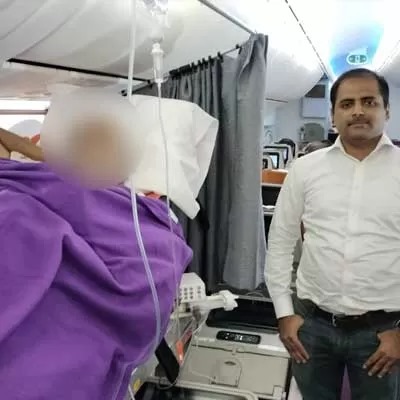
International air travel for patients with osteoporosis requires careful planning, particularly for those with fragile bones, reduced mobility, previous fractures, or difficulty maintaining a comfortable sitting position for long periods. Osteoporosis is a condition that weakens bones and increases the risk of fractures. Although many people with osteoporosis can travel by air, long-distance journeys may require additional support to manage mobility, reduce the risk of falls, and maintain comfort.
Some patients may need to return to their home country after medical treatment, travel to access specialist care, or reunite with family members. For patients who are medically stable but need additional assistance, an international medical escort may help coordinate the practical aspects of the journey. Travel arrangements should be based on the patient’s medical condition, fracture history, mobility, and individual care requirements.
Understanding Osteoporosis and Its Impact on International Travel
Osteoporosis develops when bones lose strength and become more vulnerable to fractures. The condition may not cause noticeable symptoms until a fracture occurs. Common fracture sites include the hip, spine, and wrist.
International travel can present additional challenges for some patients, including:
Increased fracture risk: Fragile bones may be more vulnerable to injury following a fall or sudden impact.
Mobility limitations: Patients with previous fractures may need walking aids, wheelchairs, or assistance with transfers.
Back pain and discomfort: Vertebral fractures can cause pain that makes prolonged sitting difficult.
Reduced balance: Some patients may have difficulty walking safely through crowded airports.
Fatigue: Long airport transfers and extended journeys can be physically demanding.
Medication management: Patients may need to maintain regular treatment schedules and carry prescribed medication.
Post-fracture recovery: Patients recovering from a recent fracture may require specific positioning, movement restrictions, or assistance.
Not every person with osteoporosis has the same level of risk. A patient’s current health, recent injuries, mobility, and ability to tolerate prolonged sitting should guide travel planning.
Why Medical Escort Support May Be Beneficial
Patients with osteoporosis may be able to travel independently, while others need additional assistance because of mobility difficulties, previous fractures, or concerns about falling.
Depending on the agreed service, a medical escort may help with:
Supporting airport navigation and boarding arrangements.
Coordinating wheelchair assistance where appropriate.
Helping the patient follow planned movement and transfer precautions.
Supporting prescribed medication routines.
Communicating the patient’s mobility and comfort needs to relevant personnel.
Coordinating practical arrangements with family members or caregivers.
Helping organise arrival assistance and onward transport.
An escort may reduce some practical challenges associated with travelling, but cannot eliminate the risk of falls or fractures. The patient’s needs must be assessed before departure, especially if they have recently undergone surgery or sustained a significant fracture.
Patients who require specialist positioning, continuous medical monitoring, or care beyond the escort service’s scope may need a different transport arrangement.
Preparing a Patient with Osteoporosis for International Travel
Preparation should begin before flights are booked. The treating doctor, airline, escort provider, and receiving caregiver may need to coordinate the arrangements.
1. Obtain Medical Advice Before Booking
Consult the patient’s treating doctor to assess whether they are medically fit for the proposed journey.
The assessment should consider:
Previous fractures and their healing progress.
Current pain and mobility.
Recent surgery, if applicable.
Ability to sit for the expected journey duration.
Other medical conditions and prescribed medications.
Any movement restrictions or special positioning requirements.
Patients recovering from a hip, spinal, or other major fracture may need additional assessment before flying. The treating clinician should advise when travel is appropriate and whether any precautions are necessary.
2. Assess Mobility and Transfer Requirements
Airport environments can involve long walking distances, crowded queues, escalators, and frequent changes in direction. These conditions may increase the risk of falls for patients with balance or mobility difficulties.
Before departure, determine whether the patient needs a wheelchair, walking aid, or assistance with transfers. Request airport assistance in advance and confirm how the patient will move between the check-in area, security screening, boarding gate, and aircraft seat.
If the patient has specific movement restrictions after a fracture or surgery, ensure that everyone involved in the journey understands them.
Avoid assuming that a patient who can walk a short distance will be able to manage the entire airport journey without assistance.
3. Plan Seating and Comfort
Long flights may be uncomfortable for patients who experience back pain, joint stiffness, or difficulty changing position.
Discuss the patient’s seating needs with the airline before travel. Consider whether extra assistance is required to board, sit down, stand up, or access the restroom.
Patients recovering from a spinal or hip fracture may have specific positioning requirements. Follow the treating clinician’s instructions and confirm that the planned seating and transfer arrangements are suitable.
If the patient cannot sit safely or comfortably for the expected flight duration, the treating medical team should reassess the proposed journey.
4. Organise Medication and Medical Documents
Prepare a travel folder containing essential medical information and keep it accessible throughout the journey.
Useful documents may include:
A recent medical summary.
Details of previous fractures and any recent surgery.
An updated medication list.
Information about allergies and other medical conditions.
Relevant imaging or discharge summaries, if needed for ongoing care.
Instructions regarding movement restrictions or mobility assistance.
Emergency contact information.
Medical fitness-to-fly documentation if requested by the clinician or airline.
Keep prescribed medication in hand luggage where permitted. Follow the treating doctor’s instructions about medication timing and pain management. Do not change doses or take additional medication solely to make the flight easier without medical advice.
5. Arrange Suitable Support at the Destination
Travel planning should include the journey from the arrival airport to the patient’s final destination.
Arrange appropriate transport and confirm whether the patient needs help getting into a vehicle, entering the home, climbing stairs, or moving around safely.
If the patient is recovering from a recent fracture, check that the receiving caregiver understands any restrictions and that suitable mobility aids are available.
Patients who require ongoing rehabilitation or follow-up appointments should have arrangements in place before departure.
Reducing Fall Risk During a Long International Journey
Preventing falls is an important consideration for patients with osteoporosis because a fall can lead to a serious fracture.
The following precautions may help make travel more manageable:
Request airport assistance: Wheelchair assistance can reduce the need to walk long distances when recommended for the patient’s circumstances.
Wear suitable footwear: Choose stable, comfortable shoes that fit properly and provide adequate grip.
Avoid rushing: Allow extra time for airport procedures, boarding, and transfers.
Use prescribed mobility aids: Bring any walking aid recommended by the treating clinician and ensure it is suitable for travel.
Ask for help with transfers: Patients who have difficulty standing, sitting, or changing direction should not attempt risky movements without appropriate assistance.
Keep essential items accessible: Arrange medication, documents, and personal belongings so the patient does not need to bend, stretch, or reach awkwardly.
Follow movement restrictions: Patients recovering from a fracture or surgery should follow the specific advice provided by their medical team.
These measures can help reduce some avoidable risks, but they cannot guarantee that a fall or injury will not occur.
What Families Should Consider Before Booking
Before confirming international travel for a patient with osteoporosis, families should consider the following questions:
Is the patient medically stable and fit for the proposed flight?
Has a recent fracture healed sufficiently for travel, according to the treating clinician?
Can the patient sit comfortably for the expected journey duration?
Does the patient require wheelchair assistance or help with transfers?
Are there restrictions on movement, lifting, or weight-bearing?
Are prescribed medicines and relevant medical records organised?
Is suitable transport available at the destination?
Will a caregiver be present to help the patient after arrival?
Is a commercial-flight medical escort suitable, or does the patient require specialist medical transport?
Discussing these questions before booking can help families select appropriate arrangements and avoid unnecessary physical strain.
When Should Travel Be Postponed?
Travel may need to be delayed if the patient has an untreated fracture, uncontrolled pain, significant difficulty transferring safely, or another medical problem that has not been assessed.
Patients recovering from recent surgery or a major fracture should obtain specific advice from their treating clinician before flying. The appropriate timing depends on the injury, treatment, recovery progress, and the patient’s overall condition.
After a fall, sudden severe pain, new inability to bear weight, or a noticeable change in mobility requires prompt medical assessment. Sudden severe back pain following minimal movement should also be assessed, particularly in someone with known osteoporosis.
A medical escort can provide assistance during an appropriate journey, but cannot make an unsafe journey medically suitable.
How MedEscort International Can Help
MedEscort International supports patients and families who need assistance coordinating international medical travel. For suitable patients with osteoporosis, a medical escort may help manage the practical demands of the journey and provide assistance according to the patient’s needs and the agreed service.
Support may include:
Discussing the patient’s mobility and travel requirements with family members.
Coordinating airport assistance and boarding arrangements.
Helping families organise relevant medical documentation.
Planning around mobility aids, comfort, and transfer requirements.
Coordinating arrival arrangements with the receiving caregiver.
Providing escort assistance within the agreed professional scope.
Each case requires individual assessment. Suitability depends on the patient’s medical stability, fracture history, mobility, positioning requirements, airline policies, and proposed route.
Contact MedEscort International
Phone: +91 9774900430
Website: medescortinternational.com
Contact MedEscort International to discuss the patient’s circumstances and explore suitable international travel arrangements.
Frequently Asked Questions
1. Can a person with osteoporosis travel internationally by plane?
Many people with osteoporosis can travel by plane, provided they are medically stable and can manage the journey safely. Patients with recent fractures, significant pain, or mobility limitations should consult their treating clinician before booking.
2. Is a medical escort necessary for every patient with osteoporosis?
No. The need for an escort depends on the patient’s independence, fracture history, mobility, and support requirements. Some patients travel independently, while others benefit from dedicated assistance.
3. Can a patient with a recent fracture travel internationally?
Some patients may be able to travel after a fracture, but the timing depends on the type and severity of the injury, treatment, recovery, and ability to tolerate the journey. The treating clinician should determine whether travel is appropriate.
4. Can a medical escort help prevent falls during airport transfers?
An escort may provide practical assistance and help coordinate airport support within the agreed service. However, no escort can eliminate all fall risks. Mobility needs and transfer arrangements should be assessed before departure.
5. What should patients with osteoporosis pack for an international flight?
Patients should generally carry prescribed medication, relevant medical documents, suitable footwear, mobility aids if required, and essential personal items. Any special positioning or movement instructions should be discussed with the treating clinician before travel.
6. Should patients with osteoporosis take extra medication before flying?
Patients should not take additional medication or change prescribed doses without medical advice. Pain management and medication schedules should be discussed with the treating clinician before departure.
7. Can MedEscort International assist with medical repatriation for patients with osteoporosis?
MedEscort International can discuss the patient’s medical condition and proposed route to determine whether its medical escort service may be suitable. Arrangements depend on the patient’s stability, mobility, transfer requirements, airline policies, and level of care needed.
Final Thoughts
International travel with osteoporosis requires careful planning, particularly when the patient has a history of fractures, reduced mobility, or difficulty sitting comfortably for long periods. Medical advice, appropriate airport assistance, safe transfer arrangements, and preparation for care at the destination can help families make informed decisions.
For patients who are medically stable but need additional support, an international medical escort may help make a long-distance journey more manageable. The priority is to select arrangements that reflect the patient’s medical condition and mobility needs while reducing avoidable strain and injury risks.
Medical disclaimer: This article is intended for general informational purposes only and does not replace professional medical advice, diagnosis, or treatment. Patients with osteoporosis should consult their treating healthcare professional before making international travel arrangements.