


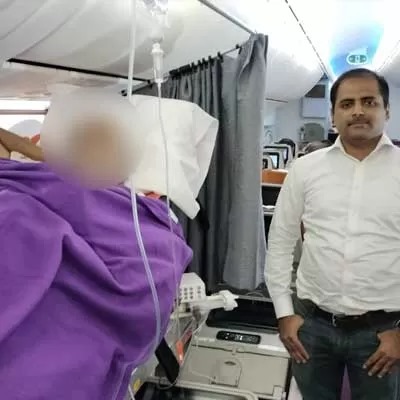
International air travel with Crohn’s disease can require careful preparation, particularly for patients who experience abdominal pain, frequent bowel movements, fatigue, or unpredictable flare-ups. Crohn’s disease is a chronic inflammatory bowel disease (IBD) that can affect different parts of the digestive tract. Although many people with the condition travel successfully, long-distance journeys may require additional planning to manage symptoms, medication, dietary needs, and access to restroom facilities.
Some patients need to travel internationally to return home after receiving medical treatment, access specialist care, or reunite with family members. For patients who are medically stable but require additional assistance, an international medical escort may help coordinate the practical aspects of the journey. The appropriate arrangements depend on the patient’s current health, mobility, symptoms, and level of support required.
Understanding Crohn’s Disease and Its Impact on International Travel
Crohn’s disease causes inflammation in the digestive tract and may lead to symptoms such as abdominal cramps, diarrhoea, fatigue, reduced appetite, and unintended weight loss. Symptoms can vary over time, with periods of remission and episodes of increased disease activity.
International travel may present additional challenges for some patients, including:
Frequent restroom needs: Urgent or frequent bowel movements can make long flights and airport transfers more difficult.
Abdominal discomfort: Cramping, bloating, and pain may affect comfort during prolonged periods of sitting.
Fatigue: Active disease, disrupted sleep, and the demands of travelling can contribute to tiredness.
Dehydration: Persistent diarrhoea can increase the risk of fluid loss, which may become more concerning during a long journey.
Medication management: Some treatments require specific timing, storage conditions, or supporting documentation.
Dietary considerations: Patients may need access to familiar foods or foods that are better tolerated during periods of symptoms.
Ostomy care, where applicable: Patients with an ileostomy or colostomy may need to plan for supplies, appliance changes, and access to suitable facilities.
Not every person with Crohn’s disease experiences these difficulties. Travel arrangements should be based on the patient’s individual symptoms and medical advice rather than the diagnosis alone.
Why Medical Escort Support May Be Beneficial
Travelling with Crohn’s disease may be manageable independently for some patients. Others may benefit from dedicated assistance, particularly when they are recovering from treatment, have limited mobility, experience fatigue, or need help coordinating a complicated international itinerary.
Depending on the agreed service, a medical escort may assist with:
Supporting airport check-in, security procedures, boarding, and transfers.
Helping coordinate wheelchair assistance when required.
Planning airport movements around the patient’s mobility and comfort needs.
Supporting prescribed medication routines according to the agreed care plan.
Helping the patient communicate practical needs during the journey.
Assisting with travel documentation and coordination with family members.
Supporting arrival arrangements with the receiving caregiver.
A medical escort may help reduce the practical burden of travelling, but cannot guarantee that Crohn’s symptoms will remain controlled. The escort’s role also does not replace treatment by a gastroenterologist or other specialist.
Patients with severe active disease, significant dehydration, suspected intestinal obstruction, or other acute complications may require medical assessment or treatment before any flight is considered.
Preparing a Patient with Crohn’s Disease for International Travel
Careful preparation can help patients anticipate common travel challenges and organise suitable support before departure.
1. Consult the Treating Gastroenterologist
Before booking an international flight, discuss the proposed journey with the patient’s treating doctor. The assessment should consider current symptoms, disease activity, recent hospital admissions, medication, hydration, nutrition, and any complications.
Patients experiencing severe abdominal pain, persistent vomiting, fever, substantial bleeding, or rapidly worsening diarrhoea may need urgent medical evaluation rather than travel.
The treating doctor can advise whether the patient is medically stable enough to fly and whether additional precautions or documentation are necessary.
2. Plan Restroom Access and Airport Assistance
Access to restroom facilities is an important consideration for patients who experience urgency or frequent bowel movements.
Where possible, choose seating that makes restroom access convenient and discuss any seating needs with the airline. Allow extra time for airport check-in, security screening, boarding, and connecting flights.
If the patient has difficulty walking long distances or becomes fatigued easily, request wheelchair assistance in advance. Avoid unnecessarily tight connections that could create stress if the patient needs additional restroom breaks.
Passengers should also check the airline’s policies regarding seating requests and assistance services before departure.
3. Organise Medication and Medical Documents
Patients should prepare their medication well before the journey and keep essential medicines in hand luggage where permitted.
Depending on the treatment, medication may require specific storage conditions or supporting documentation. Some patients with Crohn’s disease use injectable or temperature-sensitive medicines, so storage and transport requirements should be confirmed with the prescribing clinician and airline.
Useful documents may include:
A recent medical summary.
An updated list of prescribed medications and doses.
Details of allergies and relevant medical conditions.
Prescriptions or supporting letters for medicines and medical supplies.
Information about any previous surgery or ostomy care, where relevant.
Emergency contact details.
Medical fitness-to-fly documentation if requested by the clinician or airline.
Check the destination country’s rules for bringing medicines into the country, particularly injectable treatments and medicines requiring special documentation.
4. Prepare for Hydration and Dietary Needs
Patients experiencing diarrhoea may be more vulnerable to dehydration. Before travelling, discuss hydration needs with the treating doctor, particularly if symptoms are active or the patient has other medical conditions affecting fluid balance.
Carry suitable drinks and snacks where permitted by airport security regulations. Patients should choose foods they know they tolerate rather than experimenting with unfamiliar meals immediately before or during the journey.
There is no single diet that suits every person with Crohn’s disease. Dietary decisions should reflect the patient’s symptoms, nutritional requirements, and advice from their healthcare professional.
5. Pack an Essential Travel Kit
A small, accessible travel kit can help patients manage practical needs during a long journey.
Consider packing:
Prescribed medication and relevant documentation.
Spare clothing.
Tissues, wipes, and hand sanitiser.
Suitable hygiene products.
Approved hydration supplies.
Any required ostomy appliances and accessories.
Sealable bags for used supplies or soiled clothing.
Contact details for the treating doctor and receiving caregiver.
Patients who use an ostomy should carry enough supplies for the journey and reasonable delays, subject to airline and security requirements. Essential items should be accessible rather than packed only in checked baggage.
Managing Crohn’s Disease Symptoms During a Long Flight
The demands of international travel can make existing symptoms harder to manage. A practical plan may help patients feel more prepared.
Stay hydrated according to medical advice: Replace fluids as recommended by the treating clinician, particularly if diarrhoea is present. Patients with prescribed fluid restrictions should follow their individual care plan.
Keep medication accessible: Follow the prescribed schedule and avoid changing doses or skipping treatment without medical advice.
Plan restroom access: Choose convenient seating where possible and allow enough time for airport transfers and boarding.
Prioritise comfort: Wear comfortable clothing and bring items that help manage personal hygiene and temperature.
Avoid unnecessary dietary changes: Choose familiar foods that are generally well tolerated and follow any diet recommended by the treating team.
Communicate support needs: Inform the escort provider about restroom requirements, mobility limitations, medication needs, and any ostomy-related assistance required.
Allow time for rest: Build reasonable breaks into the itinerary where possible and avoid an unnecessarily rushed travel schedule.
These measures may improve comfort and organisation, but they cannot prevent every flare-up or complication. Patients should know how to access medical assistance if their condition worsens during the journey.
What Families Should Consider Before Booking
Before confirming international travel for a patient with Crohn’s disease, families should consider the following questions:
Is the patient’s condition stable enough for a commercial flight?
Are current symptoms controlled well enough to manage the proposed journey?
Has the treating doctor reviewed the risk of dehydration or other complications?
Does the patient need frequent restroom access or mobility assistance?
Are medicines, prescriptions, and storage requirements organised?
Does the patient need ostomy supplies or additional hygiene items?
Are connecting flights and airport transfers realistic given the patient’s needs?
Is appropriate medical follow-up available at the destination?
Would a medical escort provide useful assistance, or does the patient need a higher level of medical care?
Discussing these questions early can help families select an itinerary and support arrangements suited to the patient’s circumstances.
When Should Travel Be Postponed?
Travel may need to be delayed when Crohn’s disease is causing significant or uncontrolled symptoms or when an acute complication has not been assessed.
Seek prompt medical advice if the patient experiences severe or worsening abdominal pain, persistent vomiting, fever, substantial rectal bleeding, or signs of dehydration such as marked dizziness, very little urine, or unusual weakness.
Severe abdominal pain with swelling and vomiting may indicate an intestinal obstruction, which requires urgent medical assessment. Patients should not attempt to manage potentially serious complications simply to keep a flight booking.
The treating medical team should determine whether the patient is fit to fly and whether the proposed transport is appropriate. A medical escort can provide assistance during a suitable journey but cannot make an unsafe journey medically appropriate.
How MedEscort International Can Help
MedEscort International supports patients and families who need assistance coordinating international medical travel. For suitable patients with Crohn’s disease, a medical escort may help manage the practical demands of the journey and provide support according to the patient’s needs and the agreed service.
Support may include:
Discussing the patient’s travel requirements with family members.
Coordinating airport assistance and travel logistics.
Helping organise relevant medical documentation.
Planning around mobility, comfort, and medication routines.
Considering restroom access and other practical needs when planning the journey.
Coordinating arrival arrangements with the receiving family member or caregiver.
Providing escort assistance within the agreed professional scope.
Each case requires an individual assessment. Suitability depends on the patient’s current condition, symptoms, mobility, medication and equipment needs, airline policies, and the proposed route.
Contact MedEscort International
Phone: +91 9774900430
Website: medescortinternational.com
Contact MedEscort International to discuss the patient’s circumstances and explore suitable international travel arrangements.
Frequently Asked Questions
1. Can a person with Crohn’s disease travel internationally by plane?
Many people with Crohn’s disease can travel by plane when their condition is stable and they have suitable preparation. The decision should consider current symptoms, hydration, complications, medication requirements, and the advice of the treating doctor.
2. Is a medical escort necessary for every patient with Crohn’s disease?
No. Some patients can travel independently or with family assistance. Others may benefit from a medical escort because of fatigue, mobility limitations, recent treatment, or the practical demands of a long international journey.
3. How can patients manage frequent restroom needs during a flight?
Patients can discuss seating preferences with the airline, allow extra time for airport procedures, and plan their itinerary to reduce unnecessary rushing. If symptoms are severe or unpredictable, the patient should discuss travel suitability with their treating doctor before departure.
4. Can patients with Crohn’s disease carry medication on an international flight?
Medication can often be carried in hand luggage, subject to airline, airport security, and destination-country rules. Patients should check the requirements in advance and carry prescriptions or medical documentation when appropriate. Temperature-sensitive medicines may need special storage arrangements.
5. Can a patient with an ostomy travel internationally?
Some patients with an ostomy can travel internationally with appropriate preparation. They should discuss their individual needs with their healthcare team, carry sufficient supplies for the journey and possible delays, and confirm relevant airline and security requirements.
6. What symptoms should be assessed before flying?
Severe abdominal pain, persistent vomiting, fever, significant bleeding, or signs of dehydration require medical assessment. The treating doctor should determine whether the patient is fit to fly or whether travel should be postponed.
7. Can MedEscort International assist with international medical repatriation for a patient with Crohn’s disease?
MedEscort International can discuss the patient’s condition and proposed route to determine whether its medical escort service may be suitable. Arrangements depend on medical stability, assistance requirements, airline policies, and the level of care needed.
Final Thoughts
International travel with Crohn’s disease requires thoughtful planning around symptoms, medication, hydration, restroom access, and personal comfort. Consulting the treating gastroenterologist, preparing medical documents, packing essential supplies, and choosing a realistic itinerary can help patients and families make informed decisions.
For patients who are medically stable but need additional assistance, an international medical escort may help make a long-distance journey more manageable. The priority is to select travel arrangements that reflect the patient’s current health and support needs while ensuring that medical concerns are addressed before departure.
Medical disclaimer: This article is intended for general informational purposes only and does not replace professional medical advice, diagnosis, or treatment. Patients with Crohn’s disease should consult their treating healthcare professional before making international travel arrangements