


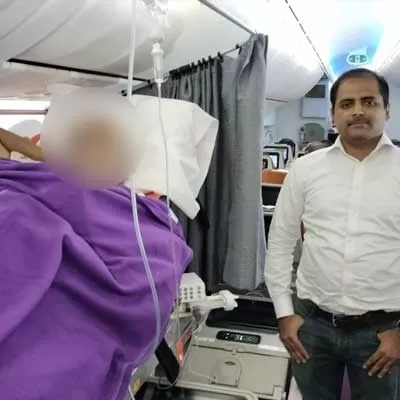
Travelling internationally after a diagnosis of Guillain-Barré syndrome (GBS) can require careful medical assessment and detailed planning. This neurological condition can cause muscle weakness, changes in sensation, mobility difficulties, and, in more serious cases, breathing complications. Although some patients gradually recover and may eventually be able to travel, the demands of a long-distance journey can be challenging during recovery.
Patients may need to travel abroad for rehabilitation, return home after hospital treatment, or reunite with family members. An international medical escort may provide practical assistance during a commercial flight when the patient is medically stable and suitable for this type of transport. Before making arrangements, families should work with the treating medical team to understand the patient’s current limitations and the level of support required.
Understanding Guillain-Barré Syndrome and Its Impact on International Travel
Guillain-Barré syndrome is a rare neurological disorder in which the immune system attacks peripheral nerves. Symptoms can develop over days or weeks and may include weakness, tingling, reduced reflexes, and difficulties with walking. Some patients experience significant complications affecting breathing, swallowing, heart rate, or blood pressure.
Recovery varies between individuals. During international travel, patients may face challenges such as:
Muscle weakness: Reduced strength can make walking, standing, and transferring between seats difficult.
Limited mobility: Some patients require wheelchairs or assistance with transfers.
Fatigue: Recovery may involve persistent tiredness, making long journeys more demanding.
Sensory changes: Tingling, numbness, or discomfort may affect the patient’s comfort during travel.
Respiratory concerns: Patients with a history of respiratory muscle weakness may need specialist assessment before flying.
Ongoing rehabilitation: Patients may require continued physiotherapy and follow-up care after reaching their destination.
The severity of these issues differs considerably. A patient’s current medical stability and functional abilities are more important to travel planning than the diagnosis alone.
Why Medical Escort Support May Be Beneficial
Patients recovering from Guillain-Barré syndrome may need assistance managing airport procedures, transfers, and the practical demands of a long flight. A medical escort may be appropriate when the patient is stable enough for commercial air travel but requires additional support.
Depending on the agreed service and the escort’s professional qualifications, assistance may include:
Supporting airport navigation and boarding arrangements.
Helping coordinate wheelchair assistance and mobility support.
Assisting with transfers when appropriate and safely arranged.
Supporting prescribed medication routines.
Observing the patient’s general condition within the escort’s professional scope.
Helping coordinate communication with family members and the receiving caregiver.
Supporting the agreed travel plan and arrival arrangements.
A medical escort does not replace hospital treatment or specialist medical transport. Patients who require continuous advanced monitoring, respiratory support beyond the available arrangements, or urgent medical intervention may need a different form of transport.
Preparing a Patient with Guillain-Barré Syndrome for International Travel
Planning should begin well before departure. The treating neurologist, rehabilitation team, airline, and medical escort provider may all need to contribute to the arrangements.
1. Obtain Medical Clearance
The treating clinician should assess the patient’s current condition, recent symptoms, respiratory function where relevant, mobility, and recovery progress.
Patients who have recently experienced severe weakness, breathing difficulties, swallowing problems, or significant fluctuations in blood pressure or heart rate may need additional evaluation before travel.
Medical clearance should reflect the specific flight, journey duration, and support available. Families should not assume that improvement in one symptom means the patient is automatically fit to fly.
2. Assess Mobility and Transfer Requirements
Some patients recovering from GBS can walk short distances but struggle with longer journeys. Others may depend on a wheelchair or need assistance transferring between a wheelchair and an aircraft seat.
Before booking, determine whether the patient can sit comfortably for the expected flight duration and what assistance is needed at departure, during boarding, and on arrival.
Request airport wheelchair services in advance. If the patient requires lifting assistance or specialist transfer equipment, confirm how these needs will be managed before travel.
3. Review Respiratory and Swallowing Needs
In more severe cases, Guillain-Barré syndrome can affect the muscles involved in breathing and swallowing. Patients with current or previous respiratory complications may require specific assessment by their treating team.
If the patient uses respiratory equipment or needs particular assistance with swallowing, discuss these requirements with the medical team and escort provider. Confirm the airline’s policies concerning medical devices, batteries, oxygen, and any necessary approvals.
Patients whose respiratory or swallowing function is unstable should not proceed with travel until the treating team has evaluated the risks and recommended an appropriate plan.
4. Organise Medication and Medical Records
Prepare a travel folder containing relevant medical information and keep it accessible throughout the journey.
Useful documents may include:
A recent medical summary.
Details of the Guillain-Barré syndrome diagnosis and treatment.
An updated medication list and allergy information.
Current mobility and assistance requirements.
Relevant rehabilitation recommendations.
Respiratory support instructions, if applicable.
Emergency contact details.
Medical fitness-to-fly documentation requested by the clinician or airline.
Carry prescribed medication in hand luggage where permitted and follow the treating clinician’s instructions regarding medication timing.
5. Plan Rehabilitation and Follow-Up Care
Recovery from GBS may require ongoing physiotherapy, occupational therapy, or other rehabilitation services.
Before departure, families should confirm that suitable follow-up care is available at the destination. If the patient needs assistance with daily activities, arrange for a family member, caregiver, or appropriate care provider to receive them.
The journey should be planned around the patient’s functional abilities rather than assuming they can manage independently once they arrive.
Managing Fatigue and Comfort During a Long Flight
Patients recovering from Guillain-Barré syndrome may have limited stamina and need additional time for routine activities.
The following measures may help make travel more manageable:
Allow extra time: Avoid rushing through airport procedures and transfers.
Arrange appropriate seating: Discuss positioning needs and seating arrangements with the airline in advance.
Plan movement and positioning: Follow the treating team’s advice about changing position and moving the legs during the flight, taking the patient’s mobility and medical condition into account.
Maintain medication routines: Keep prescribed medicines accessible and follow the agreed schedule.
Communicate comfort needs: Tell the escort provider about pain, sensory changes, fatigue, or positioning difficulties before departure.
Plan for assistance after landing: Arrange suitable transport from the airport and confirm that the receiving caregiver understands the patient’s needs.
These measures should be adapted to the patient’s condition. Patients with significant weakness or other complications may require a more specialised travel arrangement.
What Families Should Consider Before Booking
Before confirming an international journey, discuss the following questions with the treating medical team and escort provider:
Is the patient’s condition stable enough for a commercial flight?
Has respiratory function been assessed where necessary?
Can the patient sit comfortably for the expected journey duration?
Does the patient require a wheelchair or assistance with transfers?
Are swallowing difficulties or other complications present?
Are medications, medical records, and equipment requirements organised?
Is suitable rehabilitation or follow-up care available at the destination?
Is a commercial-flight medical escort appropriate, or does the patient require specialist medical transport?
Addressing these questions early helps families make informed decisions and reduce the risk of unsuitable arrangements.
When Should Travel Be Postponed?
Travel may need to be delayed if the patient has worsening weakness, new breathing difficulties, swallowing problems, unstable vital signs, or another unresolved medical complication.
Sudden or progressive weakness, significant difficulty breathing, or an inability to swallow safely requires prompt medical assessment. Severe breathing difficulty is a medical emergency.
Patients who are still in the acute phase of Guillain-Barré syndrome or whose condition is changing rapidly need careful evaluation by their treating team before any flight is considered.
A medical escort can provide assistance during an appropriate journey, but cannot make an unstable patient fit to fly.
How MedEscort International Can Help
MedEscort International assists patients and families who require support coordinating international medical travel. For suitable patients recovering from Guillain-Barré syndrome, a medical escort may help manage the practical demands of the journey and provide assistance according to the agreed service.
Support may include:
Discussing the patient’s medical and travel requirements with family members.
Coordinating airport assistance and boarding arrangements.
Helping families prepare relevant medical documentation.
Planning around mobility and comfort needs.
Coordinating practical arrangements with the receiving caregiver.
Providing escort assistance within the agreed professional scope.
Every case requires individual assessment. Suitability depends on the patient’s recovery, mobility, respiratory needs, equipment requirements, airline policies, and proposed route.
Contact MedEscort International
Phone: +91 9774900430
Website: medescortinternational.com
Contact MedEscort International to discuss the patient’s circumstances and explore suitable international travel arrangements.
Frequently Asked Questions
1. Can a patient with Guillain-Barré syndrome travel internationally by plane?
Some patients may be able to fly during recovery, but suitability depends on their medical stability, respiratory function, mobility, and ongoing complications. The treating medical team should assess the patient before travel.
2. How soon after Guillain-Barré syndrome can a patient fly?
There is no universal waiting period that applies to every patient. The appropriate timing depends on the severity of the illness, recovery progress, complications, and the treating clinician’s assessment.
3. Can a medical escort help a patient who cannot walk independently?
A medical escort may provide support within the agreed service, but the patient’s transfer and mobility needs must be assessed in advance. Wheelchair assistance, suitable seating, and any necessary transfer arrangements should be confirmed before departure.
4. Do patients recovering from Guillain-Barré syndrome need respiratory assessment before flying?
Patients with current or previous respiratory muscle weakness may require specific assessment. The treating clinician should determine whether additional evaluation, respiratory support, or other precautions are necessary.
5. What documents should families prepare?
Families should generally carry a recent medical summary, medication list, allergy information, relevant treatment and rehabilitation records, emergency contacts, and any medical fitness-to-fly documents required by the airline or clinician.
6. Can MedEscort International assist with medical repatriation after Guillain-Barré syndrome?
MedEscort International can discuss the patient’s condition and proposed journey to determine whether its medical escort service may be suitable. Arrangements depend on medical stability, mobility needs, the required level of care, airline policies, and route availability.
Final Thoughts
International travel after Guillain-Barré syndrome requires careful medical assessment, mobility planning, and coordination with the treating team. Reviewing respiratory needs, organising wheelchair assistance, preparing medical records, and confirming follow-up care can help families make informed decisions.
For patients who are medically stable but need additional support, an international medical escort may help make a long-distance journey more manageable. The priority is to choose a travel arrangement that reflects the patient’s recovery, medical requirements, and level of independence.
Medical disclaimer: This article is intended for general informational purposes only and does not replace professional medical advice, diagnosis, or treatment. Patients with Guillain-Barré syndrome should consult their treating healthcare professionals before making international travel arrangements.