


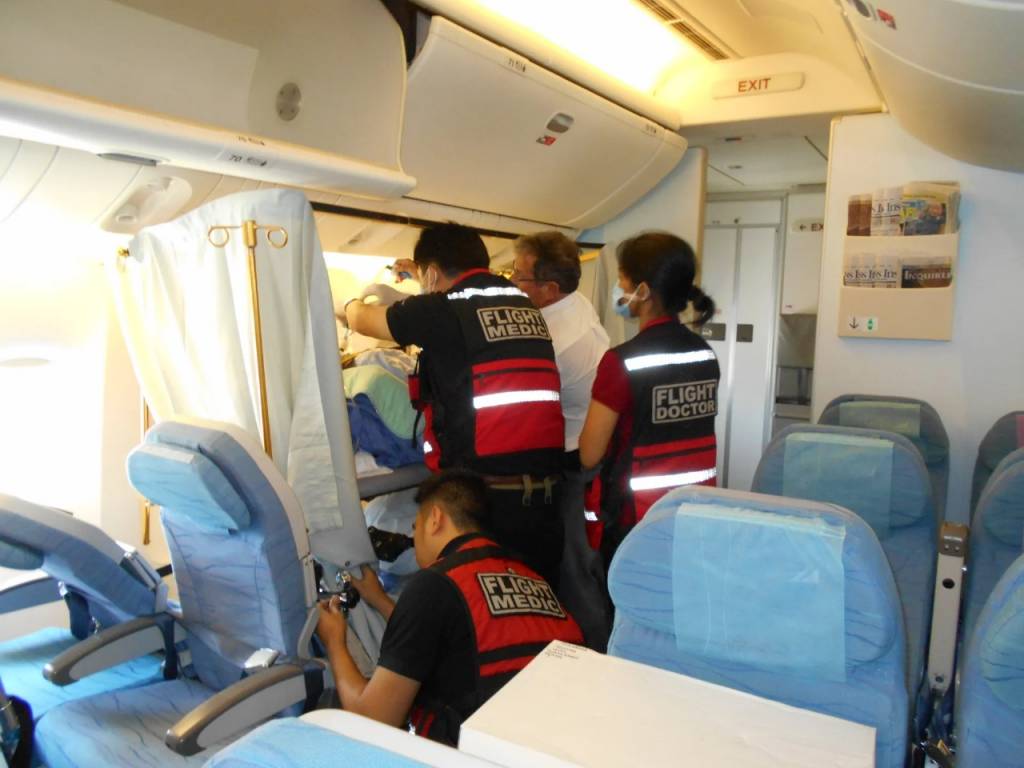
International air travel can require careful preparation for people living with liver cirrhosis. The condition affects the liver’s ability to perform important functions, including processing nutrients, producing proteins, and removing waste products from the blood. Depending on its severity, cirrhosis may cause fatigue, swelling, abdominal fluid accumulation, digestive problems, and other complications.
Some patients with liver cirrhosis need to travel internationally to return home after treatment, continue medical care, or reunite with family. For patients whose condition is stable and who have received appropriate medical clearance, an international medical escort may provide additional assistance during a commercial flight.
However, cirrhosis can involve serious complications. Travel suitability must be assessed individually by the treating medical team before flights are booked.
Understanding Liver Cirrhosis and Its Impact on International Travel
Liver cirrhosis develops when long-term liver damage causes scarring, which can interfere with normal liver function. Causes include chronic viral hepatitis, alcohol-related liver disease, metabolic dysfunction-associated steatotic liver disease, and certain other medical conditions.
Some people have compensated cirrhosis, meaning the liver still performs many essential functions despite scarring. Others develop decompensated cirrhosis, which can involve complications such as fluid accumulation, internal bleeding, or confusion caused by hepatic encephalopathy.
International travel may present additional challenges, including:
Fatigue and weakness: Patients may struggle with long airport walks and extended periods of sitting.
Abdominal swelling: Ascites, or fluid accumulation in the abdomen, can cause discomfort and breathing difficulties.
Leg swelling: Fluid retention may affect mobility and comfort.
Medication management: Some patients take several medicines that require careful scheduling.
Nutritional needs: Changes in meal timing and food availability may affect patients with specific dietary requirements.
Confusion or memory changes: Hepatic encephalopathy can affect awareness, behaviour, and the ability to follow travel instructions.
Bleeding risk: Some patients have an increased risk of bleeding due to complications of liver disease.
The risks vary considerably between individuals. A patient with stable disease may have very different travel requirements from someone experiencing active complications.
Why Medical Escort Support May Be Beneficial
Some patients with stable liver cirrhosis can travel independently after receiving medical advice. Others may need assistance because of fatigue, mobility limitations, medication requirements, or difficulties managing airport procedures.
Depending on the agreed service and the escort’s professional qualifications, support may include:
Assisting with airport check-in, security procedures, and boarding.
Coordinating wheelchair assistance where required.
Helping the patient navigate airport transfers.
Supporting prescribed medication routines according to the agreed care plan.
Helping communicate mobility and comfort requirements.
Coordinating arrival arrangements with family members or caregivers.
Providing assistance within the escort’s professional scope.
A medical escort can help manage the practical demands of a journey, but does not replace specialist liver care, hospital-level monitoring, or emergency treatment. Patients with unstable or serious complications may require treatment or a different level of medical transport.
7 Essential Tips for Preparing a Patient with Liver Cirrhosis for International Travel
1. Obtain Medical Clearance Before Booking
Before arranging an international flight, consult the patient’s hepatologist or treating physician.
The assessment should consider:
The underlying cause and severity of cirrhosis.
Whether the condition is compensated or decompensated.
Recent blood test results and relevant investigations.
Whether ascites or leg swelling is present.
Any history of gastrointestinal bleeding.
Whether hepatic encephalopathy has occurred.
Current medication and treatment requirements.
The duration of the proposed journey.
The treating clinician should determine whether the patient is fit to fly and whether additional precautions are needed.
2. Review Medication and Treatment Requirements
Patients with cirrhosis may take several medicines depending on their symptoms and complications. These may include medicines for fluid retention, hepatic encephalopathy, or other associated conditions.
Before departure:
Prepare an updated medication list.
Carry essential medicines in hand luggage where permitted.
Keep prescriptions and medical documentation accessible.
Discuss medication timing across time zones.
Confirm storage requirements for any temperature-sensitive medication.
Check destination-country regulations for prescription medicines.
Patients should not stop, adjust, or add medication without advice from their treating clinician.
It is also important to discuss what to do if a dose is delayed or missed during the journey.
3. Plan for Ascites and Fluid Retention
Ascites is the accumulation of fluid inside the abdomen and can cause swelling, discomfort, reduced mobility, and sometimes breathing difficulties.
Patients with ascites should discuss their travel plans with their medical team before departure.
Considerations may include:
Whether the fluid accumulation is adequately controlled.
Whether recent treatment or drainage has been required.
Whether abdominal discomfort affects sitting.
Whether breathing is comfortable while seated.
Whether the patient has been given specific fluid or dietary instructions.
Whether follow-up care is available after arrival.
Families should not independently change fluid intake, salt restrictions, or diuretic medication to prepare for a flight. These decisions should be guided by the treating clinician.
4. Prepare for Fatigue and Mobility Difficulties
Fatigue is common in people with chronic liver disease. Long airport corridors, queues, boarding procedures, and baggage collection may increase physical demands.
Families may consider arranging:
Wheelchair assistance at departure and arrival airports.
Additional time for airport transfers.
Assistance with luggage.
A suitable seat based on mobility needs.
Support during boarding and disembarkation.
Rest periods before and after the flight.
If the patient has severe weakness, dizziness, or difficulty standing, the treating clinician should reassess travel suitability.
5. Understand the Risk of Hepatic Encephalopathy
Hepatic encephalopathy is a complication of advanced liver disease that can affect brain function. Symptoms may include confusion, changes in sleep patterns, poor concentration, unusual behaviour, and reduced awareness.
These symptoms can make independent travel difficult and may indicate a need for urgent medical assessment.
Before travel, families should discuss:
Whether the patient has experienced hepatic encephalopathy.
Whether symptoms are currently controlled.
Whether the patient can understand and follow instructions.
Whether medication routines are being followed.
What warning signs require medical attention.
Patients with active confusion or altered consciousness should not proceed with commercial travel without urgent medical assessment.
6. Organise Medical Records and Emergency Information
Patients travelling internationally should carry relevant medical information in an organised and accessible format.
Useful documents may include:
A recent medical summary.
Diagnosis and treatment history.
Recent relevant blood test results.
Current medication list and prescriptions.
Details of allergies and other medical conditions.
Information about previous complications.
Treating physician’s contact details.
Emergency contact information.
Medical fitness-to-fly documentation if requested.
If the patient is returning home after hospital treatment, sharing medical records with the receiving healthcare provider can help support continuity of care.
7. Arrange Follow-Up Care at the Destination
Patients with cirrhosis may require regular monitoring and follow-up appointments. Families should confirm that appropriate medical care is available after arrival.
Before departure, check:
Who will meet the patient at the airport.
Whether ground transportation is suitable.
Whether wheelchair assistance is required.
Whether prescribed medication is available.
Whether a hepatologist or appropriate physician has been identified.
Whether follow-up appointments are arranged.
Whether the receiving caregiver understands the patient’s care needs.
Planning these arrangements in advance can help reduce unnecessary stress after a long flight.
Managing Comfort and Health During a Long Flight
Patients with liver cirrhosis may have individual needs depending on the severity of their condition. The following considerations should be discussed with the treating clinician:
Follow the prescribed medication schedule: Keep medicines accessible and take them as directed.
Arrange suitable seating: Consider mobility, abdominal discomfort, and the need for assistance when selecting seats.
Follow dietary instructions: Continue the dietary plan recommended by the healthcare professional.
Maintain appropriate hydration: Follow individual medical advice, especially if fluid restrictions or diuretic treatment are prescribed.
Avoid unnecessary physical strain: Arrange airport assistance if walking long distances is difficult.
Monitor changes in awareness: New confusion, unusual drowsiness, or behavioural changes require medical assessment.
Communicate assistance needs: Inform the airline and escort provider about relevant mobility or medical requirements.
These measures may improve travel comfort but cannot eliminate the risks associated with advanced liver disease.
What Families Should Consider Before Booking
Before arranging international travel for a patient with liver cirrhosis, families should consider the following questions:
Has the treating physician confirmed that the patient is fit to fly?
Is the cirrhosis compensated or decompensated?
Does the patient have ascites or significant swelling?
Has the patient experienced gastrointestinal bleeding?
Is hepatic encephalopathy present or controlled?
Are medication and dietary requirements clearly documented?
Does the patient need wheelchair or mobility assistance?
Is the patient able to sit comfortably during the flight?
Is appropriate medical follow-up available at the destination?
Is a medical escort suitable, or does the patient require a higher level of medical transport?
Discussing these points with the treating team can help families make informed decisions.
When Should Travel Be Postponed?
Commercial air travel may be unsuitable when a patient has unstable or serious complications of cirrhosis.
Medical assessment is particularly important if the patient has:
New or worsening confusion or altered consciousness.
Vomiting blood or passing black, tarry stools.
Severe or worsening abdominal pain.
Fever or suspected infection.
Significant breathing difficulties.
Severe dehydration or uncontrolled fluid problems.
Rapidly worsening weakness or general condition.
Vomiting blood, black stools, severe confusion, or significant breathing difficulties require urgent medical attention.
The treating clinician must determine whether the patient is medically suitable for travel. A medical escort cannot make an unstable patient fit to fly or replace hospital-level treatment.
How MedEscort International Can Help
MedEscort International supports patients and families who need assistance coordinating international medical travel. For suitable patients with liver cirrhosis, a medical escort may help manage the practical demands of the journey according to the patient’s condition and the agreed service.
Support may include:
Discussing the patient’s travel and assistance requirements with family members.
Coordinating airport assistance and boarding arrangements.
Helping organise relevant medical documentation.
Planning around medication routines and comfort requirements.
Assisting with airport navigation and transfers.
Coordinating arrival arrangements with the receiving caregiver.
Providing escort support within the agreed professional scope.
Each case requires individual assessment. Suitability depends on the severity and stability of liver disease, current complications, mobility, escort qualifications, airline policies, and the proposed route.
Contact MedEscort International
Phone: +91 9774900430
Website: medescortinternational.com
Contact MedEscort International to discuss the patient’s circumstances and explore suitable international travel arrangements.
Frequently Asked Questions
1. Can a person with liver cirrhosis travel internationally by plane?
Some patients with stable liver cirrhosis may be able to travel by air after receiving medical clearance. Suitability depends on disease severity, symptoms, complications, and the treating clinician’s assessment.
2. Is flying safe for patients with ascites?
It depends on the severity of ascites and whether it is adequately controlled. Patients should consult their treating physician to assess abdominal discomfort, breathing, fluid management, and overall fitness to fly.
3. Can patients with cirrhosis carry their medication on an international flight?
Patients should generally keep essential prescribed medicines in hand luggage where permitted, along with prescriptions and supporting medical documentation. They should also check airline and destination-country requirements.
4. Can hepatic encephalopathy affect international travel?
Yes. Hepatic encephalopathy can cause confusion, poor concentration, and changes in awareness. Patients with active symptoms need medical assessment before considering commercial air travel.
5. What medical documents should a cirrhosis patient carry?
Useful documents include a recent medical summary, medication list, prescriptions, relevant investigation reports, allergy information, treating physician details, and emergency contacts.
6. Can a medical escort assist a patient with advanced liver disease?
A medical escort may be appropriate for some patients who have been assessed as fit to fly. Patients with serious complications or a need for hospital-level monitoring may require a different transport arrangement.
7. Can MedEscort International help with medical repatriation for liver cirrhosis patients?
MedEscort International can discuss the patient’s condition and travel requirements to assess whether its escort service may be suitable. Arrangements depend on medical stability, the required level of care, airline policies, and the proposed route.
Final Thoughts
International travel with liver cirrhosis requires careful planning around medical stability, medication, fluid management, mobility, and the possibility of complications. Obtaining medical clearance, preparing relevant records, arranging airport assistance, and confirming follow-up care can help families make informed decisions.
For patients who have been assessed as fit to fly but need additional assistance, an international medical escort may help coordinate the practical aspects of a long-distance journey. The priority should always be the patient’s safety and access to appropriate medical care.
Medical Disclaimer: This article is intended for general informational purposes only and does not replace professional medical advice, diagnosis, or treatment. Patients with liver cirrhosis should consult their treating physician or hepatologist before making international travel arrangements.