


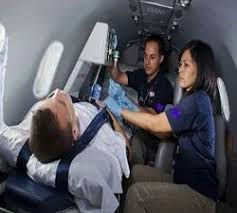
International travel can present communication challenges for people living with severe hearing loss or profound deafness. Busy airports, public announcements, security procedures, and unfamiliar environments can make navigating a long journey more difficult. Passengers who rely on hearing aids, cochlear implants, or other communication methods may need additional preparation before departure.
For patients who require assistance, an international medical escort may help coordinate travel arrangements and provide agreed support throughout the journey. With suitable planning, communication preferences, medical requirements, and destination arrangements can be addressed before travelling.
Understanding Severe Hearing Loss and Its Impact on Travel
Severe hearing loss can make it difficult to understand speech, follow announcements, and communicate in noisy environments. Some people use hearing aids or cochlear implants, while others rely on lip-reading, sign language, written communication, or a combination of methods.
During international travel, common challenges may include:
Understanding airport announcements.
Communicating with airline and security personnel.
Following last-minute gate or boarding changes.
Explaining medical needs to unfamiliar staff.
Managing hearing devices and their accessories.
Communicating during unexpected delays or emergencies.
Every person’s communication preferences are different. Travel arrangements should be based on the patient’s individual needs rather than assumptions about how they communicate.
Why Medical Escort Support May Be Helpful
Patients with hearing loss may benefit from additional assistance when travelling alone is difficult, particularly when they also have mobility limitations, other medical conditions, or complex travel requirements.
Depending on the patient’s needs and the agreed service, a medical escort may assist with:
Coordinating airport procedures and transfers.
Supporting communication with airline personnel.
Helping organise medical documents and travel information.
Assisting with general travel arrangements.
Coordinating with family members and receiving caregivers.
Helping the patient access relevant information during the journey.
A medical escort should understand the patient’s preferred communication method. Medical escort support does not automatically include professional sign-language interpretation or specialist hearing care unless these services are specifically arranged.
7 Important Tips for Travelling Internationally with Severe Hearing Loss
1. Discuss Travel Requirements with Your Healthcare Provider
Before booking an international flight, patients with significant hearing impairment should discuss any relevant medical concerns with their healthcare provider.
This is particularly important for people who have recently undergone ear surgery, experience balance problems, or have other associated health conditions.
The clinician can advise whether any additional precautions or medical documentation are required.
2. Carry Hearing Devices and Essential Accessories
Patients who use hearing aids or cochlear implants should prepare their equipment before departure.
Depending on the device, useful items may include:
Hearing aids or cochlear implant processors.
Spare batteries or approved charging equipment.
Device chargers and cables.
Protective storage cases.
Cleaning and maintenance accessories.
Relevant device documentation.
Keep essential equipment in hand luggage and check airline rules for batteries and electronic devices.
3. Prepare a Communication Card
A written communication card can be useful when interacting with airport staff or other travellers.
It may include:
The patient’s preferred communication method.
Whether they use hearing aids or a cochlear implant.
Whether written communication is preferred.
Emergency contact details.
Any important medical information.
A simple card explaining that the passenger has severe hearing loss can help others communicate more effectively.
4. Inform the Airline Before Departure
Contact the airline before travelling if the passenger requires additional assistance.
Ask about available support for passengers with hearing impairment, including:
Visual flight and boarding announcements.
Assistance during gate changes.
Boarding support.
Emergency communication procedures.
Accessibility arrangements.
Do not rely only on audio announcements. Confirm how important information will be communicated to the passenger.
5. Plan for Airport Security and Device Checks
Passengers who use hearing aids or cochlear implants should understand how their devices may be handled during security screening.
Procedures can vary depending on the airport and equipment.
Before departure:
Carry device identification or supporting documentation if available.
Ask the device manufacturer about screening precautions.
Inform security staff about implanted or external equipment.
Follow instructions from airport personnel.
Keep essential device accessories accessible.
Patients should not remove or switch off medical devices unless advised by the relevant professional or required by the device instructions.
6. Agree on a Clear Communication Method with the Escort
Before the journey, discuss how the patient prefers to communicate.
Possible methods include:
Written notes or a communication notebook.
Text messages on a mobile phone.
Lip-reading, where appropriate.
Sign language, if understood by both parties.
Visual reminders and written travel instructions.
If professional sign-language interpretation is required, this should be arranged separately with a suitably qualified interpreter.
7. Arrange Support at the Destination
Communication arrangements should continue after the flight.
Before departure, confirm:
Who will meet the patient at the airport.
How the patient will communicate with the receiving caregiver.
Whether suitable accommodation is available.
Whether hearing-device support or specialist care is needed.
How the patient will reach their final destination.
Share the patient’s preferred communication method with the receiving caregiver in advance.
Managing Comfort During a Long International Flight
Long flights can be tiring, especially when passengers must remain alert to unfamiliar announcements and instructions.
The following arrangements may help:
Keep hearing devices and accessories accessible.
Inform cabin crew about the preferred communication method.
Request written or visual information where available.
Keep a mobile phone charged for text communication.
Store important travel details in an easily accessible format.
Allow additional time for airport transfers.
Follow medical advice regarding hearing devices and associated conditions.
Passengers who experience dizziness or balance difficulties should discuss these symptoms with their healthcare provider before travelling.
What Families Should Consider Before Booking a Medical Escort
Families should explain the patient’s communication and medical needs before confirming an escort service.
Important considerations include:
The patient’s level of hearing impairment.
Preferred communication method.
Use of hearing aids or cochlear implants.
Any recent ear surgery or associated balance problems.
The escort’s qualifications and professional scope.
Whether a sign-language interpreter is required.
Airline accessibility arrangements.
Ground transportation and receiving support.
Families should also determine whether the patient is suitable for a commercial flight with an escort or requires specialist medical transport for other medical reasons.
When Should Travel Be Postponed?
Travel should be reconsidered if the patient has an acute medical problem or is not medically stable.
Seek medical assessment before departure if the patient experiences:
Sudden unexplained hearing loss.
Severe or persistent dizziness.
New neurological symptoms.
Significant ear pain or suspected infection.
Recent ear surgery without medical clearance.
Other serious health complications.
Sudden hearing loss requires prompt medical assessment. Severe dizziness accompanied by weakness, difficulty speaking, or other neurological symptoms requires urgent medical attention.
The treating clinician should determine whether the patient is fit to fly and whether additional support is necessary.
How MedEscort International Can Help
MedEscort International assists patients and families with international medical travel and repatriation arrangements.
Depending on the patient’s condition and agreed service, our team may help coordinate medical escort support, travel preparation, airport assistance, and communication with family members and receiving caregivers.
Each journey is assessed individually, taking into account medical stability, communication preferences, equipment requirements, airline policies, and destination arrangements.
Planning international travel for someone with severe hearing loss?
Contact MedEscort International to discuss the patient’s travel requirements.
Phone: +91 9774900430
Email: alan@medescortinternational.com
Website: medescortinternational.com
Frequently Asked Questions
1. Can someone with severe hearing loss travel internationally?
Many people with severe hearing loss can travel internationally. Suitability depends on their overall health, any associated medical conditions, and individual travel requirements.
2. Can I wear hearing aids during a flight?
Passengers can generally continue using hearing aids during flights. However, they should follow their device manufacturer’s instructions and any relevant airline guidance.
3. Should I inform the airline about my hearing impairment?
Yes. Informing the airline in advance can help arrange suitable accessibility support and clarify how boarding announcements and important information will be communicated.
4. Can a medical escort communicate with a deaf passenger?
A medical escort may provide communication assistance using agreed methods such as written notes or text messages, depending on their abilities and the agreed service. Professional sign-language interpretation should be arranged when required.
5. What should passengers with cochlear implants carry?
Passengers should carry their external processors, chargers, spare batteries where applicable, protective cases, and relevant device information. Airline and manufacturer guidance should be checked before departure.
Final Thoughts
International travel with severe hearing loss requires more than booking a flight. Communication planning, accessible travel information, hearing-device preparation, and suitable airport assistance can help passengers navigate unfamiliar environments with greater confidence.
For patients who are medically stable and approved to fly, an international medical escort may provide useful assistance with travel coordination and agreed support. Every arrangement should reflect the patient’s communication preferences, individual medical needs, and professional advice.
Medical Disclaimer: This article is for general informational purposes only and does not replace professional medical advice, diagnosis, or treatment. Patients should consult their healthcare provider when they have medical concerns before travelling. Commercial medical escort services are different from specialist air ambulance services and cannot replace hospital-level care.