


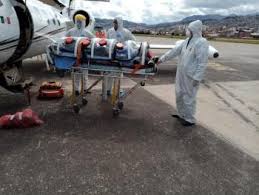
International travel for people living with a stoma requires thoughtful preparation. Long flights, changes in routine, unfamiliar toilets, and limited access to familiar medical supplies can make travelling more challenging. Patients who have undergone a colostomy, ileostomy, or urostomy may need to plan carefully to manage their stoma throughout the journey.
For patients who require additional assistance, an international medical escort may help coordinate travel arrangements and provide agreed support during the journey. Understanding individual care needs, preparing essential supplies, and obtaining medical advice are important steps towards a more manageable travel experience.
Understanding Life with a Stoma
A stoma is a surgically created opening on the abdomen that allows waste to leave the body. A pouch or collection system is usually attached to collect stool or urine, depending on the type of stoma.
Common types include:
Colostomy: An opening created from the large intestine.
Ileostomy: An opening created from the small intestine.
Urostomy: An opening that allows urine to pass through a surgically created opening.
People with a stoma can often continue many everyday activities, including travelling. However, their individual needs may vary depending on the type of surgery, recovery progress, stoma function, and other medical conditions.
Why Medical Escort Support May Be Helpful
Some patients may need additional support when travelling internationally, particularly after recent surgery or when they have mobility limitations or complex care requirements.
Depending on the patient’s needs, escort qualifications, and agreed service, support may include:
Coordinating airport procedures and transfers.
Helping organise medical documents and prescribed supplies.
Assisting with communication with airline personnel.
Supporting mobility and general travel arrangements.
Coordinating with family members and receiving caregivers.
Helping ensure essential care items remain accessible.
A medical escort does not automatically provide specialist stoma nursing care. Any clinical assistance must remain within the escort’s qualifications and agreed professional scope.
7 Essential Tips for Travelling Internationally with a Stoma
1. Obtain Medical Clearance Before Booking
Before arranging an international journey, consult the patient’s surgeon, stoma nurse, or treating clinician.
The assessment should consider:
Whether the patient has recovered sufficiently from surgery.
Whether the stoma is functioning as expected.
Whether there are any wound-healing concerns.
Whether the patient has pain or other complications.
Whether the patient is medically fit to fly.
Patients who have recently undergone surgery should not assume that they are ready for air travel. The treating clinician should determine when travel is appropriate.
2. Pack Enough Stoma Supplies
Access to familiar stoma products may be limited during international travel. Carry sufficient supplies for the entire journey and allow extra for unexpected delays.
Depending on the patient’s usual care routine, supplies may include:
Stoma pouches and replacement systems.
Skin barrier products.
Adhesive removers.
Cleaning wipes and disposal bags.
Spare clothing.
Any prescribed skin-care products.
Keep essential supplies in hand luggage where airline regulations permit. Check baggage rules and restrictions on liquids before departure.
3. Plan for Stoma Changes During the Flight
Changes in routine, meals, and travel conditions may affect bowel activity and stoma output.
Patients should discuss their usual management routine with their stoma nurse before travelling.
Practical preparation may include:
Identifying accessible toilets at airports.
Choosing suitable seating where possible.
Keeping replacement supplies within easy reach.
Allowing enough time for personal care.
Carrying disposal bags and cleaning materials.
Avoid making major changes to diet or stoma management without professional advice.
4. Stay Hydrated and Follow Dietary Advice
Hydration is particularly important for some patients, especially those with an ileostomy, who may be at greater risk of dehydration when output is high.
Before travelling, ask the treating clinician or stoma nurse about suitable fluid intake and dietary precautions.
Patients should pay attention to symptoms such as unusual thirst, dizziness, reduced urination, or unusually high stoma output. These may require medical assessment.
Do not use general travel advice as a substitute for an individual hydration plan.
5. Arrange Suitable Airport and Seating Assistance
Walking long distances, standing in queues, and carrying luggage may be difficult for patients recovering from surgery or managing other health conditions.
Consider arranging:
Airport wheelchair assistance if needed.
Additional time for check-in and security.
Convenient seating arrangements.
Assistance with luggage.
Suitable ground transportation at both ends of the journey.
If the patient needs help with personal care, discuss the required level of assistance with the escort provider before confirming the service.
6. Carry Medical Documents and Essential Information
Keep important medical information accessible throughout the journey.
Useful documents may include:
A medical summary.
Details of the stoma surgery.
Current medication list.
Information about allergies.
Treating clinician’s contact details.
Any relevant travel or equipment documentation.
A brief written explanation of the patient’s stoma supplies and care requirements may also help when communicating with airline staff or healthcare professionals.
7. Coordinate Care at the Destination
Before departure, confirm that the patient will have access to appropriate supplies and support after arrival.
Families should consider:
Availability of the patient’s usual stoma products.
Access to a stoma nurse or healthcare provider.
Ground transportation from the airport.
Accommodation with suitable bathroom facilities.
Assistance from family members or caregivers.
Sharing the patient’s care routine with the receiving caregiver can help maintain continuity after arrival.
Managing Comfort During a Long International Flight
Long-distance flights can be tiring, particularly for patients who need regular stoma care or are still recovering from surgery.
A few practical arrangements may make the journey more manageable:
Keep essential stoma supplies in hand luggage.
Wear comfortable clothing that does not place unnecessary pressure on the stoma.
Follow the usual pouch-care routine.
Keep prescribed medication accessible.
Follow individual dietary and hydration advice.
Request assistance when moving through the airport.
Allow enough time for rest and personal care.
Patients should follow their stoma nurse’s or treating clinician’s recommendations throughout the journey.
What Families Should Consider Before Booking a Medical Escort
Every patient has different care requirements. Before arranging an international medical escort, families should discuss:
The type of stoma and the patient’s usual care routine.
Whether the patient has recently undergone surgery.
Any current complications or additional medical conditions.
The level of personal-care assistance required.
The escort’s qualifications and professional scope.
Airline requirements and airport assistance.
Availability of stoma supplies at the destination.
Receiving arrangements and ongoing care.
Families should also establish whether a commercial flight with an escort is suitable or whether specialist medical transport is required.
When Should Travel Be Postponed?
Travel should be reconsidered if the patient has not recovered sufficiently or is experiencing an acute medical problem.
Seek medical assessment before travel if the patient experiences:
Severe or worsening abdominal pain.
Persistent vomiting.
Unusually high stoma output.
Signs of dehydration.
Significant bleeding from the stoma.
A stoma that becomes unusually dark, pale, or discoloured.
Abdominal swelling or suspected bowel obstruction.
Fever or signs of infection around the stoma.
Severe abdominal pain, persistent vomiting, significant bleeding, or a major change in stoma colour may require urgent medical attention. Do not attempt to travel until the treating clinician has assessed the situation.
How MedEscort International Can Help
MedEscort International assists patients and families with international medical travel and repatriation arrangements.
Depending on the patient’s condition and agreed service, our team may help coordinate medical escort support, travel preparation, airport assistance, and communication with family members and receiving caregivers.
Each journey is assessed individually, taking into account medical stability, mobility, stoma-care requirements, airline policies, and destination arrangements.
Planning international travel for someone living with a stoma?
Contact MedEscort International to discuss the patient’s travel requirements.
Phone: +91 9774900430
Email: alan@medescortinternational.com
Website: medescortinternational.com
Frequently Asked Questions
1. Can a person with a stoma travel internationally by aeroplane?
Many people with a stoma can travel internationally. Suitability depends on recovery from surgery, stoma function, overall health, and assessment by the treating clinician.
2. Can I carry stoma supplies in hand luggage?
Passengers should generally keep essential stoma supplies accessible during the journey. Check the airline’s baggage and security requirements, particularly for liquids, gels, and medical products.
3. Does flying affect a stoma?
Changes in cabin pressure may contribute to increased gas in the digestive system for some patients. Individual experiences vary. Patients should discuss any concerns with their stoma nurse before travelling.
4. Can a medical escort help with stoma care?
A medical escort may assist with agreed travel and care-related support, depending on their qualifications and professional scope. Specialist stoma care should be provided by an appropriately qualified healthcare professional.
5. What should an ileostomy patient consider before a long flight?
Patients with an ileostomy should discuss hydration, stoma output, dietary requirements, and supplies with their treating clinician or stoma nurse. A personalised plan is important, particularly for patients who have experienced high output or dehydration.
Final Thoughts
International travel with a stoma is possible for many patients, but preparation is essential. Medical clearance, sufficient supplies, hydration planning, accessible seating, and suitable arrangements at the destination can help reduce avoidable difficulties.
For patients who are medically stable and approved to fly, an international medical escort may provide useful assistance with travel coordination and agreed support. Every journey should be planned around the patient’s individual medical needs and professional clinical advice.
Medical Disclaimer: This article is for general informational purposes only and does not replace professional medical advice, diagnosis, or treatment. Patients should consult their treating clinician or stoma nurse before travelling. Commercial medical escort services are different from specialist air ambulance services and cannot replace hospital-level care.