


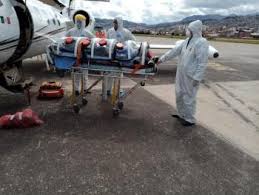
Arranging international travel for someone with a medical condition can be complicated. Patients may need assistance moving between hospitals, returning home after treatment abroad or travelling to another country for specialised healthcare.
When travelling independently is not appropriate, a medical escort may provide professional assistance throughout the journey. However, arranging this service involves more than booking a flight and finding someone to accompany the patient.
Understanding the process can help families make informed decisions, prepare the necessary documents and coordinate a suitable journey.
What Is an International Medical Escort?
An international medical escort is a qualified healthcare professional who accompanies a patient during travel between countries and provides agreed medical assistance within their professional scope.
Depending on the patient’s requirements, the service may include:
Reviewing available medical information.
Coordinating with the treating healthcare team.
Planning suitable travel arrangements.
Providing agreed medical support during the journey.
Assisting with airport and ground transfers.
Coordinating the handover at the destination.
A medical escort may accompany eligible patients on commercial flights. Patients who require intensive care, advanced life support or continuous hospital-level treatment may need an air ambulance or another specialised transport option.
8 Steps to Arrange an International Medical Escort
1. Identify the Patient’s Travel Requirements
The first step is understanding why the patient needs to travel and what assistance will be required.
Consider the following questions:
Is the patient travelling home after receiving treatment abroad?
Are they being transferred to another hospital?
Can they sit upright during a commercial flight?
Do they need assistance with mobility?
Will they require medical support during the journey?
Are they travelling alone or with a family member?
These details help determine the type of transport and escort service that may be appropriate.
2. Collect the Patient’s Medical Information
The medical escort provider will need relevant information to assess the patient’s requirements.
Useful documents may include:
Recent medical reports.
Current diagnosis and treatment summary.
Medication list.
Relevant investigation results.
Recent discharge summary, if available.
Treating doctor’s recommendations.
Details of any medical equipment or mobility assistance required.
Accurate information is important because the patient’s condition may influence flight suitability, transport arrangements and the level of support needed.
3. Arrange a Medical Assessment
Before confirming travel, the patient’s medical condition should be reviewed by an appropriate treating clinician.
The assessment helps establish whether the patient can travel on a commercial flight and what support may be necessary.
Important considerations include:
Current medical stability.
Ability to remain seated during the flight.
Mobility and transfer requirements.
Need for oxygen or other medical equipment.
Risk of deterioration during travel.
Requirements for monitoring or assistance.
A medical escort provider can help coordinate the information needed for planning, but the treating clinician and airline requirements must be considered when determining fitness to fly.
4. Choose the Appropriate Transport Option
Not every patient can travel using the same transport arrangement.
Depending on the assessment, possible options may include:
| Transport Option | Potentially Suitable For |
|---|---|
| Commercial flight without an escort | Passengers who can travel independently |
| Commercial flight with a non-medical escort | Passengers needing practical assistance and companionship |
| Commercial flight with a medical escort | Eligible patients requiring professional medical support during travel |
| Air ambulance | Patients requiring specialised medical transport and a higher level of care |
The decision should be based on the patient’s clinical needs, mobility, travel distance and available transport arrangements.
5. Confirm Airline Requirements
Airlines have specific procedures for passengers who need medical assistance.
Depending on the patient’s condition, the airline may request medical documentation or a completed medical information form.
Families should confirm:
Whether medical clearance is required.
Whether the patient can travel in a standard seat.
Whether a stretcher arrangement is necessary.
Whether oxygen or medical equipment is permitted.
Whether additional seating or assistance must be arranged.
Whether an accompanying healthcare professional is required.
Requirements vary between airlines, so these arrangements should be checked before purchasing or confirming tickets.
6. Plan Airport and Ground Transportation
International medical travel involves several stages beyond the flight itself.
A patient may need assistance travelling:
From the hospital to the departure airport.
Through airport check-in and security procedures.
Between the airport terminal and aircraft.
From the arrival airport to the receiving hospital or accommodation.
Ground transportation should match the patient’s mobility and medical requirements. A standard vehicle may not be appropriate for someone who requires a wheelchair, stretcher or specialised patient transport.
7. Prepare Travel Documents and Medical Supplies
Before departure, ensure that the necessary documents and arrangements are ready.
A preparation checklist may include:
Passport and applicable travel documents.
Flight booking and airline approvals.
Medical reports and prescriptions.
Medication required during the journey.
Relevant insurance documents.
Contact details for the treating and receiving healthcare teams.
Approved medical equipment, where required.
Emergency contact information.
Medication and medical equipment should be checked against airline, airport security and destination-country requirements.
8. Confirm the Journey and Patient Handover
Before travel, all parties should understand the agreed arrangements.
This may involve confirming:
Departure and arrival timings.
Escort responsibilities.
Ground transfer details.
Medical support arrangements.
Communication with family members.
Receiving hospital or destination contact.
Handover arrangements at arrival.
A clear handover helps ensure that relevant information is communicated to the receiving healthcare team.
How Long Does It Take to Arrange an International Medical Escort?
The time required depends on the patient’s condition, destination, airline requirements and availability of suitable transport.
Some arrangements may be relatively straightforward, while others require additional medical documentation, airline approval, specialised equipment or coordination between hospitals.
For this reason, families should contact a medical escort provider as early as possible rather than waiting until the intended departure date.
What Information Should You Provide When Requesting a Quote?
Providing complete information can help a service provider understand the journey and discuss suitable arrangements.
| Information | Details to Provide |
|---|---|
| Patient’s condition | Diagnosis and current medical status |
| Current location | Hospital, city and country |
| Destination | City and country |
| Proposed travel date | Preferred departure date |
| Mobility | Walking, wheelchair or stretcher requirements |
| Medical support | Monitoring, oxygen or other assistance required |
| Travel documents | Available medical reports and airline forms |
| Family contact | Name and contact details of the responsible person |
The provider may request additional information after reviewing the initial details.
Common Mistakes to Avoid When Arranging Medical Travel
International medical travel can involve many organisations. Avoiding common mistakes can make the process easier to manage.
Booking flights before checking medical suitability: Confirm the patient’s travel requirements and airline rules before finalising tickets.
Providing incomplete medical information: Missing reports or inaccurate details may delay planning.
Ignoring ground transportation: The patient may need specialised transport at both departure and arrival.
Assuming every escort provides the same service: Confirm the escort’s qualifications and exact responsibilities.
Leaving arrangements until the last minute: Airline approval, documentation and transport coordination may take time.
Not planning the arrival handover: Make sure the receiving hospital or destination contact is informed about the expected arrival.
Frequently Asked Questions
1. How do I arrange a medical escort for international travel?
Contact a medical escort provider with the patient’s medical details, current location, destination and preferred travel date. The provider can review the requirements and discuss suitable arrangements.
2. Can I arrange a medical escort for a family member?
Yes. Family members can usually make an initial enquiry on behalf of a patient. The patient’s consent and relevant medical information may be required to proceed.
3. Can a medical escort accompany a patient on a commercial flight?
Yes, if the patient is considered suitable for commercial air travel and the airline’s requirements are met.
4. What documents are required for an international medical escort?
Documents may include medical reports, a discharge summary, medication details, travel documents and airline medical forms. Exact requirements depend on the patient’s condition and travel arrangements.
5. Can a medical escort collect a patient from a hospital?
A medical escort service may include accompanying a patient from a hospital, subject to hospital procedures and the agreed transport arrangements.
6. How much does an international medical escort cost?
The cost depends on the route, travel duration, escort qualifications, medical requirements, flights and ground transportation. A provider can discuss pricing after reviewing the journey details.
7. Can a medical escort arrange the patient’s entire journey?
Some providers can coordinate several parts of the journey, including medical assessment information, flights, airport assistance and ground transfers. Confirm which services are included before booking.
8. What happens if the patient’s condition changes before departure?
The patient’s condition should be reassessed by the treating healthcare team. Travel may need to be delayed or the transport plan changed if the patient is no longer suitable for the original arrangement.
Arrange International Medical Escort Support With MedEscort International
Organising international medical travel requires careful planning, reliable communication and an understanding of the patient’s individual needs.
MedEscort International helps patients and families explore medical escort arrangements for international journeys and patient transfers. Our team can discuss the travel requirements and the information needed to plan the next steps.
If you are arranging travel for a loved one who needs professional assistance, contact us to discuss the journey.
Phone: +91 9774900430
Email: alan@medescortinternational.com
Website: MedEscort International
Contact MedEscort International today to discuss your international medical travel requirements.