


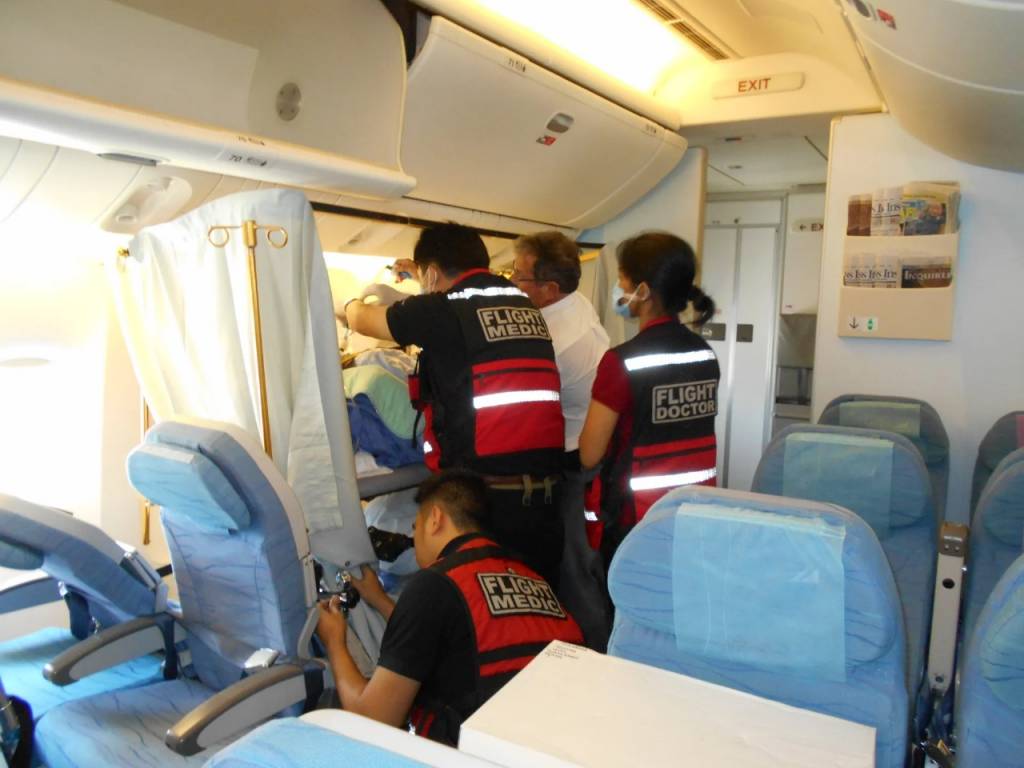
When a patient needs to travel a long distance for medical treatment or return home after hospitalisation abroad, an air ambulance may be considered. It provides specialised medical transportation for patients who cannot safely travel using ordinary commercial flights.
However, arranging an international air ambulance can involve significant costs. Families often want to understand why prices vary and what is included in a medical flight quotation.
The air ambulance cost is not determined by distance alone. Aircraft availability, medical requirements, flight permissions and ground transportation can all influence the final price.
This guide explains nine important factors that affect international air ambulance pricing.
What Is an Air Ambulance?
An air ambulance is an aircraft configured and operated to transport patients who require medical support during a flight.
Depending on the patient’s condition and the service, it may include:
A medically equipped aircraft.
A qualified medical team.
Patient monitoring equipment.
Medical supplies and equipment appropriate to the care plan.
Coordination with the treating and receiving hospitals.
Ground ambulance transfers.
Air ambulances are generally considered when a patient’s medical requirements cannot be appropriately met through standard commercial air travel or a commercial flight with a medical escort.
9 Factors That Affect Air Ambulance Cost
1. Flight Distance and Route
The distance between the departure and destination locations is one of the main factors affecting the cost.
Longer journeys generally require more flight time, fuel and operational planning. International routes may also involve additional considerations, such as airspace permissions and technical stops.
For example, a transfer between two nearby countries may have different operational requirements from a long-distance intercontinental medical flight.
The actual route matters because aircraft availability, airport access and permitted flight paths can influence the journey.
2. Type of Aircraft Required
Different aircraft have different operating costs and capabilities.
The appropriate aircraft depends on factors such as:
Distance to be travelled.
Patient’s medical condition.
Required medical equipment.
Number of medical personnel.
Airport runway and landing requirements.
Aircraft availability.
A suitable aircraft must be selected according to the patient’s needs and operational requirements, rather than price alone.
3. Patient’s Medical Condition
The patient’s medical condition has an important influence on the overall arrangement.
Some patients may require relatively straightforward medical transportation, while others need more complex support.
Factors may include:
Level of medical stability.
Need for continuous monitoring.
Respiratory support requirements.
Mobility and transfer needs.
Risk of deterioration during the journey.
Need for specialist medical personnel.
A more complex medical requirement may involve additional equipment, personnel and planning.
4. Medical Team Requirements
An air ambulance journey generally requires a medical team appropriate to the patient’s condition.
Depending on the care plan, this may involve doctors, nurses, paramedics or other qualified professionals.
The number and type of medical personnel required can affect the quotation because of staffing, travel and operational arrangements.
The medical team should be selected based on the patient’s individual clinical needs.
5. Medical Equipment and Supplies
The aircraft may need specific equipment and supplies to support the patient during transport.
Depending on the agreed medical plan, requirements may include:
Patient monitoring equipment.
Oxygen delivery systems.
Ventilatory support equipment.
Infusion equipment.
Emergency medical supplies.
Specialised patient transport equipment.
Not every patient requires the same equipment. The necessary configuration depends on the clinical assessment and the capabilities of the aircraft.
6. Ground Ambulance Transfers
An air ambulance journey usually involves more than the flight itself.
The patient may need transportation from the current hospital to the departure airport and from the arrival airport to the receiving hospital.
These arrangements may involve:
Standard ambulance transportation.
Advanced patient transport.
Stretcher transfers.
Hospital-to-hospital coordination.
Medical personnel accompanying the patient on the ground.
Ground ambulance arrangements may be quoted separately or included in a combined package. Families should confirm this before making a decision.
7. Flight Permissions and International Regulations
International medical flights require operational coordination.
Depending on the countries and route involved, arrangements may include:
Overflight permissions.
Landing permissions.
Airport handling.
Customs and immigration coordination.
Medical documentation.
International transport requirements.
The time and resources required to obtain these approvals can influence the overall cost and scheduling.
8. Aircraft Availability and Scheduling
Air ambulance aircraft are not available in every location at all times.
The final price may depend on:
Aircraft positioning.
Availability of the required medical team.
Departure airport access.
Scheduling restrictions.
The need for an aircraft to travel empty to collect the patient.
The possibility of combining operational sectors.
An aircraft may need to travel from another location before collecting the patient. This positioning flight can contribute to the total cost.
9. Additional Operational Expenses
International medical flights can involve other expenses beyond the aircraft and medical team.
Depending on the journey, these may include:
Airport handling charges.
Fuel-related costs.
Landing fees.
Ground support.
Medical equipment preparation.
Crew accommodation or operational expenses.
Additional flight planning requirements.
The quotation should explain which expenses are included and whether any additional charges may apply.
What Is the Average Cost of an International Air Ambulance?
There is no single fixed price for an international air ambulance.
The quotation depends on the departure and destination locations, aircraft availability, medical requirements, flight duration and operational arrangements.
A short regional transfer may have a very different cost from a long-distance international flight.
For this reason, families should request an individual quotation based on the patient’s medical information and intended route rather than relying on a general online estimate.
Air Ambulance vs Medical Escort: Which Is More Cost-Effective?
An air ambulance and a medical escort on a commercial flight serve different patient requirements.
| Feature | Air Ambulance | Medical Escort on Commercial Flight |
|---|---|---|
| Aircraft | Dedicated medical aircraft | Scheduled commercial airline |
| Medical support | Configured according to the patient’s transport care plan | Provided by the accompanying qualified professional within their scope |
| Patient suitability | May accommodate patients requiring specialised medical transport | Suitable only for patients who meet commercial flight requirements |
| Flight schedule | Planned around the medical transfer | Depends on commercial airline schedules |
| Equipment | Can carry specialised medical equipment appropriate to the aircraft | Subject to airline approval and available arrangements |
| Cost | Generally higher due to dedicated aircraft operations | May be less expensive for suitable patients |
A medical escort on a commercial flight may be an option for eligible patients who need professional support but do not require a dedicated medical aircraft.
However, the cheapest option is not automatically the safest or most appropriate. The patient’s medical condition should determine the transport method.
Does Health Insurance Cover Air Ambulance Costs?
Insurance coverage varies between providers and policies.
Some policies may include emergency medical evacuation or air ambulance benefits, while others may exclude international medical transportation or impose specific limits.
Before arranging a flight, families should check:
Whether international medical evacuation is covered.
Whether pre-authorisation is required.
Whether the destination is covered.
Whether the insurer must approve the medical transport provider.
What documentation is required.
Whether ground ambulance transfers are included.
Whether there are maximum coverage limits.
Always obtain confirmation from the insurer before assuming that the cost will be reimbursed.
How to Request an Accurate Air Ambulance Quotation
To receive a quotation that reflects the patient’s actual requirements, provide the following information:
| Information Required | Details |
|---|---|
| Patient’s condition | Diagnosis and current medical status |
| Current location | Hospital, city and country |
| Destination | Receiving hospital, city and country |
| Travel date | Preferred departure date |
| Mobility | Walking, wheelchair or stretcher requirements |
| Medical support | Monitoring, oxygen or ventilation requirements |
| Medical documents | Recent reports and treating doctor’s recommendations |
| Family contact | Contact details of the responsible person |
The provider may request additional information before confirming the aircraft, medical team and transport plan.
Frequently Asked Questions
1. How much does an international air ambulance cost?
There is no universal price. The cost depends on the route, aircraft, patient condition, medical team, equipment and operational requirements. An individual quotation is needed.
2. Why are air ambulances expensive?
Air ambulances involve dedicated aircraft operations, qualified medical personnel, specialised equipment, flight permissions and ground transportation. These factors contribute to the overall cost.
3. Does the air ambulance cost include ground ambulance services?
Not always. Some quotations include hospital-to-airport and airport-to-hospital transfers, while others list them separately. Always request a breakdown of the included services.
4. Can an air ambulance travel internationally?
Yes. Air ambulances can operate international patient transfers, subject to aircraft capability, flight permissions, destination requirements and medical arrangements.
5. Is an air ambulance cheaper than a medical escort?
Generally, a medical escort on a commercial flight may cost less for patients who are suitable for that option. However, the two services are designed for different medical requirements.
6. Does insurance pay for international air ambulance services?
Some insurance policies cover eligible medical evacuation services, but coverage varies. Confirm the benefits, exclusions and approval requirements directly with the insurer.
7. How quickly can an air ambulance be arranged?
The timeframe depends on aircraft availability, medical assessment, flight permissions, hospital coordination and destination requirements. Urgent arrangements may still require these essential checks.
8. Can family members travel with the patient?
Some air ambulance arrangements may allow a family member to accompany the patient, depending on aircraft capacity, medical equipment and operational considerations. This must be confirmed in advance.
Planning International Patient Transport With MedEscort International
Choosing the right medical transport option is an important decision for patients and families. The appropriate arrangement depends on the patient’s clinical condition, travel distance and level of support required.
MedEscort International helps patients and families explore international medical travel arrangements, including medical escort options for eligible patients travelling on commercial flights.
If you are comparing medical escort services with dedicated air ambulance transportation, our team can discuss the patient’s travel requirements and help you understand the information needed to plan the journey.
Phone: +91 9774900430
Email: alan@medescortinternational.com
Website: MedEscort International
Contact MedEscort International to discuss suitable international patient transport arrangements for your loved one.