


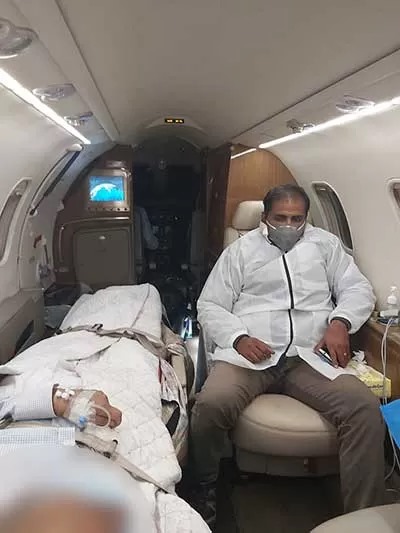
Preparing a patient for a long-haul international flight requires careful planning, particularly when the individual has a medical condition, limited mobility or needs assistance during travel. Long hours in an aircraft, airport procedures, time-zone changes and the physical demands of travelling can make the journey challenging for patients and their families.
Whether a patient is travelling home after hospital treatment, relocating to another country for medical care or returning to their family, proper preparation can make the journey more organised and manageable. A medical escort may also provide agreed assistance throughout the journey, depending on the patient’s condition and the services arranged.
1. Obtain Medical Clearance Before Booking the Flight
The first step in preparing a patient for a long-haul flight is to consult the treating doctor. Not every patient is medically suitable for commercial air travel, and the decision should depend on the individual’s condition rather than the distance or convenience of the flight.
The medical assessment may consider:
- Current medical stability.
- Recent surgery, illness or hospitalisation.
- Breathing and cardiovascular function.
- Mobility and ability to remain seated.
- Risk of complications during travel.
- Medication and treatment requirements.
- Need for oxygen or other assistance.
The airline may also require medical forms, additional information or approval before accepting a passenger with certain medical conditions.
2. Choose the Most Suitable Flight Route
Flight selection can significantly affect a patient’s comfort and travel experience. A route with multiple connections may increase walking, waiting time, transfers and fatigue.
When comparing flights, consider:
- Direct flights whenever practical.
- Shorter overall travel duration.
- Manageable connection times.
- Accessible airports.
- Flight schedules that suit the patient’s condition and routine.
- Availability of wheelchair and mobility assistance.
A flight with fewer connections may be preferable even if it costs more, particularly when the patient has difficulty walking or managing unfamiliar environments.
3. Prepare All Medical Documents in Advance
Medical documentation is important when travelling with a patient. It can help airlines, airport personnel and healthcare providers understand the patient’s condition and any assistance required.
| Document | Why It May Be Needed |
|---|---|
| Medical summary | Provides an overview of the patient’s diagnosis and current condition. |
| Discharge summary | Contains information about recent hospital treatment. |
| Medication list | Explains current medicines, doses and schedules. |
| Fit-to-fly assessment | Documents the treating clinician’s assessment of air travel suitability. |
| Recent investigation reports | May provide relevant information about the patient’s condition. |
| Airline medical forms | May be required for medical approval or special assistance. |
Keep essential medical documents in hand luggage rather than checked baggage. Organising these documents in one folder can make them easier to access during the journey.
4. Organise Medication for the Entire Journey
Patients travelling internationally may need to manage medication during airport waiting times, long flights, layovers and arrival procedures. Missing or incorrectly timed doses may create avoidable difficulties.
Before departure:
- Prepare enough prescribed medication for the planned journey and reasonable delays.
- Carry medicines in their original packaging where practical.
- Keep medication in accessible hand luggage.
- Carry prescriptions or supporting medical documents when appropriate.
- Prepare a written medication schedule.
- Discuss time-zone changes with the treating doctor or pharmacist.
Medication should not be stopped, altered or rescheduled without appropriate medical advice. Families should also check airline rules and the destination country’s requirements for carrying medication.
5. Plan Mobility and Airport Assistance
Large international airports can involve considerable walking, long queues, security checks and changes between terminals. These activities may be difficult for patients recovering from an illness or living with mobility limitations.
Families should assess whether the patient needs:
- Airport wheelchair assistance.
- Support during transfers.
- Help navigating terminals.
- Assistance boarding and disembarking.
- Additional time for airport procedures.
- Suitable seating arrangements.
Airport assistance should be requested in advance and confirmed with the airline. The patient’s mobility needs should also be communicated to the medical escort, if one has been arranged.
6. Prepare for Comfort During the Flight
Long-haul flights can be uncomfortable for patients who need to remain seated for several hours. Planning for comfort can help reduce unnecessary strain during travel.
Depending on the patient’s condition and medical advice, consider:
- Comfortable, loose-fitting clothing.
- Suitable footwear that is easy to remove and wear.
- Neck pillows or other comfort accessories.
- Essential personal hygiene items.
- Water and appropriate refreshments, subject to medical restrictions.
- Items that help the patient rest or remain calm.
Patients with limited mobility may have an increased risk of travel-related complications, including blood clots. Ask the treating clinician about appropriate movement, leg exercises, compression garments or other preventive measures. These recommendations should be individualised rather than applied to every patient.
7. Arrange Appropriate Medical Escort Support
Some patients may be able to travel with a family member, while others may require assistance from a qualified medical professional or medical escort. The decision depends on the patient’s condition, mobility, communication ability and support requirements during the journey.
A medical escort may provide agreed assistance such as:
- Accompanying the patient throughout the journey.
- Helping with airport navigation and travel coordination.
- Providing mobility-related assistance within their scope.
- Monitoring the patient’s general condition as appropriate to their qualifications.
- Helping follow an agreed medication routine.
- Coordinating with airline staff if assistance is required.
Before arranging the service, families should confirm the escort’s qualifications, responsibilities, availability and the level of assistance included. A medical escort on a commercial flight does not automatically provide intensive care or hospital-level treatment.
8. Communicate the Patient’s Needs to the Airline
Airlines may have specific procedures for passengers who require medical assistance, mobility support, oxygen or other arrangements. Early communication can help families understand what is permitted and what documentation may be necessary.
Inform the airline about relevant requirements, such as:
- Wheelchair assistance.
- Difficulty walking long distances.
- Need for assistance during boarding.
- Medical equipment carried onboard.
- Oxygen requirements, if applicable.
- Medical clearance or special seating requirements.
Do not assume that all medical equipment or assistance can be accommodated automatically. Confirm the arrangements directly with the airline before departure.
9. Arrange the Destination Transfer Before Departure
Preparing for the flight is only part of the journey. Patients may also need assistance after landing, especially when travelling through unfamiliar airports or arriving after a long flight.
Before departure, confirm:
- Who will meet the patient at the destination airport.
- Whether wheelchair assistance is required after landing.
- How the patient will travel from the airport to their accommodation or hospital.
- Whether the receiving hospital or healthcare provider has been informed.
- Who will take responsibility for the patient after the escort handover.
Having a clear arrival plan can help avoid confusion and reduce the stress of organising transportation at the last minute.
10. Create a Personalised Travel Checklist
A checklist helps family members keep track of important arrangements and reduces the likelihood of forgetting essential items or documents.
| Preparation | Status |
|---|---|
| Medical assessment completed | Confirmed |
| Fitness to fly discussed with treating doctor | Confirmed |
| Flight itinerary finalised | Confirmed |
| Airline medical approval obtained, if required | Confirmed |
| Medical documents organised | Confirmed |
| Medication packed and schedule prepared | Confirmed |
| Airport mobility assistance arranged | Confirmed |
| Medical escort confirmed, if required | Confirmed |
| Patient comfort items packed | Confirmed |
| Destination transportation arranged | Confirmed |
| Receiving family member or healthcare provider informed | Confirmed |
Reviewing this checklist a few days before departure can help identify missing arrangements while there is still time to address them.
Frequently Asked Questions
How early should a patient start preparing for a long-haul medical flight?
Preparation should begin as early as possible, particularly when medical clearance, airline approval, wheelchair assistance or specialised travel arrangements are required. The timeline depends on the patient’s condition and the airline’s procedures.
Can a patient travel on a long-haul flight after hospital discharge?
Some patients may be able to travel after hospital discharge, but discharge from hospital does not automatically mean they are fit to fly. The treating doctor should assess the patient’s condition and travel suitability.
What should a patient keep in hand luggage?
Patients should generally keep essential medication, medical documents, prescriptions, personal identification and important comfort items in accessible hand luggage. Airline and destination rules should be checked for medical equipment and medication.
Should patients avoid connecting flights?
Connecting flights are not always unsuitable, but multiple transfers can increase travel time, fatigue and airport navigation challenges. A direct flight or a route with fewer connections may be more manageable for some patients.
Can a medical escort help during a long-haul flight?
A medical escort may provide agreed assistance during the journey, including travel coordination, mobility support and monitoring within their professional qualifications. The level of support should be confirmed before booking.
What happens if the patient’s condition changes during travel?
If a patient becomes unwell during a flight, the cabin crew should be informed immediately. They will follow the airline’s onboard procedures and seek assistance as appropriate. A medical escort may assist within their qualifications, but cannot guarantee that every medical emergency can be managed onboard.
Arrange International Medical Travel Assistance With MedEscort International
Preparing for a long-haul medical flight requires more than booking a ticket. Medical clearance, medication planning, airport assistance, mobility arrangements and destination coordination all play an important role in planning a patient’s journey.
MedEscort International can help families discuss international medical escort arrangements for patients who need assistance travelling on commercial flights. Every journey should be assessed individually to understand the patient’s condition, travel requirements and appropriate level of support.
Learn more about international medical escort services at MedEscort International.
Contact MedEscort International:
Phone: +91 9774900430
Email: alan@medescortinternational.com
Planning a long-haul international journey for a patient? Contact MedEscort International to discuss suitable medical escort arrangements and travel support.