


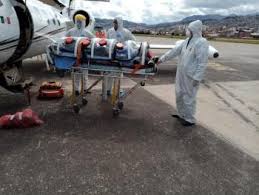
International air travel can be physically demanding for patients with anaemia, particularly when the condition is severe or accompanied by symptoms such as fatigue, dizziness, weakness and breathlessness. Anaemia occurs when the body has insufficient healthy red blood cells or haemoglobin to carry oxygen effectively to its tissues. The severity and underlying cause vary between patients, making individual medical assessment essential before a long-distance flight. Some patients may travel commercially after appropriate treatment and medical approval, while others may need to postpone their journey or consider alternative transportation. A medical escort may provide additional assistance when commercial travel is considered appropriate by the treating healthcare team.
Can Patients With Anaemia Travel by Plane?
Many people with mild or adequately treated anaemia can travel by commercial aircraft. However, patients with severe anaemia may face additional challenges because the reduced oxygen-carrying capacity of their blood can become more concerning in situations where oxygen availability is lower, such as inside a pressurised aircraft cabin.
Fitness to fly depends on several factors, including haemoglobin levels, the underlying cause of anaemia, symptoms, associated heart or lung conditions and the patient’s overall medical stability. There is no single haemoglobin value that determines fitness to fly for every individual. The treating doctor must assess the patient’s circumstances and advise whether commercial air travel is appropriate. Airline medical clearance may also be required.
7 Important Preparations Before an International Flight
1. Obtain a Medical Assessment
Before booking or confirming a flight, patients should consult their treating physician or haematologist. The doctor may review recent blood test results, symptoms, treatment progress and any associated medical conditions. Patients experiencing severe breathlessness, chest pain, fainting or significant weakness should receive medical attention rather than proceeding with routine travel plans.
2. Identify and Manage the Underlying Cause
Anaemia can result from iron deficiency, vitamin deficiencies, chronic disease, blood loss and other medical conditions. Travel planning should consider the underlying cause rather than focusing only on the haemoglobin level. The healthcare team can determine whether additional investigations or treatment are necessary before departure.
3. Discuss Treatment Requirements Before Travel
Some patients may require iron supplementation, vitamin replacement, medication or other treatments depending on the diagnosis. Patients with severe anaemia may need specialist treatment before they can travel. Any proposed treatment, including a blood transfusion when clinically indicated, must be determined by the treating medical team. Patients should not attempt to manage significant anaemia through dietary changes alone without appropriate medical evaluation.
4. Prepare Prescribed Medication
Carry all prescribed medicines in hand luggage, subject to airline and airport security requirements. Keep medications in their original packaging and bring updated prescriptions or a medical letter. If the journey crosses time zones, ask the treating doctor or pharmacist whether any changes to medication timing are necessary.
5. Plan Airport Assistance and Mobility Support
Patients with anaemia may experience fatigue or dizziness when walking long distances. Wheelchair assistance or other airport support may help reduce physical exertion. Request assistance in advance and explain the patient’s mobility requirements to the airline.
6. Arrange Suitable Seating and Rest
Long-haul flights can be tiring, particularly for patients who already experience reduced stamina. Consider flight duration, connection times and opportunities for rest. The treating clinician can advise on suitable travel arrangements based on the patient’s symptoms and medical condition.
7. Organise Medical Support at the Destination
Patients should identify appropriate healthcare facilities at their destination and arrange any necessary follow-up appointments. If the journey involves returning home after treatment abroad, families should coordinate medical records and handover arrangements with the receiving healthcare provider.
How a Medical Escort May Support Patients With Anaemia
Patients who are medically cleared for commercial travel but require additional assistance may benefit from a medical escort. Depending on the patient’s condition, the escort’s professional qualifications and the agreed service, support may include:
- Reviewing relevant medical information and travel instructions before departure.
- Helping coordinate airport assistance and boarding arrangements.
- Supporting adherence to the documented medication schedule.
- Assisting with agreed mobility and transfer requirements.
- Observing the patient’s general condition during the journey.
- Communicating relevant concerns to family members and appropriate healthcare professionals.
- Coordinating arrival and handover arrangements with the receiving caregiver or medical team.
A medical escort cannot independently determine whether a patient is fit to fly or replace the treating physician. A commercial-flight medical escort is also different from an air ambulance and does not automatically provide hospital-level care, intensive care or advanced life support. Patients who require continuous advanced medical intervention may need another transport arrangement.
When Should a Patient Postpone Air Travel?
Travel may need to be delayed when anaemia is severe, untreated or associated with concerning symptoms. Medical reassessment is particularly important if the patient experiences:
- Severe or worsening breathlessness.
- Chest pain or unusual heart palpitations.
- Repeated dizziness or fainting episodes.
- Significant weakness that affects basic daily activities.
- Ongoing or suspected internal bleeding.
- Unstable underlying medical conditions.
These symptoms require prompt medical evaluation. The decision to travel should only be reconsidered after the treating healthcare professional has assessed the patient.
Medical Documents to Carry During Travel
Having medical information readily available can help support communication during an international journey. Depending on the patient’s circumstances, useful documents may include:
- Recent medical summary from the treating physician.
- Latest haemoglobin and relevant blood test reports.
- Details of the underlying cause of anaemia.
- Updated medication list and prescriptions.
- Records of recent treatments or hospital admissions.
- Emergency contact information.
- Airline medical forms or clearance documents, if required.
Frequently Asked Questions
Can someone with low haemoglobin travel by plane?
It depends on the haemoglobin level, symptoms, underlying cause and overall medical condition. There is no universal threshold suitable for every passenger. A treating doctor should assess fitness to fly before departure.
Does flying make anaemia worse?
Flying does not necessarily worsen anaemia itself. However, reduced oxygen availability in the aircraft cabin may be more significant for people with severe anaemia or associated heart and lung conditions. Individual medical assessment is important.
Can an anaemia patient receive oxygen during a commercial flight?
Some passengers may require supplemental oxygen, but this must be assessed and prescribed by a healthcare professional. Airline approval, approved equipment and advance arrangements may be necessary. Patients should never assume that oxygen can be arranged automatically on board.
Does every patient with anaemia need a medical escort?
No. Many patients with stable, adequately treated anaemia can travel with ordinary arrangements. A medical escort may be considered when additional support is needed and commercial travel has been approved by the treating healthcare team.
Arrange International Medical Travel Support With MedEscort International
International travel with anaemia requires careful consideration of the patient’s haemoglobin levels, underlying diagnosis, treatment progress and overall fitness to fly. Early medical assessment and appropriate travel coordination can help families understand the available options. When a patient is cleared for commercial air travel but needs additional assistance, a medical escort may help coordinate agreed support throughout the journey.
MedEscort International helps families explore medical escort arrangements for patients travelling internationally. Contact the team to discuss the patient’s medical circumstances, travel route and support requirements.
- Phone: +91 9774900430
- Email: alan@medescortinternational.com
- Website: MedEscort International