


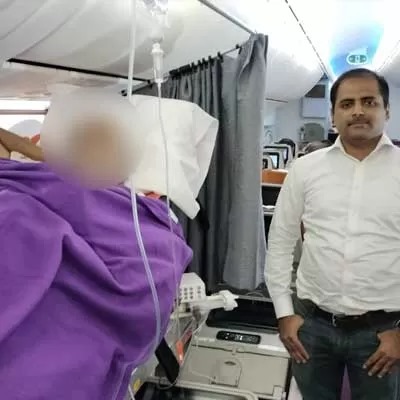
Deep vein thrombosis (DVT) is a medical condition in which a blood clot forms in a deep vein, most commonly in the leg. For patients diagnosed with DVT, international air travel requires careful consideration because prolonged periods of immobility may increase the risk of blood clots in susceptible individuals. Patients who have recently experienced DVT may need medical assessment before undertaking a long-distance flight. The timing of travel, prescribed treatment and individual risk factors all influence whether flying is appropriate. A medical escort may provide additional support during an international journey when the treating healthcare team confirms that travel is suitable.
Can Patients With Deep Vein Thrombosis Travel by Plane?
Some patients with DVT may be able to travel by commercial aircraft after appropriate medical evaluation. However, patients should not assume that flying is safe immediately after diagnosis. The treating doctor must assess the clot, symptoms, treatment response and risk of complications before approving travel.
Patients with suspected pulmonary embolism, significant breathing difficulties, chest pain or unstable medical conditions require urgent medical assessment rather than routine travel planning. Airline medical clearance may also be necessary depending on the patient’s condition and the airline’s policies.
Why Long-Distance Flights Require Extra Attention
During long flights, passengers often remain seated for extended periods. Reduced movement can contribute to blood pooling in the legs, which may increase the risk of venous thromboembolism in people with relevant risk factors. Previous DVT, recent surgery, limited mobility, certain medical conditions and other individual factors may influence a person’s risk.
For someone who already has a diagnosed blood clot, the main concern is not simply the flight duration. The clot’s location, treatment status, symptoms and the possibility of complications must be considered by a healthcare professional before travel.
7 Important Preparations Before Flying With DVT
1. Obtain Medical Clearance Before Booking
Consult the treating doctor or vascular specialist before confirming an international flight. Discuss the proposed route, duration, connecting flights and the patient’s current symptoms. The healthcare professional can determine whether travel should be postponed or whether additional precautions are appropriate.
2. Follow the Prescribed Anticoagulant Treatment
Patients with DVT are commonly prescribed anticoagulant medication, depending on their diagnosis and clinical circumstances. These medicines help prevent the clot from growing and reduce the risk of further clot formation. Follow the prescribed treatment schedule and obtain written instructions for managing medication during time-zone changes. Never stop, delay or change anticoagulant doses without medical advice.
3. Discuss Movement During the Flight
Depending on the patient’s condition and mobility, the treating clinician may recommend suitable movement during travel. This could include changing position or moving the legs while seated. Patients should not attempt standing or walking if they have been advised against it or cannot do so safely.
4. Ask About Compression Stockings
Graduated compression stockings may be recommended for certain travellers at risk of venous thromboembolism. However, they are not appropriate for everyone. Patients with an existing DVT should ask their healthcare professional whether compression stockings are suitable and what type and fit should be used.
5. Maintain Appropriate Hydration
Patients should follow normal hydration guidance during travel unless their healthcare team has recommended fluid restrictions. Avoid relying on excessive fluid intake as a method of preventing blood clots. Individual medical conditions and prescribed treatments should guide hydration advice.
6. Keep Medical Records and Medication Accessible
Carry a recent medical summary, medication list, prescriptions and relevant investigation reports. Keep essential medication in hand luggage, subject to airline and security requirements. These documents can help healthcare professionals understand the patient’s diagnosis and current treatment if assistance is needed.
7. Plan Airport Transfers and Arrival Support
Consider the patient’s mobility and comfort when arranging transportation to and from airports. Avoid unnecessarily tight connections and organise suitable assistance if walking long distances is difficult. Confirm that someone will be available to support the patient after arrival, especially if ongoing medical follow-up is required.
How a Medical Escort May Support a Patient With DVT
For patients who have been medically cleared to travel but require additional assistance, a medical escort may help coordinate agreed support during the journey. Depending on the patient’s needs, the escort’s qualifications and the agreed service, assistance may include:
- Reviewing relevant medical information and travel instructions before departure.
- Helping the patient follow the documented medication schedule.
- Assisting with agreed mobility and airport transfer arrangements.
- Observing the patient’s general condition during the journey.
- Communicating relevant concerns to family members and appropriate healthcare professionals.
- Coordinating arrival and handover arrangements with the receiving caregiver or medical team.
A medical escort does not replace the treating doctor or independently determine whether a patient is fit to fly. Commercial-flight medical escort services are also different from air ambulance transportation and do not automatically provide hospital-level care, intensive care or advanced life support.
Warning Signs That Require Urgent Medical Attention
Patients and accompanying family members should understand the warning signs of DVT complications. Symptoms that may indicate pulmonary embolism include:
- Sudden or unexplained shortness of breath.
- Chest pain, particularly when breathing deeply.
- Coughing up blood.
- Rapid heartbeat or feeling faint.
- Sudden collapse.
These symptoms require immediate emergency medical attention. A patient experiencing them should not continue with routine travel arrangements.
Frequently Asked Questions
How soon after DVT can someone fly?
There is no single waiting period suitable for every patient. The decision depends on the clot, symptoms, treatment and individual medical risk. The treating doctor should determine when flying is appropriate.
Can a patient with DVT travel on a long-haul flight?
Some patients may be able to travel after medical assessment and appropriate treatment. However, long-haul travel should only be considered when the treating healthcare professional confirms that the patient is fit to fly.
Can a medical escort accompany someone with DVT?
Yes, a medical escort may accompany a patient when commercial travel is medically appropriate and additional support is required. The level of assistance should be agreed in advance according to the patient’s condition and the escort’s professional scope.
Do compression stockings prevent all travel-related blood clots?
No. Compression stockings do not eliminate the risk of blood clots. Their suitability depends on individual medical circumstances, and patients should use them only when recommended by an appropriate healthcare professional.
Plan Your International Medical Journey With MedEscort International
International travel with deep vein thrombosis requires careful medical assessment, appropriate treatment planning and coordination of travel support. Patients should obtain advice from their treating doctor before departure and understand the warning signs that require urgent attention. When additional assistance is needed, a medical escort may help coordinate agreed support throughout the journey.
MedEscort International helps families explore medical escort arrangements for patients travelling internationally. Contact the team to discuss the patient’s medical circumstances, destination and travel requirements.
- Phone: +91 9774900430
- Email: alan@medescortinternational.com
- Website: MedEscort International