


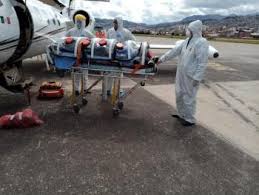
Travelling internationally with blood cancer can require careful planning, particularly for patients undergoing treatment or recovering from a recent hospital admission. Conditions such as leukaemia, lymphoma, and multiple myeloma may affect immunity, energy levels, blood counts, and mobility. These challenges can make long-distance travel more demanding, especially when the journey involves airport transfers, connecting flights, and extended periods away from medical care.
For some patients, travelling to another country may be necessary to return home after treatment, attend specialist appointments, or reunite with family. An international medical escort may provide practical assistance and support during a commercial flight when the patient is medically stable and suitable for that type of travel. The first priority is always to establish whether flying is appropriate for the individual patient.
Understanding Blood Cancer and Its Impact on International Travel
Blood cancer affects the production or function of blood cells and the immune system. The specific effects vary depending on the diagnosis, stage of the disease, treatment received, and the patient’s overall health.
Patients may experience several challenges during international travel:
Fatigue and weakness: Cancer and its treatment may reduce stamina, making long airport walks and transfers difficult.
Increased infection risk: Some treatments can weaken the immune system, requiring additional precautions in crowded environments.
Low blood counts: Anaemia or low platelet counts may create additional concerns that need medical assessment before flying.
Medication requirements: Patients may need carefully organised medication schedules and documentation throughout the journey.
Mobility limitations: Pain, weakness, or treatment-related side effects may make independent travel difficult.
Continuity of care: Patients may need arrangements for follow-up appointments, medical records, and ongoing treatment after arrival.
Not every patient with blood cancer faces the same risks. A treating oncologist or haematologist should assess the patient’s condition and advise whether travel is appropriate.
Why Medical Escort Support May Be Helpful
Some patients with blood cancer can travel independently, while others may need additional assistance because of fatigue, mobility limitations, treatment-related side effects, or the practical demands of a long international journey.
A medical escort may help by:
Assisting with airport navigation, boarding, and transfers.
Supporting the patient with mobility and practical travel needs.
Helping the patient follow the agreed medication schedule.
Observing the patient’s general condition within the escort’s professional scope.
Helping coordinate communication with family members.
Supporting planned travel arrangements and responding appropriately if assistance is needed.
The appropriate level of support depends on the patient’s medical needs and the escort’s qualifications. A commercial-flight medical escort is not a substitute for hospital treatment, specialist nursing that cannot be provided during the journey, or an air ambulance when a higher level of medical care is required.
Preparing for International Travel with Blood Cancer
Planning ahead can help patients and families identify potential difficulties and arrange suitable assistance before departure.
1. Obtain Medical Clearance
Before booking a flight, consult the patient’s treating oncologist or haematologist. The assessment should consider the type of blood cancer, current treatment, recent complications, blood counts, infection risk, and the patient’s general condition.
Patients who have recently undergone chemotherapy, stem cell transplantation, or another intensive treatment may require additional evaluation before travelling.
Medical clearance should reflect the patient’s current condition and the proposed journey rather than relying on the diagnosis alone.
2. Review Treatment and Medication Requirements
Prepare an updated medication list and discuss how medicines should be managed during the journey. Carry essential prescribed medicines in hand luggage, following applicable airline and airport security requirements.
If medication requires refrigeration, special handling, or controlled temperature storage, confirm the arrangements before departure.
Patients should not change treatment schedules or skip prescribed medication to accommodate a flight without consulting their treating medical team.
3. Assess Infection Risks
Some blood cancer treatments can significantly reduce the body’s ability to fight infections. The treating clinician should advise whether travel is appropriate and recommend precautions based on the patient’s immune status.
Depending on the individual’s circumstances, these precautions may include avoiding close contact with visibly unwell people, following appropriate hand hygiene, and using a suitable face covering when advised.
If the patient develops a fever or signs of infection before departure, contact the treating team promptly. Travel may need to be postponed until the situation has been assessed.
4. Arrange Airport Assistance
Patients experiencing fatigue, weakness, or mobility difficulties may benefit from wheelchair assistance and help navigating the airport.
Request assistance in advance, particularly for journeys involving connecting flights or large international terminals. Allow enough time for check-in, security screening, boarding, and transfers.
A medical escort can help coordinate practical aspects of the journey, but any required medical equipment or additional airline support should be confirmed before departure.
5. Prepare Medical Records and Receiving-Care Arrangements
Carry relevant medical documents, including:
A recent medical summary.
Details of the blood cancer diagnosis and current treatment.
An updated medication list and allergy information.
Relevant blood test results, if recommended by the treating clinician.
Details of recent hospital admissions or complications.
Contact information for the treating specialist.
Records needed by the receiving hospital or healthcare team.
Before travelling, confirm who will receive the patient at the destination and whether follow-up care has been arranged.
Important Considerations for Patients Undergoing Cancer Treatment
Patients receiving active treatment may have additional needs that require careful coordination.
After chemotherapy: The timing of travel should take account of treatment-related side effects, blood counts, infection risk, and recovery. The treating specialist should determine whether the patient is fit to fly.
After stem cell transplantation: Patients may require particularly careful assessment because immune recovery and complications can vary considerably. Travel should only proceed when the transplant team considers it appropriate.
With low platelet counts: A reduced platelet count may increase bleeding risk. The treating clinician should assess the patient’s individual risk and advise whether flying is suitable.
With severe anaemia: Reduced oxygen-carrying capacity may make air travel more complicated. The patient’s symptoms, blood results, and overall medical condition should be reviewed before departure.
With ongoing symptoms: Uncontrolled pain, significant breathlessness, fever, active bleeding, or other unstable symptoms may require treatment before travel is considered.
These situations cannot be managed through travel assistance alone. The patient’s clinical needs must determine the appropriate transport arrangement.
What Families Should Consider Before Booking
Families can use the following checklist when discussing travel with the treating team and medical escort provider:
Has the treating specialist confirmed that the patient is suitable for the proposed journey?
Are recent blood counts and treatment-related risks adequately assessed?
Is the patient’s medication supply sufficient for the journey and any unexpected delays?
Does the patient require wheelchair assistance or other mobility support?
Are special medication-storage or medical-equipment arrangements necessary?
Is receiving care organised at the destination?
Is a medical escort sufficient, or does the patient require a higher level of medical transport?
Answering these questions before booking can help families make informed decisions and reduce avoidable travel difficulties.
When Should Travel Be Postponed?
International travel should not proceed without medical review if a patient has new or worsening symptoms or a suspected treatment-related complication.
Seek prompt medical advice for fever, unusual bleeding, severe weakness, worsening breathlessness, or symptoms that are significantly different from the patient’s usual condition.
Severe breathing difficulty, chest pain, uncontrolled bleeding, confusion, or another potentially life-threatening symptom requires urgent medical assessment.
A medical escort cannot make an unstable patient fit to fly. The treating medical team must determine whether travel can proceed safely and whether additional treatment or a different transport arrangement is required.
How MedEscort International Can Help
MedEscort International supports patients and families who need assistance coordinating international medical travel. For patients with blood cancer who have been assessed as suitable for a commercial flight, a medical escort may help manage the practical demands of the journey and provide support according to the agreed service.
Support may include:
Discussing the patient’s travel requirements with family members.
Coordinating assistance for airport transfers and boarding.
Helping families prepare relevant medical documentation.
Planning travel around the patient’s mobility and assistance needs.
Supporting communication between family members and the receiving party.
Providing escort assistance within the agreed scope of service.
Each case requires an individual assessment. Suitability depends on the patient’s medical condition, the level of care required, airline policies, and the proposed route.
Contact MedEscort International
Phone: +91 9774900430
Website: medescortinternational.com
Contact MedEscort International to discuss the patient’s requirements and explore suitable travel arrangements.
Frequently Asked Questions
1. Can patients with blood cancer travel internationally by plane?
Some patients can travel by plane, but suitability depends on their diagnosis, treatment, blood counts, immune status, and current symptoms. The treating oncologist or haematologist should assess the patient before travel.
2. Can a medical escort accompany a patient receiving chemotherapy?
A medical escort may be suitable for some medically stable patients, depending on their individual needs. The treating specialist must first determine whether travel is appropriate, and the escort provider should confirm whether the required support falls within its service capabilities.
3. Is it safe to fly after a stem cell transplant?
There is no universal timeframe that makes flying appropriate for every transplant patient. Immune recovery, complications, treatment requirements, and the advice of the transplant team all influence the decision.
4. What documents should a patient with blood cancer carry?
Patients should generally carry a recent medical summary, medication list, allergy information, relevant treatment records, emergency contacts, and any medical fitness-to-fly documentation requested by the treating clinician or airline.
5. What happens if a patient develops a fever before departure?
Patients receiving cancer treatment should contact their treating team promptly if they develop a fever or possible signs of infection. The clinician can assess the situation and determine whether urgent treatment is needed or travel should be postponed.
6. Can MedEscort International arrange medical repatriation for cancer patients?
MedEscort International can discuss the patient’s circumstances and proposed journey to determine whether its escort service may be suitable. Arrangements depend on medical stability, the level of support required, airline requirements, and route availability.
Final Thoughts
International travel with blood cancer requires thoughtful preparation, medical guidance, and coordination between the patient, family, treating specialist, and travel support provider. Reviewing treatment-related risks, preparing medical records, arranging airport assistance, and confirming follow-up care can help families make better-informed travel decisions.
For patients who are medically stable but need assistance during a long-distance journey, an international medical escort may provide practical support and reassurance. The priority should always be to select a travel arrangement that matches the patient’s condition and care requirements.
Medical disclaimer: This article is intended for general informational purposes only and does not replace professional medical advice, diagnosis, or treatment. Patients with blood cancer should consult their treating oncologist or haematologist before making international travel arrangements.