


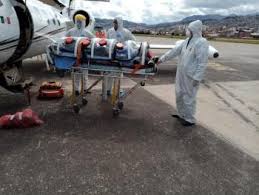
International air travel for people living with haemophilia requires careful preparation, particularly when managing bleeding risks, medication, and access to treatment. Haemophilia is an inherited bleeding disorder in which the blood does not clot properly because certain clotting factors are missing or present at insufficient levels. Even a minor injury can sometimes lead to prolonged bleeding, while more serious bleeding episodes may require urgent medical attention.
Some patients need to travel internationally to return home after treatment, attend specialist appointments, or reunite with family members. For patients whose condition is medically stable, an international medical escort may provide additional assistance with the practical demands of a commercial flight.
However, travel arrangements must be based on the patient’s bleeding history, haemophilia type and severity, treatment plan, mobility, and overall medical stability. The treating haematologist should assess whether the patient is fit to fly and advise on any precautions before tickets are booked.
Understanding Haemophilia and Its Impact on International Travel
Haemophilia is a bleeding disorder that mainly affects the body’s ability to form stable blood clots. The two most common types are:
Haemophilia A: Caused by a deficiency of clotting factor VIII.
Haemophilia B: Caused by a deficiency of clotting factor IX.
The severity varies between individuals. Some people experience frequent spontaneous bleeding, while others mainly experience prolonged bleeding after injuries, dental procedures, or surgery.
International travel may create additional challenges for patients with haemophilia:
Bleeding risk: Falls, bumps, and accidental injuries may require prompt assessment.
Joint and muscle bleeding: Some patients experience pain, swelling, and reduced mobility due to bleeding into joints or muscles.
Medication requirements: Clotting factor treatment and other prescribed therapies may need careful planning.
Treatment access: The availability of appropriate haemophilia treatment may vary at the destination.
Long airport journeys: Walking, standing in queues, and carrying luggage may be difficult for patients with joint complications.
Medical documentation: Patients may need prescriptions, treatment records, and supporting documents when travelling with medication.
Emergency planning: Families should know how to access appropriate medical care if bleeding occurs during the journey.
Not every person with haemophilia has the same travel requirements. Planning should reflect the individual’s condition and the advice of their treating haematologist.
Why Medical Escort Support May Be Beneficial
Some people with haemophilia can travel independently or with family assistance. Others may benefit from an international medical escort because of mobility limitations, treatment requirements, or concerns about managing a long journey.
Depending on the agreed service and the escort’s professional qualifications, support may include:
Assisting with airport check-in, security procedures, and boarding.
Coordinating wheelchair assistance where appropriate.
Helping the patient navigate airport transfers.
Supporting prescribed medication routines according to the agreed care plan.
Helping organise and keep relevant medical documents accessible.
Communicating practical travel requirements to relevant personnel.
Coordinating arrival arrangements with family members or caregivers.
Providing assistance within the escort’s agreed professional scope.
A medical escort may help manage the practical demands of travel, but cannot eliminate bleeding risks or replace specialist haematology care.
Patients with active significant bleeding, unstable symptoms, or complications requiring continuous specialist treatment may need hospital care or a different transport arrangement rather than a routine commercial flight.
7 Essential Tips for Preparing a Patient with Haemophilia for International Travel
1. Obtain Medical Clearance Before Booking
Before confirming an international flight, consult the patient’s treating haematologist.
The assessment should consider:
Whether the haemophilia is mild, moderate, or severe.
The patient’s recent bleeding history.
Any current joint or muscle bleeding.
Previous complications or treatment-related concerns.
The patient’s prescribed treatment plan.
Mobility and ability to sit comfortably during the flight.
The expected journey duration and connecting flights.
The haematologist should determine whether the patient is fit to fly and whether any additional precautions or treatment arrangements are needed.
Patients experiencing active bleeding, significant pain, or an unresolved medical complication should receive appropriate medical assessment before travelling.
2. Prepare Clotting Factor Medication and Prescriptions
Some patients with haemophilia require clotting factor replacement therapy or other prescribed treatments to prevent or manage bleeding episodes.
Before departure:
Prepare an updated medication list.
Carry essential medicines in hand luggage where permitted.
Keep prescriptions and supporting medical documents accessible.
Confirm storage and temperature requirements for medicines.
Check airline rules for carrying medical supplies.
Review destination-country regulations for bringing prescribed medication into the country.
Discuss the treatment schedule with the haematologist.
Some treatments may require special storage, preparation, or administration arrangements. These should be confirmed with the treating team before departure.
Patients should never change treatment doses, delay prescribed medication, or attempt a different treatment schedule without medical advice.
3. Plan for Bleeding Emergencies
A clear emergency plan is especially important for patients with haemophilia.
Families should discuss with the treating haematologist what to do if bleeding occurs during the journey. The plan should explain whom to contact, where to seek medical assistance, and what treatment arrangements are required.
Before departure, prepare:
A medical summary describing the haemophilia type and severity.
Details of previous significant bleeding episodes.
Current treatment and medication information.
Haematologist contact details.
Emergency contact information.
Information about the patient’s individual emergency treatment plan.
Patients and caregivers should also identify a suitable healthcare facility at the destination that can assess and manage haemophilia-related complications.
A medical escort’s ability to provide treatment depends on their qualifications, the agreed service, and the availability of the required medication and equipment.
4. Arrange Appropriate Mobility Assistance
Some patients with haemophilia develop joint damage or chronic pain following repeated bleeding into joints. This may make walking long distances or standing for extended periods difficult.
Consider arranging wheelchair assistance if the patient has mobility limitations.
Before departure, discuss:
Walking distance the patient can comfortably manage.
Whether wheelchair assistance is required.
Whether help with boarding and disembarking is needed.
Whether the patient can transfer safely into the aircraft seat.
Whether walking aids or other mobility equipment are required.
Whether additional seating arrangements should be discussed with the airline.
Avoid unnecessarily complicated itineraries and allow enough time for airport procedures.
If the patient has an active joint or muscle bleed, the treating clinician should assess the condition and advise on suitable travel arrangements.
5. Reduce the Risk of Accidental Injury
Patients with haemophilia should take reasonable precautions to avoid accidental injuries during travel.
Useful considerations include:
Avoid rushing through crowded airport terminals.
Arrange help with heavy luggage.
Use appropriate mobility aids when recommended.
Wear comfortable footwear that supports safe walking.
Allow enough time for boarding and transfers.
Keep frequently needed items within easy reach.
Avoid activities that the treating clinician has advised against.
Families should explain any important mobility or injury-related concerns to the escort provider before departure.
These precautions may help reduce avoidable risks, but they cannot prevent every injury or bleeding episode.
6. Plan Medication Access and Treatment Continuity
Patients travelling internationally may cross several time zones and encounter differences in healthcare systems and medication availability.
Before departure, confirm:
Whether the prescribed treatment will remain accessible throughout the journey.
Whether medication requires refrigeration or other special storage.
Whether enough medication is available for the trip and any reasonable delay.
Whether medical supplies can be carried through airport security.
Whether the destination has access to the patient’s required treatment.
Whether a specialist or haemophilia treatment centre is available if needed.
Families should discuss any treatment-continuity concerns with the haematologist well before travel.
Do not assume that the same medicine or treatment product will be immediately available in another country.
7. Confirm Support at the Destination
After landing, the patient may still need assistance with immigration, baggage collection, ground transport, and reaching their accommodation or receiving healthcare facility.
Before departure, confirm:
Who will meet the patient at the arrival airport.
Whether wheelchair or mobility assistance is required.
How the patient will reach the final destination.
Whether prescribed medicines and supplies are available.
Whether follow-up appointments have been arranged.
Whether the receiving caregiver understands the treatment plan.
How to access emergency medical care if required.
For patients returning home after hospital treatment, coordination with the receiving healthcare team can help support continuity of care.
Managing Comfort and Safety During a Long Flight
The demands of long-distance travel may be challenging for patients with haemophilia, particularly those with joint problems or ongoing treatment requirements.
The following considerations may help when appropriate for the patient’s condition:
Keep medication accessible: Carry prescribed medicines and relevant medical documents in hand luggage where permitted.
Avoid unnecessary exertion: Arrange help with luggage and use airport assistance if walking is difficult.
Follow the treatment plan: Maintain the prescribed schedule and follow the haematologist’s instructions.
Plan movement carefully: Discuss suitable movement and activity with the treating clinician, particularly if the patient has joint or muscle bleeding.
Reduce injury risks: Avoid rushing, crowded movement where possible, and activities that could lead to falls.
Stay comfortable: Arrange suitable seating and allow enough time for transfers.
Communicate concerns promptly: Inform the escort or appropriate medical personnel if new pain, swelling, or suspected bleeding develops.
These measures do not replace medical treatment. Any new or significant bleeding symptoms should be assessed promptly.
What Families Should Consider Before Booking
Before arranging international travel for a patient with haemophilia, families should consider the following questions:
Has the treating haematologist confirmed that the patient is fit to fly?
What type and severity of haemophilia does the patient have?
Has the patient experienced recent bleeding episodes?
Is there any current joint or muscle bleeding?
Are medication and treatment supplies organised?
Are storage requirements and airline rules confirmed?
Does the patient need wheelchair assistance or help with transfers?
Is an emergency treatment plan available?
Can appropriate haemophilia treatment be accessed at the destination?
Would a medical escort be suitable, or is a higher level of medical care required?
Discussing these questions early can help families make informed decisions and avoid unsuitable travel arrangements.
When Should Travel Be Postponed?
Travel may need to be delayed if the patient has active significant bleeding, an unresolved joint or muscle bleed, severe pain, or another unstable medical complication.
Urgent medical assessment is necessary if the patient experiences uncontrolled bleeding, a suspected head injury, severe headache following an injury, sudden weakness, or other symptoms that may indicate serious internal bleeding.
A suspected head injury in a person with haemophilia requires urgent professional assessment, even if there are initially few symptoms.
The treating haematologist should determine whether and when the patient can fly. A medical escort can assist during an appropriate journey but cannot make an unstable patient medically suitable for commercial air travel.
How MedEscort International Can Help
MedEscort International supports patients and families who need assistance coordinating international medical travel. For suitable patients with haemophilia, a medical escort may help manage the practical demands of the journey and provide assistance according to the patient’s needs and the agreed service.
Support may include:
Discussing the patient’s medical and travel requirements with family members.
Coordinating airport assistance and boarding arrangements.
Helping organise relevant medical documentation.
Planning around mobility, comfort, and prescribed medication routines.
Communicating practical support requirements to relevant parties.
Coordinating arrival arrangements with the receiving caregiver.
Providing escort assistance within the agreed professional scope.
Every case requires individual assessment. Suitability depends on haemophilia type and severity, recent bleeding history, medical stability, treatment requirements, mobility, airline policies, and the proposed route.
Contact MedEscort International
Phone: +91 9774900430
Website: medescortinternational.com
Contact MedEscort International to discuss the patient’s circumstances and explore suitable international travel arrangements.
Frequently Asked Questions
1. Can a person with haemophilia travel internationally by plane?
Some people with haemophilia can travel by plane when their condition is stable and appropriate arrangements are in place. The decision depends on the severity of the condition, bleeding history, treatment requirements, and advice from the treating haematologist.
2. Do patients with haemophilia need medical clearance before flying?
Medical advice is important before international travel, particularly for patients with severe haemophilia, recent bleeding episodes, or ongoing treatment needs. The treating haematologist should determine whether the patient is fit to fly.
3. Can clotting factor medication be carried on an aircraft?
Patients may generally need to carry essential prescribed medication and supporting documents in their hand luggage, subject to airline and airport security rules. Any special storage or handling requirements should be confirmed before departure.
4. What should families do if bleeding occurs during travel?
Families should follow the patient’s individual emergency plan and seek appropriate medical assistance. The plan should be discussed with the treating haematologist before departure. Serious or uncontrolled bleeding requires urgent medical attention.
5. Can patients with haemophilia travel if they have joint damage?
Some patients with joint damage may be able to travel with suitable mobility assistance and medical advice. Wheelchair support, seating requirements, and transfer arrangements should be planned before booking.
6. Is a medical escort necessary for every patient with haemophilia?
No. Some patients can travel independently or with family assistance. Others may benefit from a medical escort because of mobility limitations, treatment requirements, or the practical demands of a long-distance journey.
7. Can MedEscort International assist with medical repatriation for patients with haemophilia?
MedEscort International can discuss the patient’s condition and proposed route to determine whether its medical escort service may be suitable. Arrangements depend on medical stability, bleeding risk, treatment requirements, airline policies, and the level of care needed.
Final Thoughts
International travel with haemophilia requires careful preparation around bleeding risks, prescribed treatment, medication access, mobility, and emergency arrangements. Consulting the treating haematologist, organising medical documents, preparing an emergency plan, and confirming treatment availability at the destination can help families make informed decisions.
For patients who are medically stable but need additional assistance, an international medical escort may help make a long-distance journey more manageable. The priority is to ensure that travel arrangements reflect the patient’s medical condition and that appropriate support is available throughout the journey.
Medical disclaimer: This article is intended for general informational purposes only and does not replace professional medical advice, diagnosis, or treatment. Patients with haemophilia should consult their treating haematologist before making international travel arrangements.