


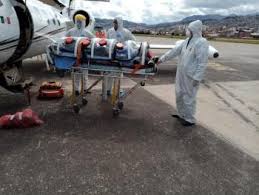
Recovering from COVID-19 can be different for every individual. While many people return to their normal activities within a relatively short period, others experience lingering symptoms such as fatigue, weakness, breathlessness, reduced stamina, or difficulty concentrating. These symptoms may make long-distance international travel more challenging.
For patients who have recovered sufficiently to travel but still require additional assistance, a medical escort may help coordinate and support the journey. Assistance can include airport navigation, mobility support, medication-related routines, and general wellbeing during a commercial flight, depending on the patient’s condition and the agreed service.
Before arranging travel, it is important to establish whether the patient is medically fit to fly and whether commercial air travel is appropriate.
Why Travelling After COVID-19 May Require Additional Planning
Some patients experience ongoing symptoms after the initial infection has resolved. The severity and duration of these symptoms vary, and not everyone develops long-term complications.
Travel-related challenges may include:
- Persistent fatigue: Long airport journeys and extended flights may be physically demanding.
- Reduced stamina: Some patients may struggle with walking long distances or standing in queues.
- Breathlessness: Patients with ongoing respiratory symptoms may require medical assessment before flying.
- Muscle weakness: Reduced activity during recovery may affect mobility and independence.
- Difficulty concentrating: Some individuals report cognitive symptoms that make complicated travel procedures harder to manage.
- Sleep disturbances: Changes in routine and time zones may increase travel-related fatigue.
These symptoms should be discussed with a healthcare professional before booking an international flight.
7 Important Considerations Before Flying After COVID-19
1. Obtain a Medical Fitness-to-Fly Assessment
The first step is to consult the patient’s treating clinician. A medical assessment helps determine whether the patient has recovered sufficiently for the proposed journey.
The clinician may consider:
- Current symptoms and recovery progress.
- Breathing and respiratory function.
- Oxygen requirements, if applicable.
- Physical stamina and mobility.
- Existing medical conditions.
- Risk factors associated with prolonged immobility.
Patients who have experienced severe COVID-19, hospitalization, or significant complications may require more detailed evaluation. Airline medical clearance may also be necessary depending on the circumstances and carrier policies.
2. Consider Ongoing Fatigue and Physical Weakness
Fatigue is one of the symptoms some patients experience during recovery. Even routine activities such as walking through an airport, carrying luggage, or waiting in queues may require more effort than usual.
Families should consider the patient’s ability to complete a full travel day rather than focusing only on the duration of the flight.
A medical escort may assist with airport navigation, coordinate wheelchair support when required, and help the patient manage the agreed travel schedule.
3. Review Respiratory Symptoms Before Departure
Some patients experience ongoing respiratory symptoms after COVID-19. Breathlessness, reduced exercise tolerance, or other breathing-related concerns should be assessed before flying.
Commercial aircraft cabins are pressurized, but cabin pressure is generally equivalent to an altitude of approximately 6,000–8,000 feet. This can be relevant for individuals with certain respiratory or cardiovascular conditions.
Patients who require supplemental oxygen or have persistent breathing difficulties should discuss their needs with their clinician and airline well in advance. Oxygen arrangements, equipment approval, and airline requirements must be confirmed before departure.
4. Plan Medication and Recovery-Related Supplies
Some patients may continue prescribed medication or require supplies associated with their recovery. Travelling across time zones and dealing with flight delays can disrupt established routines.
Before departure, prepare:
- A current medication list.
- Prescribed medicines in their original packaging where practical.
- Relevant prescriptions and medical documentation.
- Medical equipment approved for airline use, if required.
- Emergency contact information.
- Any essential personal care supplies.
A medical escort may assist with medication reminders and agreed healthcare routines within their professional scope. Medication changes should only be made under medical guidance.
5. Choose a Suitable Flight Schedule
Not all flight itineraries are equally suitable for someone recovering from an illness. Multiple connections, overnight layovers, long airport transfers, and tight boarding schedules may increase physical demands.
When possible, families may consider:
- Direct flights to reduce unnecessary transfers.
- Reasonable departure times.
- Adequate time between connecting flights.
- Wheelchair assistance for passengers with reduced mobility.
- Suitable seating arrangements.
- Enough recovery time before and after the journey.
The best itinerary depends on the patient’s medical condition, destination, and travel tolerance.
6. Consider the Risk of Blood Clots During Long Flights
Prolonged immobility during air travel can increase the risk of developing blood clots in the legs. Some people recovering from COVID-19 may also have additional risk factors, depending on their illness and medical history.
Patients should discuss their individual risk with their treating clinician before a long-haul flight.
Depending on medical advice, travel precautions may include:
- Moving regularly when medically appropriate.
- Performing suitable leg movements while seated.
- Staying adequately hydrated unless fluid restrictions apply.
- Using compression stockings when recommended.
- Following any prescribed preventive treatment.
Medication to prevent blood clots should never be started or adjusted without medical advice.
7. Arrange Appropriate Support During the Journey
Patients who have reduced stamina or require assistance with daily activities may benefit from additional travel support.
A medical escort may provide agreed assistance with:
- Airport navigation and check-in procedures.
- Boarding and disembarking arrangements.
- Mobility assistance and comfort.
- Medication-related reminders within professional scope.
- Observing general wellbeing during the flight.
- Communicating concerns to cabin crew when necessary.
The escort’s responsibilities depend on their qualifications, the patient’s requirements, and the agreed service. A commercial medical escort is not equivalent to an air ambulance or hospital-level medical team.
Can Patients With Long COVID Travel Internationally?
Some individuals with Long COVID experience symptoms that continue for weeks or months after the initial infection. These may include fatigue, breathlessness, cognitive difficulties, sleep problems, and reduced exercise tolerance.
International travel may be possible for some patients, but suitability should be assessed individually. The treating clinician should consider symptom severity, stability, functional ability, and the demands of the proposed itinerary.
Patients experiencing significant or worsening symptoms should not assume that they are ready to fly simply because a certain amount of time has passed since infection.
Medical Escort vs Air Ambulance for Post-COVID Patients
The appropriate transport option depends on the patient’s current health and level of medical support required.
| Feature | Commercial Medical Escort | Air Ambulance |
|---|---|---|
| Transport method | Scheduled commercial airline | Dedicated medical aircraft |
| Patient suitability | Patients assessed as fit for commercial air travel | Patients requiring specialized medical transportation |
| Support during travel | Based on escort qualifications and agreed service | Configured according to the patient’s medical requirements |
| Medical equipment | Subject to airline approval and service arrangements | Can be arranged according to the transport team’s capabilities |
| Cost considerations | Generally more economical than dedicated aircraft transport | Usually substantially more expensive |
A patient recovering from COVID-19 does not automatically require an air ambulance. However, patients who need specialized medical care during transport may not be suitable for a commercial medical escort arrangement.
What Families Should Prepare Before Departure
Families can help make international travel more organized by preparing the necessary medical and travel information in advance.
- Confirm medical fitness to fly with the treating clinician.
- Obtain relevant medical reports and prescriptions.
- Discuss oxygen or medical equipment requirements, if applicable.
- Arrange wheelchair assistance when necessary.
- Choose an itinerary that considers the patient’s stamina.
- Carry essential medication and supplies in cabin baggage.
- Confirm arrival assistance and onward transportation.
- Share important health information with the escort provider.
How MedEscort International Can Help
Organizing international travel after a serious illness can be difficult for patients and their families. Medical appointments, travel documentation, airline requirements, airport assistance, and arrival coordination all need consideration.
MedEscort International helps families explore medical escort arrangements for patients who require additional support during international commercial flights.
Depending on the patient’s condition and the agreed service, assistance may include:
- Travel planning and coordination.
- Airport navigation and boarding assistance.
- Agreed support during the commercial flight.
- Assistance with travel-related routines.
- Coordination of arrival and onward transfer arrangements.
Each patient should be assessed individually to determine whether commercial air travel with an escort is an appropriate option.
Frequently Asked Questions
How soon after COVID-19 can someone travel by plane?
There is no single recovery period that applies to everyone. Travel readiness depends on symptoms, recovery progress, medical history, infectiousness considerations, and airline requirements. Patients should obtain appropriate medical advice before flying.
Can someone with Long COVID travel internationally?
Some people with Long COVID can travel internationally, while others may need additional assessment or assistance. Persistent fatigue, breathlessness, and other symptoms should be discussed with the treating clinician before departure.
Does a patient recovering from COVID-19 need a medical escort?
Not necessarily. Patients who are medically stable and independent may travel without an escort. Those experiencing weakness, mobility limitations, or difficulty managing travel requirements may benefit from additional assistance.
Can patients who experienced severe COVID-19 travel on commercial flights?
Some may be able to travel after adequate recovery and medical assessment. Patients with ongoing respiratory or cardiovascular complications may require additional evaluation and airline coordination.
Can a medical escort provide oxygen during a commercial flight?
Oxygen arrangements depend on the patient’s medical requirements, the escort’s professional scope, and airline approval. Passengers should confirm equipment and oxygen arrangements with the airline before booking.
Is an air ambulance necessary after COVID-19?
No. An air ambulance is not automatically required after COVID-19. It may be considered when the patient needs specialized medical transportation or a level of care that cannot appropriately be provided on a commercial flight.
Plan Your International Journey With Appropriate Support
Travelling after COVID-19 recovery requires attention to the patient’s current health, physical stamina, respiratory condition, medication requirements, and ability to manage a long-distance journey.
With appropriate medical assessment and careful travel coordination, some patients may be able to return home or travel internationally using scheduled commercial flights. When additional assistance is needed, a medical escort may help organize and support the journey.
Contact MedEscort International to discuss your travel requirements and explore suitable medical escort arrangements.
Phone: +91 9774900430
Email: alan@medescortinternational.com
Website: medescortinternational.com