


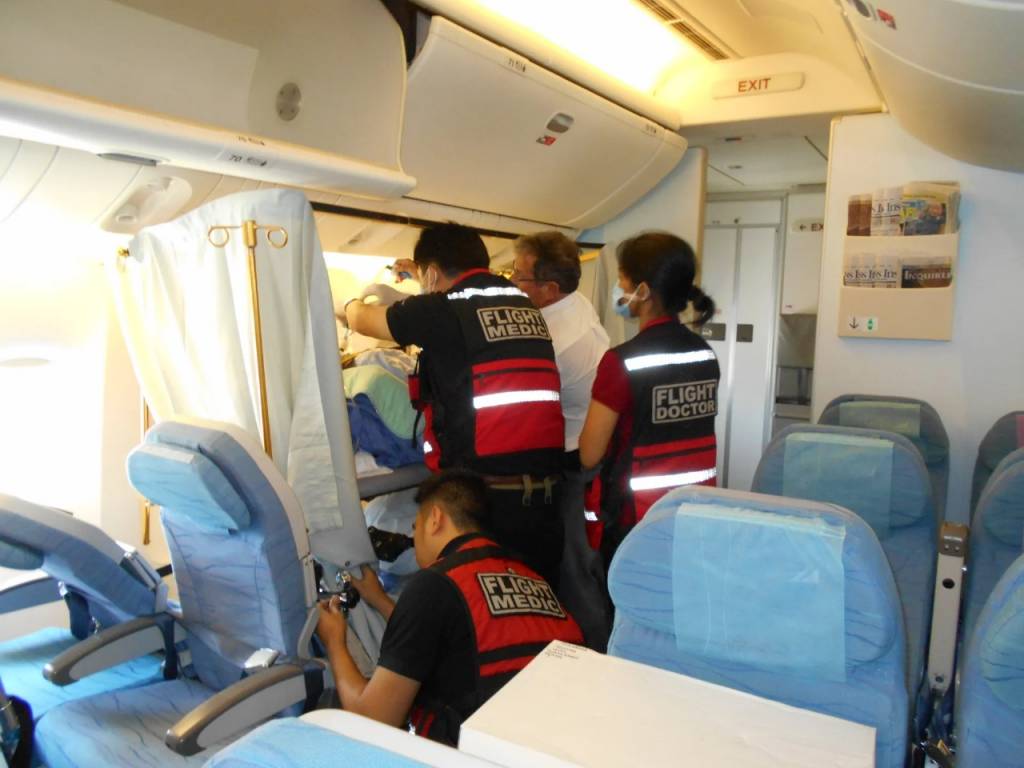
Travelling internationally with kidney disease requires careful planning, particularly for patients who need regular dialysis, take multiple medications, or follow specific fluid and dietary restrictions. Long flights, changes in routine, and access to medical services at the destination can create additional challenges for patients and their families.
Some people with kidney disease travel abroad for specialist treatment, return home after receiving medical care, or visit family while managing their ongoing condition. Although many patients can travel with appropriate preparation, others may need additional assistance to manage the journey comfortably.
A medical escort may be an option for patients who are medically stable but need professional support during international travel. Understanding the patient’s healthcare requirements and organising the journey in advance can help families make informed decisions.
Understanding the Travel Challenges for Kidney Patients
Kidney disease affects people differently. Some patients have stable chronic kidney disease and manage their condition with medication and regular monitoring. Others require dialysis or have additional health conditions that make travel more complicated.
Travel considerations may include:
Maintaining a prescribed medication schedule.
Managing fluid intake according to medical advice.
Arranging dialysis sessions at the destination.
Managing fatigue or reduced physical stamina.
Coordinating airport transfers and mobility assistance.
Carrying medical records and treatment information.
Ensuring access to healthcare if symptoms develop during travel.
For patients receiving dialysis, travel planning requires additional coordination because treatment sessions must be arranged around the itinerary. Patients should not assume that dialysis will be available immediately at their destination without confirming an appointment and the necessary clinical arrangements.
The treating nephrologist should assess the patient’s condition and advise whether the proposed journey is appropriate.
What Is a Medical Escort for Kidney Patients?
A medical escort is a qualified healthcare professional who accompanies a patient during a journey and provides assistance appropriate to the patient’s condition and the escort’s professional qualifications.
For a patient with kidney disease, support may include observing the patient’s condition, assisting with mobility, helping the patient follow an agreed medication routine, and coordinating travel-related arrangements.
The level of support depends on the patient’s individual needs and the service agreed before departure. Families should confirm the escort’s qualifications and whether the planned support is suitable for the patient’s treatment requirements.
A medical escort does not replace dialysis services, hospital treatment, or specialist renal care. Patients who require advanced monitoring or hospital-level interventions during transport may need a different medical transportation arrangement.
The appropriate option should be determined through an individual clinical assessment.
When Might a Kidney Patient Need a Medical Escort?
A medical escort may be useful when a patient is medically stable enough to travel but requires additional assistance during the journey.
Families may consider this service when a patient:
Is returning home after receiving kidney-related treatment abroad.
Needs to travel internationally for specialist consultation or planned treatment.
Experiences fatigue or weakness that makes independent travel difficult.
Requires assistance with mobility and airport transfers.
Needs help following an established medication schedule.
Is travelling without a suitable family caregiver.
Requires coordinated transportation between a hospital, airport, and residence.
Needs support organising the journey around planned dialysis appointments.
Not every kidney patient needs a medical escort. Some people can travel independently, while others may benefit from a family companion or professional healthcare support.
The decision should be based on the patient’s condition, treatment needs, and medical advice.
How to Prepare for International Travel with Kidney Disease
Preparation is particularly important for patients who need ongoing treatment or must follow specific fluid and medication instructions.
1. Consult the Treating Nephrologist
Before booking or confirming travel, discuss the proposed itinerary with the patient’s nephrologist or treating physician.
The clinician should review the patient’s current condition, recent test results where relevant, medication requirements, treatment schedule, and any risks associated with the journey.
Patients who have recently experienced a significant change in kidney function, an acute illness, or other medical complications may need further assessment before travel.
There is no single travel recommendation that applies to every person with kidney disease. The treating team should provide advice based on the individual patient’s circumstances.
2. Arrange Dialysis Before Departure
For patients who require haemodialysis or another form of regular dialysis, treatment arrangements should be confirmed before travel.
Families should contact a suitable dialysis centre at the destination and establish whether appointments are available for the intended dates. The receiving centre may request medical records, treatment details, laboratory results, or other information before accepting the patient.
The itinerary should be planned around the patient’s dialysis schedule rather than assuming that treatment can be arranged after arrival.
If the patient uses peritoneal dialysis, discuss travel supplies, storage, hygiene, and arrangements for continuing treatment with the renal care team.
3. Review Medication and Fluid Instructions
Kidney patients may have specific instructions about medication, fluid intake, and dietary restrictions. These requirements can vary according to kidney function, dialysis status, and other medical conditions.
Before departure, prepare an updated medication list and ask the treating clinician how the usual routine should be maintained during the journey.
Keep essential medication in accessible hand luggage and carry prescriptions or supporting documents when appropriate.
Do not independently change prescribed medication, fluid intake, or dietary restrictions to accommodate travel.
4. Carry Relevant Medical Documents
Organise the patient’s medical records in a folder that can be accessed easily during the journey.
Useful documents may include:
A recent medical summary.
A current medication list and allergy information.
Relevant laboratory results.
Dialysis treatment details, where applicable.
Information about vascular access or other treatment-related requirements.
Recent discharge summaries.
Contact details for the treating nephrologist.
Confirmation of dialysis appointments at the destination.
The receiving healthcare team may require specific documents before treatment can be provided. Confirm these requirements in advance.
5. Plan Airport and Mobility Assistance
Some kidney patients experience fatigue, weakness, or reduced stamina, especially when undergoing regular dialysis.
Walking long distances through airports, carrying luggage, and managing multiple transfers can become physically demanding. Wheelchair assistance and other airport support services may help reduce unnecessary exertion.
Arrange any required assistance with the airline and airport in advance. Allow sufficient time for check-in, security procedures, boarding, and ground transfers.
6. Discuss Travel-Related Health Risks
Kidney disease can be associated with other health conditions, including cardiovascular problems and anaemia. Some patients may also have restrictions on fluid intake or an increased need for careful medication management.
Ask the treating clinician what symptoms to watch for during travel and what precautions are appropriate for the patient’s condition.
If the patient becomes unwell before departure, contact the healthcare team and reassess whether the journey should proceed.
7. Confirm Healthcare Access at the Destination
Before travelling, make sure the patient knows how to access medical care if needed.
For patients receiving dialysis, confirm treatment appointments and transport to the dialysis centre. For others, identify the appropriate healthcare provider for follow-up care and clarify how medical records will be shared.
Families should also have contact details for the treating team and know whom to contact if the patient’s condition changes.
How a Medical Escort Can Support a Kidney Patient
When a medical escort is appropriate, the service can help coordinate the journey and provide agreed support during travel.
Depending on the patient’s needs and the escort’s qualifications, assistance may include:
Observing the patient’s condition during the journey.
Helping the patient follow an established medication routine.
Assisting with mobility and airport transfers.
Keeping essential medical documents accessible.
Coordinating travel logistics around confirmed treatment appointments.
Communicating relevant updates to family members.
Supporting the handover to a receiving caregiver or healthcare professional.
The exact scope of care should be confirmed before booking. Families should explain the patient’s dialysis schedule, fluid restrictions, mobility requirements, and any other important clinical considerations.
A medical escort should not be assumed to provide dialysis during a commercial flight. Any specialised treatment requirement must be assessed and arranged separately.
Medical Escort or Air Ambulance: Which Is Appropriate?
Choosing the right transportation option depends on the patient’s medical stability and the level of care required during the journey.
Medical escort on a commercial flight
This may be appropriate when the patient has been assessed as fit to fly and can travel safely with the agreed level of assistance.
Air ambulance
This may be necessary when the patient requires advanced monitoring, specialised medical equipment, intensive-care support, or medical interventions that cannot safely be provided on a commercial flight.
Having kidney disease or requiring dialysis does not automatically mean that a patient needs an air ambulance. Equally, a patient’s ability to walk or communicate does not by itself establish that commercial air travel is appropriate.
The treating nephrologist and medical transport provider should assess the patient’s needs before the transportation method is selected.
The Importance of Bedside-to-Bedside Coordination
International medical travel involves more than the flight itself. A patient may need transportation from a hospital to the airport, assistance during check-in and boarding, and a planned transfer to their home or receiving healthcare facility.
For kidney patients, coordination is particularly important when the itinerary must accommodate dialysis sessions, specialist appointments, or other treatment requirements.
A bedside-to-bedside arrangement aims to connect these stages into one organised journey. Depending on the agreed service, coordination may involve the discharging hospital, ground transportation providers, airline assistance teams, and receiving healthcare professionals.
Before departure, confirm who is responsible for each transfer, which services are included, and how unexpected delays will be handled.
Emotional Support for Kidney Patients and Their Families
Living with kidney disease can involve ongoing appointments, treatment routines, and lifestyle adjustments. International travel may add uncertainty, especially when patients are travelling far from their usual healthcare team.
Family members may worry about missed dialysis sessions, medication schedules, or access to medical care at the destination.
Clear communication and preparation can help reduce some of these concerns. Explain the itinerary, confirm treatment arrangements, and ensure that the patient understands what assistance will be available.
Whenever possible, involve the patient in decisions about travel. Their comfort, preferences, and concerns should remain central to the planning process.
How MedEscort International Can Help
MedEscort International assists families who need help coordinating medical travel and patient transfers. For patients with kidney disease, planning should take account of the patient’s current health, mobility, treatment schedule, travel route, and recommendations from the treating nephrologist.
Depending on the patient’s requirements and service availability, support may include coordinating a medical escort, organising travel logistics, and planning transfers between healthcare facilities, airports, and the final destination.
For patients receiving dialysis, families should ensure that treatment arrangements at the destination are confirmed with an appropriate dialysis provider before travel.
Every case requires individual consideration. Families should provide accurate medical information and consult the treating healthcare team before confirming the journey. This helps determine whether a commercial flight with an escort is appropriate or whether another form of medical transportation should be considered.
Frequently Asked Questions
1. Can people with kidney disease travel internationally by air?
Many people with stable kidney disease can travel internationally, but suitability depends on their medical condition, treatment requirements, and overall health. Patients should consult their treating nephrologist before confirming travel.
2. Can dialysis patients travel internationally?
Some dialysis patients can travel when their treatment and transportation arrangements are carefully planned. Dialysis appointments at the destination should be confirmed in advance, and the patient’s renal care team should advise whether the proposed itinerary is appropriate.
3. Does a kidney patient need a medical escort?
Not every kidney patient needs an escort. A professional medical escort may be helpful when the patient requires assistance with mobility, medication routines, travel coordination, or other needs during the journey.
4. Can a medical escort provide dialysis during a flight?
A medical escort on a commercial flight should not be assumed to provide dialysis. Dialysis requires appropriate equipment, clinical arrangements, and suitable facilities. Patients should discuss their treatment needs with their renal care team and medical transport provider before travelling.
5. What documents should a kidney patient carry?
Useful documents may include a medical summary, medication list, allergy information, relevant laboratory results, dialysis records where applicable, and contact details for the treating nephrologist. The receiving dialysis centre may request additional documentation.
6. How should kidney patients manage medication during international travel?
Patients should carry an updated medication list and discuss any time-zone-related changes with their treating clinician. Essential medicines should be kept accessible, and prescribed doses should not be changed without medical guidance.
7. Is an air ambulance necessary for patients receiving dialysis?
Not necessarily. Some patients receiving dialysis may be able to travel on a commercial flight after appropriate assessment and planning. An air ambulance may be considered when the patient’s condition requires a higher level of medical support.
8. Can bedside-to-bedside transfers be arranged for kidney patients?
Depending on the patient’s condition, route, and service availability, a bedside-to-bedside transfer may be possible. Families should confirm the full itinerary and ensure that any required treatment appointments are coordinated before departure.
Helping Kidney Patients Travel with Appropriate Support
International travel with kidney disease requires careful planning, especially when the patient needs regular dialysis, follows fluid restrictions, or takes multiple medications. Medical clearance, confirmed treatment arrangements, mobility support, and continuity of care should all be considered before departure.
For patients who are medically stable but need additional assistance, a medical escort may help make the journey more manageable. The most appropriate arrangement will depend on the patient’s individual condition and the advice of their healthcare team.
If you are planning international travel for a loved one with kidney disease, MedEscort International can help you explore available medical travel coordination options.
Contact MedEscort International
Phone: +91 9774900430
Email: alan@medescortinternational.com
Contact the team to discuss your patient’s travel needs, proposed route, and the assistance required for the journey.