


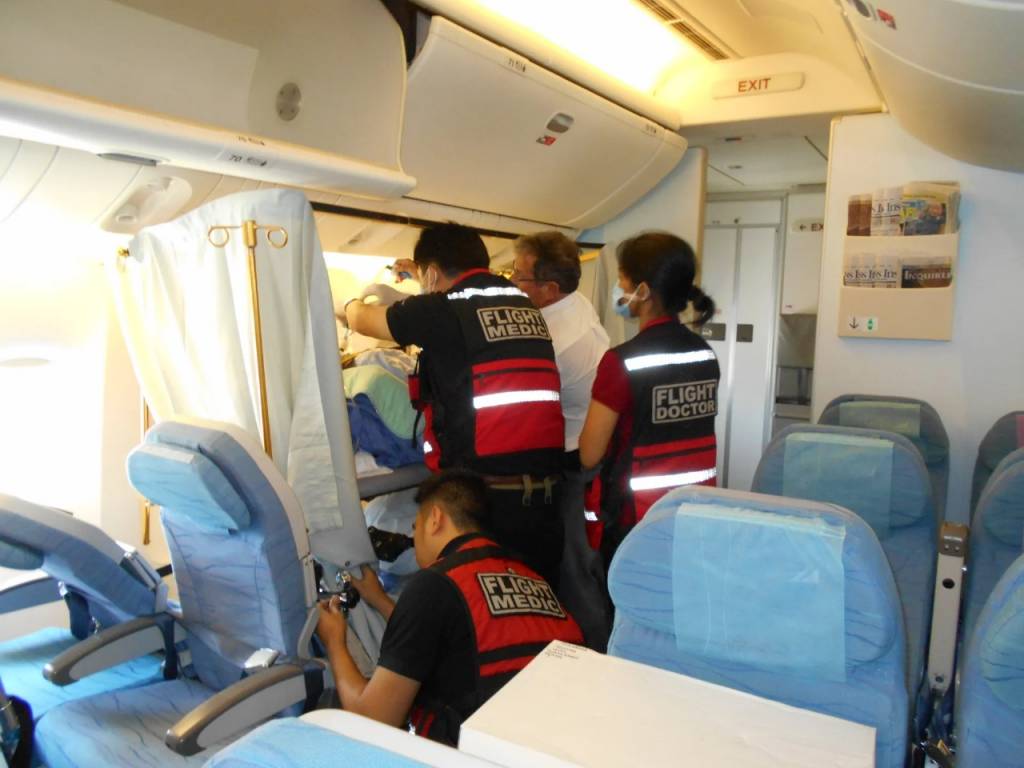
Receiving an organ transplant is a significant milestone in a patient’s medical journey. However, leaving the hospital and travelling home after the procedure requires careful planning, particularly when treatment has taken place in another country. Patients may need continued medical supervision, regular medication, follow-up appointments, and precautions to reduce the risk of infection during recovery.
For international patients, returning home can involve long flights, airport transfers, changes in climate, and coordination between healthcare teams in different countries. These challenges may be more complicated for individuals who have recently undergone transplantation or experienced complications during recovery.
An international medical escort may be an option for selected patients who have been assessed as medically fit to travel but need additional assistance during the journey. The decision must be made in consultation with the transplant team, as travelling too soon or without adequate preparation can create avoidable risks.
Why Travel After an Organ Transplant Requires Careful Planning
Following an organ transplant, the body needs time to recover from major surgery and adjust to the transplanted organ. The recovery process varies depending on the type of transplant, the patient’s overall health, and whether complications have occurred.
Patients commonly need regular follow-up appointments, laboratory tests, and carefully managed medication. Many also take immunosuppressive medicines to prevent their immune system from rejecting the transplanted organ. These medicines can increase susceptibility to infections, making appropriate precautions particularly important during travel.
A long-distance journey may also involve prolonged sitting, fatigue, disrupted sleep, and difficulties accessing medical services quickly. These factors should be considered before travel arrangements are confirmed.
There is no single waiting period that is appropriate for every transplant recipient. The treating transplant team must determine when the patient can travel safely, taking into account recovery progress, medical stability, and the availability of follow-up care at the destination.
How a Medical Escort Can Support Transplant Recipients
A medical escort can provide agreed assistance during travel for patients who are medically suitable for a commercial flight but need additional support. The type of assistance depends on the patient’s condition, the escort’s professional qualifications, and the arrangements made before departure.
Depending on the patient’s requirements, support may include:
Monitoring during the journey: Observing the patient’s condition within the escort’s professional scope and following the agreed travel care plan.
Medication schedule assistance: Helping the patient follow prescribed medication timings and travel instructions.
Mobility assistance: Supporting airport navigation, boarding arrangements, and transfers where appropriate.
Communication and coordination: Helping communicate relevant information between the patient, family, and healthcare teams when authorised.
Travel organisation: Assisting with airport transfers and coordinating practical requirements for the journey.
Arrival support: Helping the patient transition to the agreed destination or receiving healthcare facility.
Families should confirm the precise services included before booking. A medical escort does not replace the patient’s transplant specialist and cannot guarantee that complications will not occur.
Patients who require intensive monitoring, advanced life support, or continuous hospital-level care may need a specialist medical transport arrangement rather than a commercial flight.
Obtaining Medical Clearance Before Travelling
Medical clearance is one of the most important steps in planning travel after transplantation. Even if a patient feels well enough to leave the hospital, that does not necessarily mean they are ready for a long international flight.
The transplant team should assess the patient’s recovery, the stability of the transplanted organ, medication requirements, and any recent complications. The team should also consider the patient’s risk of infection, blood clots, dehydration, and other travel-related concerns.
Before confirming a flight, patients and families should ask the treating team to clarify:
Whether the patient is medically fit for the proposed journey.
Whether the timing of travel is appropriate after the procedure.
Whether additional monitoring or assistance is necessary.
Which medications and medical supplies must be available throughout the journey.
Whether any restrictions apply to movement, diet, or fluid intake.
What arrangements are needed for follow-up care at the destination.
If the patient has developed a fever, worsening pain, breathing difficulties, reduced urine output, unusual swelling, or another concerning symptom, the transplant team should be contacted promptly. Such symptoms need medical assessment rather than being treated as ordinary travel discomfort.
Managing Immunosuppressive Medication During International Travel
Many transplant recipients must take immunosuppressive medication consistently to help prevent organ rejection. Missing doses, changing the schedule without medical advice, or running out of medication during travel can have serious consequences.
Patients should discuss their complete itinerary with their transplant team and obtain clear instructions for managing medication across time zones. The correct schedule depends on the specific medicines prescribed and the patient’s individual treatment plan.
It is advisable to carry essential medicines in hand luggage, where they can remain accessible during the flight and are less likely to be lost if checked baggage is delayed. Medicines should remain in their original labelled packaging, and patients should check the storage requirements for each product.
Before departure, prepare an adequate supply of medication for the planned journey, with a reasonable allowance for unexpected delays. Any additional supply should be arranged in accordance with the treating team’s advice and the destination country’s medication regulations.
Patients should also carry a current medication list, prescriptions, relevant medical documentation, and emergency contact details. If a medical escort is involved, the responsibilities for medication reminders or assistance should be clearly agreed beforehand.
Reducing Infection Risks During the Journey
Transplant recipients may be more vulnerable to infections because of the medicines used to prevent rejection. Airports, aircraft, and other busy travel environments can expose patients to respiratory and other infectious illnesses.
The transplant team should provide personalised guidance on infection prevention before the patient travels. Depending on the individual’s condition, precautions may include careful hand hygiene, avoiding close contact with people who are visibly unwell, and using a well-fitting mask in situations where the clinical team recommends it.
Patients should also ask their healthcare team whether any vaccinations or other preventive measures are appropriate. Live vaccines may be unsuitable for some immunosuppressed patients, so vaccination decisions should be made with specialist advice.
Food and water precautions may also matter, particularly when travelling to a destination with different sanitation conditions. Patients should follow the dietary and food-safety guidance provided by their transplant team.
If symptoms of infection develop before departure, patients should contact their transplant team and reconsider travel until they have received appropriate medical advice.
Preparing for a Long-Haul Flight After Transplant Surgery
Long-haul travel can be physically demanding even for people who are otherwise healthy. For someone recovering from an organ transplant, comfort, mobility, hydration, and access to essential supplies need particular attention.
The patient should discuss seating arrangements and movement restrictions with the transplant team before booking. Some individuals may need assistance getting to the aircraft seat, while others may require additional space or a particular sitting position.
Where medically appropriate, gentle movement and changes in position may help reduce the effects of prolonged sitting. However, patients must follow any restrictions imposed after surgery and should not undertake movements that could interfere with recovery.
Hydration advice should be individualised. Some transplant recipients need to maintain adequate fluid intake, while others may have specific fluid restrictions because of their medical condition. The patient should follow the transplant team’s instructions rather than applying general travel advice.
Families should also plan for airport transfers and arrival arrangements. A long car journey immediately after landing may add to fatigue, so the distance to the receiving hospital or accommodation should be considered when designing the itinerary.
Coordinating Follow-Up Care at the Destination
Returning home after a transplant does not mean that specialist care is no longer necessary. Ongoing follow-up is an essential part of recovery and helps the medical team assess organ function, monitor medication effects, and identify potential complications.
Before travelling, patients should confirm that a suitable healthcare provider at the destination is prepared to continue their care. The receiving team may need copies of the transplant summary, operative records, recent laboratory results, medication list, and follow-up instructions.
It is important to establish who the patient should contact if symptoms develop after arrival. Patients should also understand how to access urgent medical care if the transplant team is not immediately available.
A well-coordinated transfer of medical information can reduce uncertainty and help the receiving healthcare team understand the patient’s treatment history and current needs.
Choosing the Appropriate Transport Option
A commercial flight with a medical escort may be suitable for certain transplant recipients who are stable, have been cleared to travel, and need assistance that can be safely provided within the available arrangements.
However, patients who are medically unstable or require continuous specialist intervention may need a different transport option. The decision depends on the transplanted organ, the stage of recovery, current medical concerns, and the level of care required during transit.
Before choosing a service, families should understand the escort’s qualifications, the scope of assistance offered, any airline medical requirements, and the arrangements for responding to an unexpected change in the patient’s condition.
The transplant team’s recommendation should take priority over travel convenience or cost. The safest arrangement is one that matches the patient’s clinical needs and provides appropriate continuity of care.
Frequently Asked Questions
Can a transplant recipient travel internationally by plane?
Some transplant recipients can travel internationally after recovery, but the appropriate timing depends on the type of transplant, medical stability, and the treating team’s assessment. Patients should obtain individualised medical clearance before booking a flight.
Is a medical escort necessary after an organ transplant?
Not every transplant recipient requires a medical escort. Patients who are stable but need additional assistance with mobility, medication routines, or travel coordination may benefit from one. The need should be determined according to the patient’s circumstances and medical advice.
How should transplant medication be managed during a long flight?
Patients should obtain a medication schedule from their transplant team, particularly when crossing time zones. Essential medicines should remain accessible during travel, and doses should not be changed or skipped without appropriate medical guidance.
Can transplant recipients travel while taking immunosuppressive medication?
Taking immunosuppressive medication does not automatically prevent someone from travelling. However, these medicines affect infection risk and require careful management. The transplant team should assess the patient’s readiness and provide specific precautions.
What medical documents should transplant patients carry?
Useful documents may include the transplant summary, recent medical reports, current prescriptions, medication list, relevant test results, allergies, and contact details for the transplant team. The receiving healthcare provider may request additional records.
Plan Your Post-Transplant Journey with Appropriate Support
Travelling home after an organ transplant requires coordination between the patient, transplant team, family, and any travel assistance provider. Medical clearance, reliable medication planning, infection precautions, and follow-up arrangements are essential parts of preparing for the journey.
For selected patients who are medically fit to fly but require additional assistance, an international medical escort may help manage practical travel needs and support continuity throughout the journey. The appropriate arrangement should always be based on specialist medical advice and the patient’s individual condition.
MedEscort International can help patients and families discuss medical escort arrangements for suitable international journeys. Contact the team in advance to explain the patient’s circumstances, proposed itinerary, and support requirements.
Contact MedEscort International
Phone: +91 9774900430
Email: alan@medescortinternational.com
Website: medescortinternational.com
Medical disclaimer: This article provides general information and is not a substitute for professional medical advice. Organ transplant recipients should obtain guidance from their transplant team before travelling. The timing of travel and the level of medical support required must be assessed individually.