


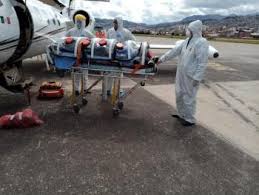
Travelling by air after a fracture can require careful planning, particularly when the injury affects mobility, causes significant discomfort, or requires ongoing medical attention. Whether a patient has sustained an injury while travelling abroad, needs to return home after treatment, or must travel internationally for specialist orthopaedic care, arranging suitable assistance can make the journey more manageable.
A fracture may involve a limb, the hip, the pelvis, the spine, or another part of the body. The patient’s ability to sit comfortably, move safely, manage pain, and tolerate the flight depends on the location and severity of the injury, the treatment received, and any associated medical conditions.
For some medically stable patients, an international medical escort may provide additional support during a commercial flight. However, flying after a fracture is not appropriate in every situation. Medical clearance, airline requirements, and the patient’s individual care needs should guide all travel arrangements.
Understanding the Challenges of Travelling with a Fracture
A fracture can make ordinary travel activities more difficult. Walking through an airport, standing in queues, transferring between vehicles, and getting into an aircraft seat may be challenging for someone with a recent injury.
Pain and swelling may increase during prolonged sitting, while certain injuries require the affected limb to remain elevated or positioned in a specific way. Patients with lower-limb fractures may need a wheelchair, crutches, or other mobility aids. Those with upper-limb injuries may need help carrying belongings or managing personal tasks.
Some fractures also involve complications that require particular attention. A patient who has undergone surgery may have wound-care needs or restrictions on movement. A fracture involving the hip or pelvis may significantly limit mobility, while spinal injuries can require specialised positioning and handling.
Before booking a flight, the patient should discuss the proposed journey with the treating orthopaedic specialist. The clinician can assess whether air travel is appropriate, identify positioning requirements, and advise whether additional medical support is necessary.
Why Medical Clearance Is Important Before Flying
Not all fractures present the same risks during air travel. The timing of the flight, the nature of the injury, the treatment provided, and the patient’s general condition all influence whether travelling is suitable.
A treating clinician should assess the patient’s fitness to fly and provide guidance on pain management, movement restrictions, wound care, and any necessary follow-up. Patients who have recently undergone surgery should also confirm whether they are medically ready for the proposed journey.
Air travel may require additional precautions when a fracture is associated with significant swelling, impaired circulation, a recent operation, or an increased risk of blood clots. Patients with a plaster cast or other immobilisation device should ask their clinician and airline whether any restrictions apply, particularly if the cast was applied recently.
Patients should never assume that a flight is safe simply because they can tolerate sitting for a short period. If the injury is unstable or requires a level of care that cannot be provided during a commercial flight, alternative transport arrangements may be necessary.
How a Medical Escort Can Assist Fracture Patients
An international medical escort can provide agreed assistance based on the patient’s medical assessment, mobility needs, and the escort’s professional qualifications.
For a suitable patient, this support may include helping coordinate airport movements, assisting with prescribed travel routines, monitoring the patient’s condition within the agreed scope of care, and communicating with family members or healthcare professionals when authorised.
Depending on the arrangement, support may involve:
Airport coordination: Helping organise wheelchair assistance, airport transfers, and boarding arrangements.
Mobility support: Assisting with movement and transfers in accordance with the patient’s restrictions and the escort’s training.
Comfort and positioning: Helping the patient follow the positioning recommendations provided by the treating clinician.
Medication assistance: Supporting the agreed medication schedule within the escort’s professional scope.
Travel communication: Helping coordinate information between the patient, family, and relevant healthcare providers.
Arrival planning: Supporting the transition from the airport to the receiving hospital, accommodation, or another agreed destination.
The precise services should be confirmed before booking. A medical escort cannot guarantee that complications will not occur, and an escort on a commercial flight is not equivalent to a dedicated ambulance or specialist medical transport team.
Preparing for Air Travel with a Plaster Cast or Brace
Patients travelling with a cast, splint, brace, or other immobilisation device should plan carefully before departure. The type of device, the location of the fracture, and the time since the injury can affect airline requirements and the patient’s comfort.
Swelling can be a concern after a recent injury. A newly applied circumferential cast may become uncomfortable or restrict circulation if swelling increases. For this reason, the treating clinician should provide specific guidance about flying with the device.
Before departure, patients should:
Ask the treating clinician whether the cast or brace is suitable for the planned journey.
Confirm whether the airline has restrictions concerning recent casts or immobilisation devices.
Arrange assistance if walking, climbing steps, or transferring between seats is difficult.
Carry relevant medical records and instructions about the injury.
Keep prescribed medicines and essential supplies accessible.
Avoid adjusting, cutting, or removing a cast unless instructed by an appropriately qualified healthcare professional.
If a cast becomes excessively tight or the patient develops increasing pain, numbness, unusual tingling, or changes in the colour or temperature of the fingers or toes, urgent medical assessment may be needed.
Managing Pain and Maintaining Comfort During the Flight
Pain management is an important part of preparing for long-distance travel after a fracture. Discomfort may increase when the patient remains in one position for an extended period or cannot move the injured area freely.
Patients should discuss a travel pain-management plan with their treating clinician before departure. This plan should identify which prescribed or recommended medicines may be used, when they should be taken, and whether any side effects could affect travel safety.
Patients should not take additional medication or change prescribed doses simply to make the flight more comfortable without appropriate medical advice.
Seating arrangements also deserve attention. Some patients may need additional space to maintain a comfortable position, keep an injured limb supported, or avoid pressure on a surgical site. An ordinary seat may not accommodate every positioning requirement, so the airline should be contacted in advance.
Where medically appropriate, patients should change position or move unaffected limbs periodically. Any movement restrictions given by the treating clinician must be followed, particularly after surgery or when weight-bearing is prohibited.
Preventing Travel-Related Complications
Reduced mobility after a fracture can increase the risk of certain complications, including blood clots. This risk may be greater for patients with recent surgery, lower-limb injuries, a previous history of blood clots, or other relevant medical conditions.
Before travelling, patients should ask their clinician to assess their individual risk and recommend appropriate precautions. Depending on the circumstances, these may include movement where safe, specific exercises, compression measures, or prescribed medication.
Patients should not begin aspirin, anticoagulants, or other medicines for clot prevention without professional advice. The right approach depends on the patient’s injury, treatment, medical history, and risk of bleeding.
During the journey, new or worsening symptoms should be taken seriously. Sudden breathlessness, chest pain, coughing up blood, or collapse may indicate a medical emergency and require immediate assistance.
The safest travel plan is one that considers both the fracture itself and the patient’s overall health.
Arranging Wheelchair Assistance and Airport Transfers
Airport assistance can be especially valuable for patients who cannot walk long distances or safely manage their own luggage. Arranging support in advance can reduce unnecessary physical strain and make the airport experience more predictable.
Patients should inform the airline about their mobility requirements as early as possible. They should explain whether they can walk short distances, stand briefly, transfer into a seat independently, or need assistance throughout the airport.
Wheelchair assistance does not automatically mean that a passenger can remain in their own wheelchair inside the aircraft. Boarding arrangements and approved seating or transfer equipment vary, so patients should confirm the details directly with the airline.
Ground transport at both ends of the journey also needs attention. A standard car may be unsuitable for someone with a hip or pelvic fracture, a rigid leg brace, or significant restrictions on sitting. Depending on the patient’s condition, an accessible vehicle or medical transport service may be more appropriate.
Choosing the Right Transport Option
A commercial flight with a medical escort may be suitable for some patients who are medically stable and can travel safely within airline requirements. It may provide a practical option for returning home after treatment or travelling to a planned orthopaedic appointment.
However, patients with unstable injuries, serious complications, or needs that exceed the available support on a commercial aircraft may require specialised medical transport.
When evaluating options, consider the patient’s clinical stability, ability to tolerate the required seating position, need for assistance with transfers, pain-management requirements, and any restrictions imposed by the treating clinician.
The decision should be based on a medical assessment rather than convenience alone. If there is uncertainty about the patient’s ability to travel safely, seek further advice before confirming tickets or transfers.
Frequently Asked Questions
Can someone fly internationally with a fracture?
Some patients can fly with a fracture, but suitability depends on the injury, treatment, timing, and individual medical circumstances. The treating clinician and airline should be consulted before travel.
Is a medical escort necessary after fracture surgery?
Not everyone needs a medical escort after surgery. Patients who require help with mobility, medication routines, transfers, or travel coordination may benefit from additional assistance. The decision should be based on the patient’s needs and medical advice.
Can a patient fly with a plaster cast?
In some circumstances, yes, but restrictions may apply depending on the cast, the timing of its application, the injury, and the airline’s rules. Patients should obtain medical advice and confirm the airline’s requirements before departure.
How can a fracture patient travel comfortably on a long-haul flight?
Planning suitable seating, arranging airport assistance, following the clinician’s pain-management advice, and confirming appropriate positioning can help. The patient should also discuss movement restrictions and clot-prevention measures with their healthcare team.
When might an air ambulance be necessary?
An air ambulance or another specialised medical transport arrangement may be required if the patient is medically unstable, needs intensive monitoring, or cannot safely travel with the assistance available on a commercial flight. A qualified medical professional should determine the appropriate option.
Plan Your Medical Journey with the Right Support
Travelling internationally with a fracture involves more than booking a flight. Patients need to consider medical clearance, mobility assistance, seating, pain management, and precautions against complications associated with reduced movement.
With appropriate planning, some fracture patients can travel on commercial flights with additional assistance. An international medical escort may help coordinate the journey and provide agreed support, allowing the patient and family to focus on following the medical travel plan.
MedEscort International can help patients and families discuss medical escort arrangements for suitable international journeys. Contact the team to explain the patient’s condition, destination, and assistance requirements so that the available options can be explored.
Contact MedEscort International
Phone: +91 9774900430
Email: alan@medescortinternational.com
Website: medescortinternational.com
Medical disclaimer: This article is for general informational purposes and is not a substitute for professional medical advice. Patients with fractures should obtain individualised advice from their treating clinician before flying. Airline policies and medical transport requirements may vary.