


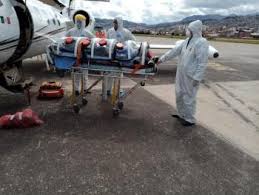
Travelling internationally with kidney stones can be challenging, particularly when patients experience recurring pain, urinary symptoms or complications that require medical attention. Long flights, airport transfers and limited access to familiar healthcare services can make the journey more difficult.
Kidney stones are hard deposits that develop when minerals and salts accumulate in the kidneys. Their size and location can influence symptoms. Some stones cause little discomfort, while others may lead to intense pain, nausea, vomiting or difficulty passing urine.
For medically stable patients travelling overseas for treatment or returning home after a urological procedure, an international medical escort may provide additional practical support during a commercial flight.
This article explores seven important considerations for planning international air travel with kidney stones.
Understanding Kidney Stones and Their Impact on Travel
Kidney stones can vary in size, composition and location. Some remain inside the kidney, while others move into the ureter, the tube connecting the kidney to the bladder.
When a stone obstructs the flow of urine, it may cause renal colic — sudden, severe pain that often occurs in the side or back and may spread towards the lower abdomen or groin.
Common symptoms include:
Severe pain in the side, back or lower abdomen.
Pain that comes in waves.
Blood in the urine.
Nausea and vomiting.
Frequent or painful urination.
Difficulty passing urine.
The possibility of sudden pain, dehydration or urinary complications can make long-distance travel difficult.
Patients with kidney stones should receive an appropriate medical assessment before arranging an international flight, particularly if symptoms have recently changed.
Why Medical Escort Support May Be Beneficial
Some patients with small, uncomplicated kidney stones may travel independently after receiving medical advice. Others may need assistance because of pain, reduced mobility, medication requirements or recovery following a urological procedure.
Depending on the patient’s condition, escort qualifications and agreed service, a medical escort may assist with:
Airport navigation and boarding.
Mobility assistance during airport transfers.
Coordination of prescribed medication arrangements.
Communication of relevant medical information.
Supporting comfort during the journey.
Coordination with family members.
Assistance with agreed travel arrangements after arrival.
A medical escort does not replace a urologist, emergency department or hospital-level treatment. Patients with an obstructed urinary system, serious infection or uncontrolled pain may require medical treatment before travel.
7 Essential Tips for Travelling Internationally with Kidney Stones
1. Obtain Medical Clearance from a Urologist
Before booking an international flight, consult the treating urologist or physician.
The assessment should consider:
The size and location of the kidney stone.
Whether the stone is obstructing urine flow.
Current pain levels.
Kidney function.
Presence of infection.
Previous episodes of renal colic.
The patient’s overall fitness for a long flight.
The clinician may recommend imaging, urine testing or blood tests depending on the patient’s condition.
Patients with severe or worsening symptoms should not assume that pain medication alone makes them fit to fly. The treating clinician should determine whether the condition is stable enough for travel.
2. Prepare a Pain Management Plan
Kidney stone pain can sometimes occur suddenly and become severe.
Patients should discuss an appropriate pain management plan with their healthcare team before departure.
Preparation may include:
Carrying prescribed pain medication.
Keeping essential medication in hand luggage.
Following the prescribed dosage instructions.
Carrying a current prescription.
Knowing what to do if pain becomes severe.
Identifying suitable medical facilities at the destination.
Patients should not take additional pain medication or change doses without medical advice. Some medicines may be unsuitable for individuals with impaired kidney function or other medical conditions.
3. Follow Individual Hydration Advice
Hydration is an important part of kidney stone prevention and management. However, fluid requirements differ between patients.
Before travelling, ask the treating clinician how much fluid intake is appropriate.
Practical arrangements may include:
Drinking water according to medical advice.
Keeping drinking water accessible after airport security.
Avoiding excessive caffeine if advised.
Limiting dehydration during airport transfers.
Planning access to toilets during the journey.
Patients with kidney disease, heart conditions or prescribed fluid restrictions should follow their healthcare team’s specific instructions rather than increasing fluid intake independently.
4. Plan for Toilet Access and Urinary Symptoms
Kidney stones can cause frequent urination, discomfort and changes in urinary habits.
Long flights may make access to toilets less convenient, particularly during turbulence or when passengers are required to remain seated.
Before departure, consider:
Choosing an appropriate seat when possible.
Keeping essential hygiene supplies accessible.
Informing the escort about relevant urinary symptoms.
Planning toilet access during airport transfers.
Carrying spare clothing if needed.
Discussing any urinary catheter or drainage requirements with the medical team.
Patients who cannot pass urine or develop severe urinary symptoms require medical assessment rather than simply continuing with their travel plans.
5. Organise Medical Records and Medication
A well-prepared medical folder can help patients and families manage unexpected situations during international travel.
Important documents may include:
Urological diagnosis and medical history.
Recent imaging reports.
Relevant blood and urine test results.
Kidney function reports.
Current medication list.
Prescriptions.
Details of previous procedures.
Treating urologist’s contact information.
Emergency contact details.
Patients should also confirm whether prescribed medicines have storage requirements and check airline and destination-country rules for carrying them.
6. Consider Recent Procedures and Recovery Needs
Some patients travel internationally after kidney stone treatment, such as ureteroscopy, laser lithotripsy or other procedures.
The recovery period can involve discomfort, urinary symptoms or the need for follow-up appointments.
Before planning a flight, discuss:
Whether recovery is progressing as expected.
Whether there are signs of infection.
Whether a ureteric stent is present.
Whether a catheter or other device is required.
Medication and follow-up arrangements.
The timing and suitability of the proposed journey.
Patients with a ureteric stent may experience urinary urgency, discomfort or blood in the urine. Their urologist should explain what symptoms are expected and which require urgent attention.
There is no universal waiting period after kidney stone treatment. Fitness to fly depends on the procedure, recovery and individual medical assessment.
7. Arrange Airport and Arrival Assistance
Patients experiencing pain, weakness or reduced mobility may find large airports and connecting flights physically demanding.
Families may consider arranging:
Wheelchair assistance when required.
Support during check-in and boarding.
Help with luggage.
Additional time for transfers.
Assistance during connecting flights.
Suitable ground transportation after arrival.
A medical escort may help coordinate agreed arrangements and support the patient throughout the journey.
Managing Comfort During a Long International Flight
A long flight can be difficult for someone who has recently experienced renal colic or undergone kidney stone treatment.
Depending on the treating clinician’s recommendations, patients may benefit from:
Keeping prescribed medication accessible.
Following the agreed hydration plan.
Wearing comfortable clothing.
Changing position when medically appropriate.
Planning toilet access.
Avoiding unnecessary physical exertion.
Informing the escort about worsening pain or urinary symptoms.
Patients should understand their emergency plan before boarding. Severe pain accompanied by fever, chills, vomiting or difficulty passing urine should not be treated as routine travel discomfort.
What Families Should Consider Before Booking a Medical Escort
Before arranging medical escort services, families should understand the patient’s diagnosis and current requirements.
Is the kidney stone causing an obstruction?
Discuss imaging findings and urine flow with the treating urologist.
Is the patient’s pain controlled?
Confirm that symptoms are manageable and that an appropriate treatment plan is available.
Is there any infection?
Fever, chills or suspected urinary infection require medical assessment before travel.
Has the patient recently undergone a procedure?
Confirm recovery progress, follow-up requirements and fitness to fly.
Does the patient need help with medication or mobility?
Clarify the assistance required and whether it falls within the agreed escort service.
Is commercial air travel appropriate?
The treating clinician should assess medical stability and determine whether the patient can safely undertake the journey.
When Should International Travel Be Postponed?
Commercial air travel should be postponed when kidney stones are causing serious or unstable symptoms.
Medical assessment is particularly important if the patient experiences:
Severe or uncontrolled flank or abdominal pain.
Fever or chills.
Persistent vomiting.
Difficulty passing urine or inability to urinate.
Signs of dehydration.
Suspected urinary infection.
Worsening symptoms after a recent procedure.
An infected and obstructed urinary system can become a medical emergency and may require urgent hospital treatment.
Patients with these symptoms should seek medical attention rather than proceeding with a commercial flight.
Those requiring emergency intervention, continuous clinical monitoring or hospital-level care may need specialist medical transport instead of a commercial flight with an escort.
How MedEscort International Can Help
MedEscort International supports patients and families arranging international medical travel.
For patients living with kidney stones or recovering from urological treatment, preparation may involve coordinating medication arrangements, airport assistance, mobility support and communication with family members.
Depending on the patient’s condition and the agreed service, support may include:
Pre-travel coordination.
Assistance with airport procedures.
Support during boarding and transfers.
Coordination of agreed medication arrangements.
Mobility assistance when required.
Communication of relevant medical information.
Updates to family members during the journey.
Every journey requires individual assessment. The treating urologist’s recommendations, medical stability, escort qualifications, airline approval and route arrangements should be considered before travel.
Contact MedEscort International
If your family is arranging international travel for someone with kidney stones or following urological treatment, contact MedEscort International to discuss the patient’s requirements.
Phone: +91 9774900430
Email: alan@medescortinternational.com
Website: medescortinternational.com
Frequently Asked Questions
1. Can patients with kidney stones travel internationally by plane?
Some patients with uncomplicated kidney stones can travel after medical assessment. Suitability depends on stone location, pain levels, urinary obstruction, infection risk and overall health.
2. Can flying make kidney stone pain worse?
Flying does not necessarily make a kidney stone move or cause pain. However, an episode of renal colic during a long flight can be difficult to manage because access to medical care is limited.
3. Should patients with kidney stones drink more water during a flight?
Hydration advice should be individualised. Patients should follow their clinician’s recommendations, particularly if they have kidney disease, heart conditions or fluid restrictions.
4. Can a medical escort assist someone experiencing kidney stone pain?
A medical escort may provide agreed travel support and help coordinate access to medical assistance if symptoms change. The level of clinical support depends on the escort’s qualifications and service arrangements.
5. Can patients fly after kidney stone surgery?
Some patients can travel after recovering from treatment, but there is no universal timeframe. The treating urologist should assess recovery, symptoms, infection risk and any stent or catheter requirements.
6. What should patients carry when travelling with kidney stones?
Patients should carry prescribed medication, prescriptions, medical reports, recent imaging results, relevant test results and emergency contact information.
7. Is an air ambulance necessary for patients with kidney stones?
Not automatically. Medically stable patients may be suitable for commercial flights with appropriate assistance. Patients requiring urgent treatment, continuous monitoring or hospital-level care may need specialist medical transport.
Final Thoughts
International travel with kidney stones requires careful preparation, especially for patients who have experienced severe pain, urinary obstruction or recent urological procedures.
Medical clearance, pain management planning, individual hydration advice, medication preparation and access to appropriate assistance can help make travel more manageable.
For patients who need additional support, an international medical escort may assist with agreed travel arrangements and practical support during the journey.
The priority should always be the patient’s medical stability, safety and comfort.
Medical Disclaimer: This article is intended for general informational purposes only and does not replace professional medical advice, diagnosis or treatment. Patients with kidney stones should consult their treating urologist or physician before arranging international travel. Fitness to fly and the appropriate level of medical support must be assessed individually.