


International travel requires careful planning for people living with thyroid disorders, particularly when symptoms are severe or medication needs regular monitoring. Long flights, changes in daily routines, time-zone differences and limited access to familiar healthcare services can create additional challenges.
The thyroid gland plays an important role in regulating metabolism, heart rate, body temperature and energy levels. When it produces too much or too little thyroid hormone, patients may experience symptoms that affect their ability to manage a long journey comfortably.
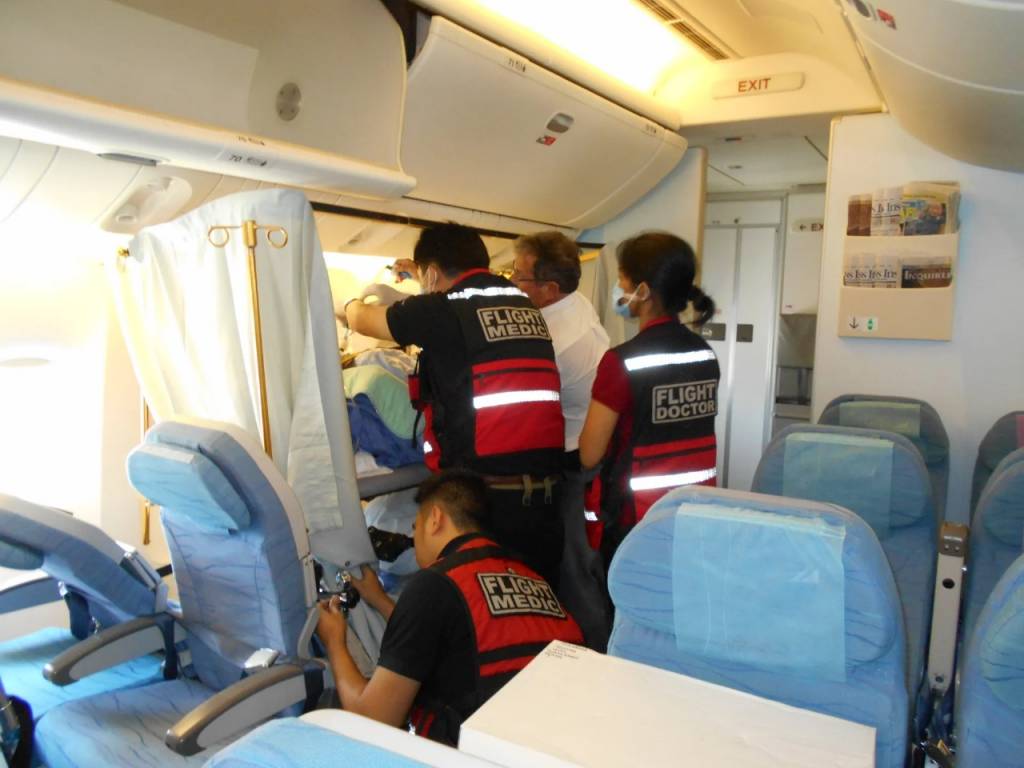
For medically stable patients travelling overseas for treatment, returning home or visiting family, an international medical escort may provide practical assistance during a commercial flight.
This guide explains seven important ways patients with severe thyroid disorders can prepare for international air travel.
Understanding Thyroid Disorders and Their Impact on Travel
Thyroid disorders generally include hypothyroidism, where the thyroid produces insufficient hormones, and hyperthyroidism, where it produces excessive hormones.
Symptoms vary depending on the condition and its severity.
Patients with hypothyroidism may experience:
Persistent tiredness and weakness.
Sensitivity to cold temperatures.
Muscle aches and stiffness.
Difficulty concentrating.
Constipation.
Reduced physical stamina.
Patients with hyperthyroidism may experience:
Rapid or irregular heartbeat.
Heat intolerance and excessive sweating.
Trembling or nervousness.
Difficulty sleeping.
Muscle weakness.
Increased anxiety.
These symptoms may make long-distance travel more challenging. Patients with poorly controlled thyroid disorders may also have complications affecting the heart, circulation or general health.
The patient’s current medical condition should be assessed before any international journey is arranged.
Why Medical Escort Support May Be Beneficial
Many people with well-controlled thyroid disorders can travel independently. However, patients experiencing significant weakness, mobility difficulties or other medical concerns may benefit from additional travel assistance.
Depending on the patient’s needs, escort qualifications and agreed service, a medical escort may assist with:
Airport navigation and boarding.
Coordination of prescribed medication arrangements.
Mobility assistance during airport transfers.
Communication of relevant medical information.
Monitoring for changes in the patient’s general condition within the escort’s professional scope.
Coordination with family members.
Supporting the patient’s comfort throughout the journey.
A medical escort does not replace an endocrinologist or provide specialist hospital treatment. Patients requiring continuous cardiac monitoring, emergency intervention or hospital-level care may need specialist medical transport instead.
7 Essential Tips for Travelling Internationally with Thyroid Disorders
1. Obtain Medical Clearance Before Booking
Before arranging an international flight, consult the treating endocrinologist or physician.
The assessment should consider:
Whether thyroid hormone levels are adequately controlled.
Current symptoms and recent changes.
Heart rate and blood pressure concerns.
Existing heart-related complications.
Current medication and treatment requirements.
The patient’s ability to manage a long journey.
Patients experiencing severe palpitations, chest pain, fainting, significant breathlessness or confusion require prompt medical assessment.
The treating clinician should determine whether the patient is medically stable and fit for the proposed journey.
2. Maintain a Consistent Medication Routine
Thyroid treatment often requires regular medication. Missing doses or changing medication schedules without medical advice may affect symptom control.
Before travelling:
Carry all prescribed thyroid medication.
Keep essential medication in hand luggage.
Retain medicines in their original packaging.
Carry an updated prescription.
Prepare a written medication schedule.
Confirm whether any medication requires special storage.
Patients taking levothyroxine should follow their prescribed instructions regarding timing and food. Those taking antithyroid medication should continue their treatment as directed by their clinician.
Do not adjust doses to accommodate time-zone changes without professional advice.
3. Prepare for Time-Zone Differences
International journeys may involve crossing several time zones, which can make regular medication schedules more difficult to follow.
Patients should discuss their travel itinerary with their treating clinician before departure.
A practical plan may include:
Recording the usual medication times.
Identifying the time difference between departure and destination.
Preparing reminders on a phone.
Keeping medication accessible.
Following clinician-provided instructions for adjusting schedules.
Patients taking multiple medications should carry a complete medication list to avoid confusion during transfers or connecting flights.
4. Monitor Heart-Related Symptoms
Thyroid hormone levels can influence heart rate and rhythm. This is particularly important for patients with uncontrolled hyperthyroidism or existing cardiovascular complications.
Before travel, patients should discuss any history of:
Persistent rapid heartbeat.
Irregular heart rhythm.
Palpitations.
Chest discomfort.
Dizziness or fainting.
Previous thyroid-related cardiac complications.
During the journey, new or worsening chest pain, severe breathlessness, fainting or significant palpitations should not be dismissed as ordinary travel discomfort.
Seek urgent medical assistance if these symptoms occur. Patients with unstable cardiac symptoms should not proceed with commercial travel until medically assessed.
5. Plan for Temperature and Comfort Changes
Thyroid disorders can affect how the body responds to temperature.
Some patients with hypothyroidism feel unusually cold, while people with hyperthyroidism may experience heat intolerance and excessive sweating.
For a more comfortable journey:
Wear comfortable layered clothing.
Carry a light jacket or shawl.
Choose breathable fabrics.
Keep drinking water when appropriate.
Avoid unnecessary physical exertion.
Inform the escort or cabin crew if temperature-related discomfort becomes significant.
Patients should also discuss any fluid restrictions or other medical instructions with their healthcare team.
6. Organise Medical Records and Emergency Information
Keeping medical information accessible can help reduce confusion during international travel.
Families should prepare a medical folder containing:
Thyroid diagnosis and medical history.
Recent relevant thyroid test results.
Current prescriptions.
Medication doses and schedules.
Known drug allergies.
Details of other medical conditions.
Treating physician’s contact information.
Emergency contact details.
Patients travelling with additional conditions, such as diabetes or heart disease, should include relevant information about those conditions as well.
A brief medical summary can be particularly useful when communicating with healthcare professionals at the destination.
7. Arrange Airport and Arrival Assistance
Long airport procedures can be tiring for patients who experience fatigue, muscle weakness or other thyroid-related symptoms.
Families may consider arranging:
Wheelchair assistance when required.
Help with check-in and boarding.
Support with luggage.
Additional time for connecting flights.
Assistance during airport transfers.
Suitable ground transportation after arrival.
A medical escort may help coordinate agreed arrangements and provide practical support throughout the journey.
Managing Comfort During a Long International Flight
Long-distance flights can disrupt normal routines. Patients with thyroid disorders should prepare for medication timing, rest and comfort before boarding.
Useful arrangements may include:
Keeping prescribed medication within easy reach.
Following the agreed medication schedule.
Wearing comfortable clothing.
Staying hydrated, subject to medical advice.
Moving or changing position when medically appropriate.
Avoiding excessive exertion.
Informing the escort about new or worsening symptoms.
Patients with significant weakness or cardiovascular complications should discuss suitable seating and mobility arrangements with their healthcare team before departure.
What Families Should Consider Before Booking a Medical Escort
Every patient’s thyroid condition and support requirements are different. Families should clarify the following before making arrangements.
Is the thyroid condition controlled?
Discuss recent test results, symptoms and treatment stability with the endocrinologist.
Does the patient have heart-related complications?
Patients with abnormal heart rhythms or significant cardiac symptoms may require additional assessment.
Does the patient need help managing medication?
Clarify medication schedules and confirm what assistance the escort can provide.
Can the patient manage a long flight?
Consider fatigue, mobility, comfort and the ability to sit for extended periods.
Are there other medical conditions?
Additional conditions may change the level of support required.
Is commercial air travel appropriate?
The treating clinician should determine whether the patient can safely undertake the proposed journey.
When Should International Travel Be Postponed?
Commercial air travel should be postponed when a thyroid disorder is uncontrolled or the patient’s condition is medically unstable.
Medical assessment is particularly important if the patient experiences:
Severe or persistent palpitations.
Chest pain or significant breathlessness.
Fainting or severe dizziness.
High fever with a rapid heartbeat and agitation.
Confusion or altered consciousness.
Severe weakness or sudden deterioration.
A rare but serious complication of uncontrolled hyperthyroidism is thyroid storm. It can involve high fever, marked tachycardia, agitation, vomiting and confusion, and requires emergency medical treatment.
Severe untreated hypothyroidism can also cause life-threatening complications, including myxoedema coma.
Patients experiencing serious symptoms require urgent medical assessment rather than proceeding with an international flight.
Those requiring continuous clinical intervention or hospital-level monitoring may need specialist medical transport instead of a commercial flight with an escort.
How MedEscort International Can Help
MedEscort International supports patients and families arranging international medical travel.
For patients living with thyroid disorders, preparation may involve coordinating medication arrangements, airport assistance, mobility support and communication with family members.
Depending on the patient’s medical condition and the agreed service, support may include:
Pre-travel coordination.
Assistance with airport procedures.
Support during boarding and transfers.
Coordination of agreed medication arrangements.
Mobility assistance when required.
Communication of relevant medical information.
Updates to family members during the journey.
Each journey requires individual assessment. Medical stability, the treating clinician’s recommendations, escort qualifications, airline approval and route arrangements should all be considered before travel.
Contact MedEscort International
If your family is arranging international travel for someone living with a thyroid disorder, contact MedEscort International to discuss the patient’s requirements.
Phone: +91 9774900430
Email: alan@medescortinternational.com
Website: medescortinternational.com
Frequently Asked Questions
1. Can patients with thyroid disorders travel internationally by plane?
Many patients with well-controlled thyroid disorders can travel by commercial aircraft. Suitability depends on symptom control, overall health, associated complications and the treating clinician’s assessment.
2. Can long-distance travel affect thyroid medication routines?
Crossing time zones can make medication schedules more difficult to follow. Patients should prepare a medication plan with their treating clinician before departure.
3. Should thyroid medication be carried in hand luggage?
Keeping essential prescribed medication in hand luggage is generally practical in case checked baggage is delayed or lost. Patients should also carry prescriptions and check airline and destination-country requirements.
4. Can a medical escort help patients with thyroid disorders?
A medical escort may provide agreed travel assistance, including airport support, mobility assistance and coordination of medication arrangements. The service depends on the escort’s qualifications and the patient’s individual requirements.
5. Are patients with hyperthyroidism at risk during long flights?
Patients with uncontrolled hyperthyroidism may experience complications such as rapid heartbeat or abnormal heart rhythms. Medical assessment is important before travel, particularly when cardiovascular symptoms are present.
6. Can patients with hypothyroidism travel after starting treatment?
Starting treatment does not automatically mean a patient is ready for international travel. The treating clinician should assess symptoms, treatment response and overall medical stability.
7. Is an air ambulance necessary for patients with thyroid disorders?
Not necessarily. Many medically stable patients can travel on commercial flights. Those requiring continuous monitoring, emergency intervention or hospital-level care may need specialist medical transport.
Final Thoughts
International air travel with a thyroid disorder can be manageable when the condition is appropriately assessed and treatment routines are carefully planned.
Medical clearance, consistent medication management, preparation for time-zone differences and awareness of warning signs are important steps before departure.
For patients who need additional assistance, an international medical escort may provide practical support during airport procedures and the flight, within the agreed professional scope.
The priority should always be the patient’s medical stability, safety and comfort throughout the journey.
Medical Disclaimer: This article is intended for general informational purposes only and does not replace professional medical advice, diagnosis or treatment. Patients with thyroid disorders should consult their treating endocrinologist or physician before arranging international travel. Fitness to fly and the appropriate level of medical support must be assessed individually.