


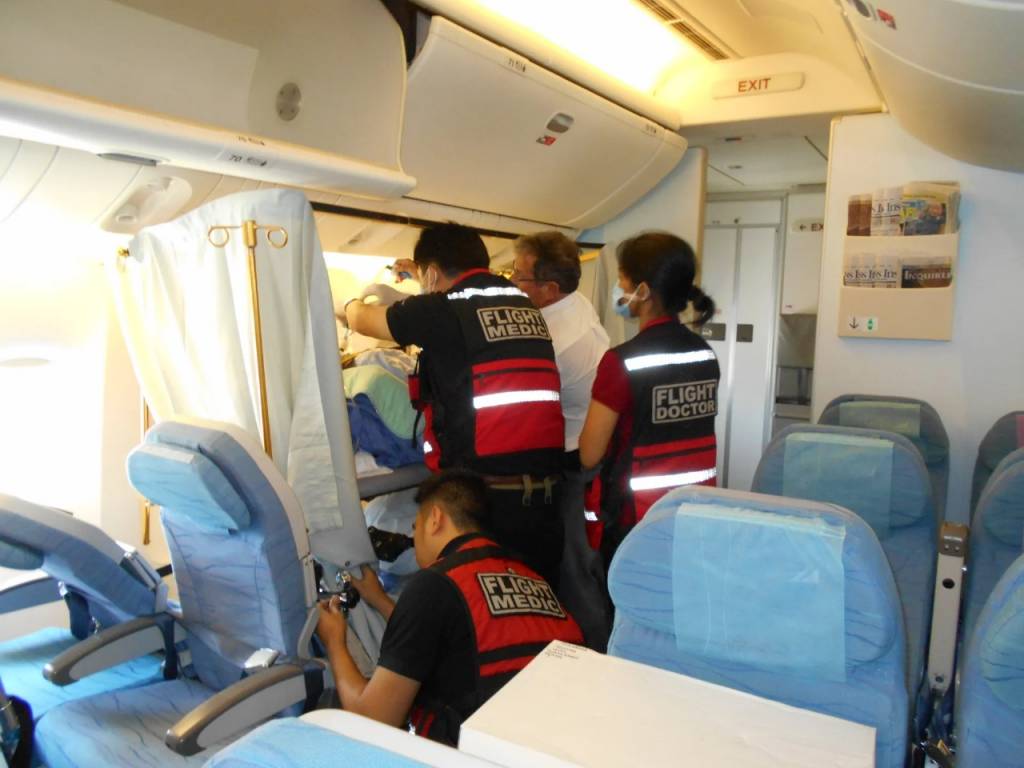
International air travel for patients with kidney conditions requires careful preparation. Chronic kidney disease, fluid restrictions, dialysis schedules, medication routines and fatigue can create additional challenges when travelling across countries and time zones.
For medically stable patients who need assistance during their journey, a medical escort for kidney patients may provide additional support during commercial air travel. However, the patient’s condition, treatment requirements and travel suitability should be reviewed by their treating nephrologist before arrangements are made.
1. Can Kidney Patients Travel Internationally by Air?
Many patients with kidney conditions may be able to travel by air, depending on their health, treatment plan and stability. However, kidney disease affects people differently, and travel preparation should be based on individual medical needs.
The treating medical team may consider:
- Stage and severity of kidney disease.
- Recent kidney-related complications.
- Blood pressure and overall medical stability.
- Fluid balance and swelling.
- Current medications and dietary restrictions.
- Whether the patient receives dialysis.
- Ability to tolerate prolonged travel.
Patients with recent complications, significant symptoms or unstable conditions may require additional assessment before flying.
2. Why Is Medical Planning Important for Kidney Patients?
Travelling internationally can disrupt established treatment routines. Long airport waits, changes in meal timing, limited access to prescribed medications and differences in local healthcare services may require advance planning.
Important considerations include:
- Fluid management: Some patients may have specific fluid intake restrictions or requirements.
- Medication schedule: Prescribed medicines may need to be managed across different time zones.
- Diet: Dietary restrictions may affect meal planning during the journey.
- Fatigue: Kidney conditions and associated treatments may contribute to tiredness.
- Mobility: Patients may require wheelchair assistance or help navigating airports.
- Medical access: Healthcare facilities and treatment services at the destination may need to be identified.
Patients should follow their treating clinician’s recommendations rather than relying on general travel advice.
3. What Should Dialysis Patients Consider Before Flying?
Patients receiving dialysis require particularly careful travel coordination. Their treatment schedule, clinical condition and access to dialysis at the destination must be considered before departure.
Before planning travel, patients and families should discuss:
- Whether the patient is medically suitable for travel.
- Dialysis timing before departure.
- Availability of dialysis services at the destination.
- Whether treatment appointments need to be booked in advance.
- Transfer arrangements to and from the dialysis centre.
- Medical records and treatment details required by the receiving facility.
- What to do if travel delays affect the treatment schedule.
Patients should never postpone or change dialysis sessions without instructions from their healthcare team. Travel plans should be built around the treatment schedule whenever possible.
4. How Can a Medical Escort Help a Kidney Patient?
A medical escort may accompany a medically suitable patient on a commercial flight and provide agreed assistance during the journey. The type of support depends on the patient’s condition, the escort’s qualifications and the service arrangements.
Assistance may include:
- Helping the patient navigate airport procedures.
- Coordinating wheelchair assistance and mobility arrangements.
- Supporting the patient during boarding and disembarkation.
- Helping maintain an agreed medication routine.
- Observing the patient’s general condition within the escort’s professional scope.
- Communicating with airline staff when assistance is required.
- Coordinating arrival arrangements with family members or receiving caregivers.
A medical escort can provide travel support, but does not replace the patient’s nephrologist or dialysis team. Commercial flights are not equipped to provide routine dialysis or hospital-level care.
5. What Medications and Documents Should Kidney Patients Carry?
Keeping essential medication and medical documents accessible can help make international travel more organised. Patients should carry important medical items in their hand luggage whenever possible.
| Item | Purpose |
|---|---|
| Medical summary | Explains the patient’s kidney condition and overall health. |
| Dialysis treatment details | Provides relevant information about the patient’s treatment, if applicable. |
| Medication list | Identifies current medicines, doses and instructions. |
| Prescriptions | May help with medication verification during travel. |
| Recent laboratory reports | May provide important clinical information for healthcare providers. |
| Discharge summary | Provides details of recent hospitalisation or treatment. |
| Emergency contacts | Helps families and healthcare providers coordinate assistance. |
Patients should not change prescribed medications or fluid intake to accommodate travel unless advised by their healthcare team.
6. How Should Kidney Patients Prepare for a Long Flight?
Long flights may involve prolonged sitting, limited movement, disrupted sleep and changes in meal schedules. Patients with kidney conditions may have additional requirements that need to be planned individually.
Before departure, consider:
- Choosing a route with fewer connections when practical.
- Arranging wheelchair assistance if walking is difficult.
- Keeping prescribed medicines easily accessible.
- Discussing suitable meals and dietary restrictions in advance.
- Following the prescribed fluid intake plan.
- Planning comfortable seating and mobility support.
- Confirming the destination transfer before departure.
- Keeping medical documents available throughout the journey.
Movement during a flight, fluid intake and other precautions should be discussed with the treating clinician, especially for patients with fluid restrictions or increased risk of travel-related complications.
7. When Is an Air Ambulance More Appropriate?
Some kidney patients may be able to travel on commercial flights with appropriate support, while others may require a specialised medical transport arrangement because of their condition or level of care needed.
An air ambulance may be considered if the patient requires:
- Continuous medical monitoring beyond what can reasonably be arranged on a commercial flight.
- Advanced medical support during transport.
- Specialised care for an unstable condition.
- Medical transport that cannot be accommodated by a scheduled airline.
The treating medical team should determine the appropriate transport option. A medical escort on a commercial flight is not the same as an air ambulance, and the two services provide different levels of care.
Kidney Patient International Travel Checklist
Before booking or confirming travel, review the following checklist with the patient’s healthcare team:
- Medical assessment and fitness to fly reviewed.
- Kidney condition confirmed to be sufficiently stable for travel.
- Dialysis schedule reviewed, if applicable.
- Destination dialysis arrangements confirmed, if needed.
- Medication supply and schedule prepared.
- Medical reports and prescriptions organised.
- Dietary and fluid restrictions reviewed.
- Airline medical requirements checked.
- Wheelchair and airport assistance requested if required.
- Medical escort arranged, if necessary.
- Destination transportation confirmed.
- Receiving family member or healthcare provider informed.
Frequently Asked Questions
Can a kidney patient travel on an international flight?
Many kidney patients may travel internationally if their condition is stable and their healthcare team considers flying appropriate. Travel planning should account for medication, fluid management, dialysis and other individual requirements.
Can dialysis patients travel abroad?
Some dialysis patients can travel abroad, but treatment arrangements must be planned in advance. The patient should coordinate with their dialysis team and confirm treatment availability at the destination before booking travel.
Can a medical escort accompany a dialysis patient?
A medical escort may accompany a medically suitable dialysis patient on a commercial flight and provide agreed travel support. The patient’s treatment schedule and medical requirements must be considered when planning the journey.
Can kidney patients drink more water during flights?
Fluid intake depends on the patient’s condition and treatment plan. Some kidney patients have fluid restrictions, so they should follow their nephrologist’s instructions rather than general flight hydration advice.
What happens if a dialysis appointment is missed because of a flight delay?
Patients should have a plan developed with their dialysis team for possible travel disruptions. If a delay threatens a scheduled treatment, they should contact their healthcare provider or dialysis centre as soon as possible for guidance.
Is a medical escort the same as an air ambulance?
No. A medical escort accompanies a suitable patient on a commercial flight and provides agreed assistance. An air ambulance is a specialised medical transport option for patients requiring a higher level of medical support.
Plan International Medical Escort Travel With MedEscort International
International travel for kidney patients requires thoughtful coordination of medical clearance, treatment schedules, medication, mobility assistance and destination arrangements. Planning ahead can help families identify potential challenges before the journey begins.
MedEscort International can help families discuss international medical escort arrangements for patients who need assistance travelling on commercial flights. Every journey should be reviewed individually based on the patient’s medical condition, treatment requirements, destination and level of support needed.
Learn more at MedEscort International.
Contact MedEscort International:
Phone: +91 9774900430
Email: alan@medescortinternational.com
Planning international travel for a kidney patient? Contact MedEscort International to discuss medical escort assistance and travel coordination.