


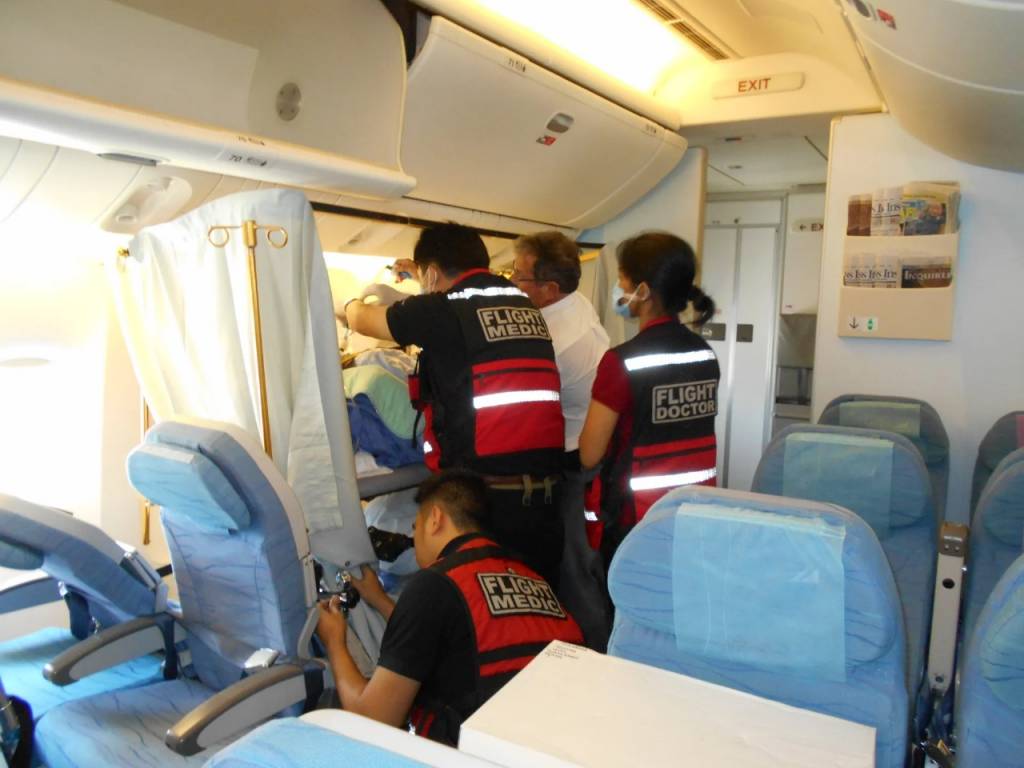
International air travel can be challenging for patients living with respiratory conditions. Long flight durations, reduced cabin oxygen levels, airport walking, fatigue and changes in routine may create additional difficulties for individuals with breathing problems.
Patients with conditions such as chronic obstructive pulmonary disease (COPD), chronic respiratory disease or other lung disorders may need additional preparation before travelling. For medically stable patients who require assistance, a medical escort for respiratory patients may help coordinate and support the journey on a commercial flight.
However, the ability to travel depends on the patient’s individual condition. Medical assessment, airline approval and appropriate travel arrangements are essential before departure.
1. Can Patients With Respiratory Conditions Fly Internationally?
Many people with respiratory conditions can travel by air, but some may experience breathing difficulties because cabin air pressure and oxygen availability differ from conditions at ground level.
Before approving travel, the treating doctor may assess:
- Current breathing symptoms and respiratory stability.
- Oxygen saturation levels and oxygen requirements.
- Recent respiratory infections or exacerbations.
- History of hospitalisation for breathing problems.
- Ability to tolerate prolonged sitting and physical activity.
- Need for supplemental oxygen during the flight.
- Medication requirements and emergency planning.
Patients with worsening breathlessness, acute respiratory infections or unstable respiratory conditions may need treatment and reassessment before travelling.
2. Why Can Flying Affect Patients With Lung Conditions?
Commercial aircraft cabins are pressurised, but the cabin environment generally contains less available oxygen than people experience at sea level. For most healthy passengers this is manageable, but patients with certain lung conditions may experience a reduction in oxygen levels that could affect their symptoms.
Travel-related challenges may include:
- Breathlessness: Some patients may experience increased difficulty breathing.
- Reduced oxygen levels: Existing oxygen requirements may change during flight.
- Fatigue: Long airport procedures and flight durations may increase tiredness.
- Mobility difficulties: Walking through large airports can place additional demands on patients.
- Medication access: Inhalers and other prescribed medications must remain readily accessible.
- Travel anxiety: Unfamiliar environments and concerns about breathing may increase stress.
The risks vary according to the diagnosis, severity of the condition and individual medical circumstances.
3. Which Respiratory Conditions Need Additional Flight Planning?
Patients with different respiratory conditions may have different travel requirements. A medical evaluation can help determine what precautions or assistance may be appropriate.
| Respiratory Condition | Travel Considerations |
|---|---|
| COPD | Breathing stability, oxygen requirements, fatigue and mobility. |
| Asthma | Symptom control, inhaler access and recent exacerbations. |
| Pulmonary fibrosis | Oxygen levels, breathing capacity and tolerance of cabin conditions. |
| Chronic respiratory failure | Specialised assessment of oxygen and respiratory support needs. |
| Recent respiratory infection | Recovery, ongoing symptoms and potential complications. |
Patients should not assume that having a respiratory diagnosis automatically prevents flying. Equally, feeling comfortable at ground level does not necessarily establish fitness for a long-haul flight.
4. Does a Respiratory Patient Need Oxygen During a Flight?
Some patients may require supplemental oxygen while flying, while others may not. The decision should be based on a medical assessment rather than the patient’s usual oxygen use alone.
Before travel, patients and families should:
- Discuss in-flight oxygen requirements with the treating doctor.
- Complete any recommended respiratory assessments.
- Check the airline’s oxygen and medical equipment policies.
- Confirm whether an approved portable oxygen concentrator is permitted.
- Check battery requirements and documentation.
- Arrange airline approval well in advance.
Airlines have specific requirements regarding oxygen equipment. Passengers should not assume that personal oxygen cylinders or medical devices can be carried or used without prior approval.
5. How Can a Medical Escort Assist a Respiratory Patient?
A medical escort may accompany a medically suitable respiratory patient on a commercial flight and provide agreed assistance during the journey. Support depends on the patient’s medical needs and the escort’s qualifications.
Assistance may include:
- Helping with airport navigation and mobility arrangements.
- Supporting the patient during boarding and disembarkation.
- Helping maintain an agreed medication routine.
- Coordinating approved oxygen arrangements where applicable.
- Observing the patient’s general condition within the escort’s professional scope.
- Communicating with cabin crew if assistance is needed.
- Coordinating arrival and ground transportation arrangements.
The level of care should be clearly agreed upon before departure. A medical escort on a commercial aircraft does not provide hospital-level respiratory care or guarantee the availability of advanced respiratory interventions.
6. What Medications Should Respiratory Patients Carry?
Patients should prepare their medications carefully to ensure they remain accessible throughout airport procedures, flight time, layovers and arrival.
Depending on their prescriptions, patients may need to carry:
- Prescribed inhalers.
- Regular respiratory medications.
- Medication prescriptions or supporting documentation.
- A medical summary describing the respiratory condition.
- Instructions for using prescribed respiratory equipment.
- Emergency contact information.
Essential medications should generally be kept in hand luggage. Patients should follow their prescribed treatment routine and consult their doctor before making any medication changes for travel.
7. How Should Respiratory Patients Prepare for Long-Haul Flights?
Long-haul travel can involve extended periods of sitting, airport walking, disrupted sleep and fatigue. Careful preparation may help patients manage the journey more comfortably.
- Obtain medical clearance before booking or finalising travel.
- Choose direct flights or routes with fewer connections when practical.
- Request wheelchair assistance if walking causes breathlessness.
- Keep inhalers and prescribed medication easily accessible.
- Confirm oxygen and medical equipment arrangements with the airline.
- Allow sufficient time for check-in and boarding.
- Plan suitable rest periods during airport transfers.
- Arrange transportation at the destination in advance.
Patients should follow their clinician’s advice regarding movement, oxygen use, hydration and other precautions. Travel recommendations should be individualised, particularly for people with severe lung disease.
8. When Is an Air Ambulance More Appropriate?
A medical escort on a commercial flight may be suitable for some stable respiratory patients who need assistance during travel. However, patients who require a higher level of medical support may need specialised transport.
An air ambulance may be considered when a patient requires:
- Advanced respiratory support during transport.
- Continuous monitoring beyond what can be arranged on a commercial flight.
- Specialised medical equipment.
- Intensive medical care during the journey.
- Transport that cannot be accommodated by a scheduled airline.
The treating physician and transport medical team should determine the appropriate option based on the patient’s condition and medical requirements.
Respiratory Patient Pre-Flight Checklist
- Medical assessment and fitness to fly completed.
- Respiratory condition reviewed and stabilised.
- Oxygen requirements assessed, if applicable.
- Airline medical approval obtained where required.
- Portable oxygen equipment approved, if needed.
- Medications and inhalers packed in hand luggage.
- Medical summary and prescriptions prepared.
- Wheelchair or airport assistance arranged.
- Medical escort confirmed, if required.
- Destination transportation organised.
Frequently Asked Questions
Can a patient with COPD travel by plane?
Some patients with COPD can travel by commercial aircraft, but fitness to fly depends on symptom control, oxygen requirements, disease severity and medical assessment. Patients should consult their respiratory specialist before travelling.
Can a patient with asthma travel internationally?
Many people with well-controlled asthma can travel. Patients should carry their prescribed inhalers, follow their treatment plan and seek medical advice if they have recently experienced worsening symptoms.
Can a respiratory patient fly without oxygen?
Some respiratory patients may not require supplemental oxygen, while others may need it during flight. The decision should be based on an appropriate medical assessment and airline requirements.
Can a medical escort help a patient who gets breathless easily?
A medical escort may provide agreed assistance, mobility support and travel coordination for a medically suitable patient. The level of support depends on the patient’s condition and the escort’s professional qualifications.
Can patients carry inhalers on international flights?
Passengers can generally carry essential medications, but airline security and destination-country rules may apply. Patients should keep their medication accessible and carry supporting prescriptions or medical documents when appropriate.
Is an air ambulance necessary for every patient with a lung condition?
No. Some medically stable patients may be suitable for commercial travel with appropriate arrangements, while others require specialised transport. The decision should be based on the patient’s medical needs and level of care required.
Arrange International Medical Escort Assistance With MedEscort International
Travelling internationally with a respiratory condition requires careful planning of medical clearance, medication, oxygen arrangements, mobility assistance and airline requirements. Understanding these needs before departure can help families make more informed decisions.
MedEscort International can help families discuss medical escort arrangements for patients who need assistance travelling on commercial flights. Each journey should be assessed individually, taking into account the patient’s condition, destination, travel duration and required support.
Learn more about international medical escort services at MedEscort International.
Contact MedEscort International:
Phone: +91 9774900430
Email: alan@medescortinternational.com
Planning international travel for a patient with a respiratory condition? Contact MedEscort International to discuss medical escort assistance and travel coordination.